Environmental Fisher Project
Implemented by: Green Southerners Association
Funded by: the Canada Fund for Local Initiatives (CFLI)
Green Southerners launched the Environmental Fisher Project between January and April 2022, with support from the Canada Fund for Local Initiatives (CFLI). The project sought to integrate fishing communities as direct partners in biodiversity protection and to shift the traditional relationship between fishing practices and ecosystems from a source of pressure to a platform for cooperation. The program is grounded in the principles of responsible fishing, increased awareness of environmental laws and protected species, and the monitoring of ecological challenges across ports and coastal environments, including the protection of migratory birds and marine wildlife. The project views fishermen as key agents in restoring ecological balance due to their daily interaction with the sea and their ability to detect environmental changes in real time.
Context and Scientific Rationale
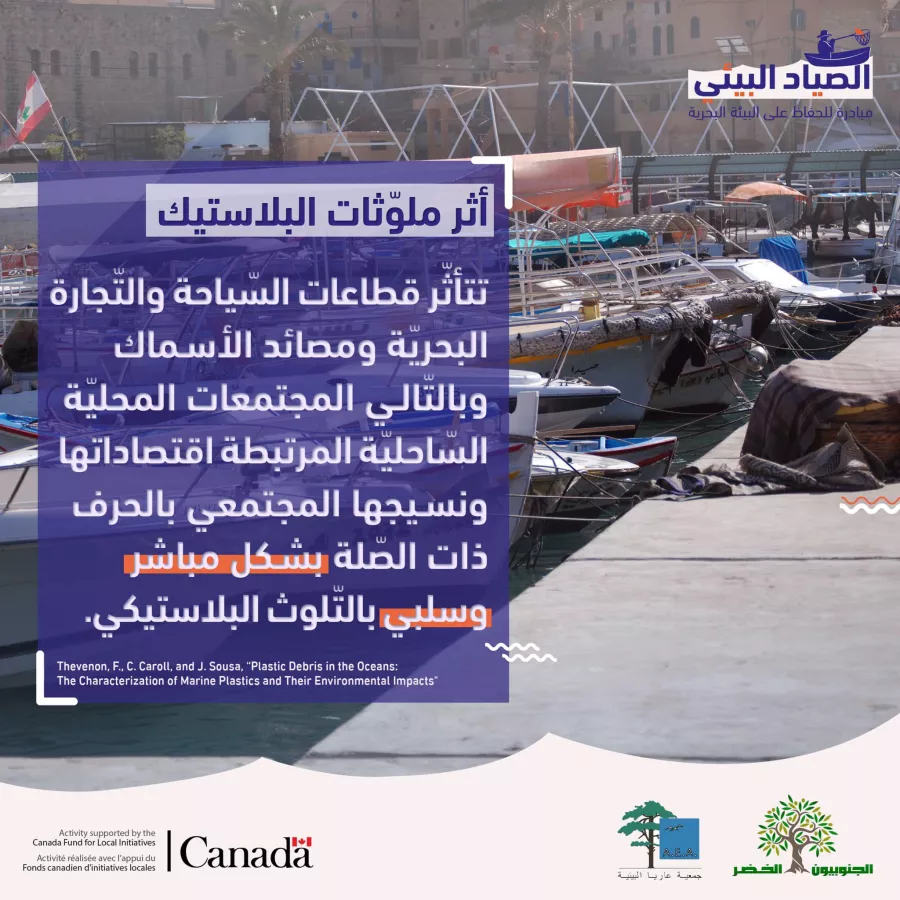
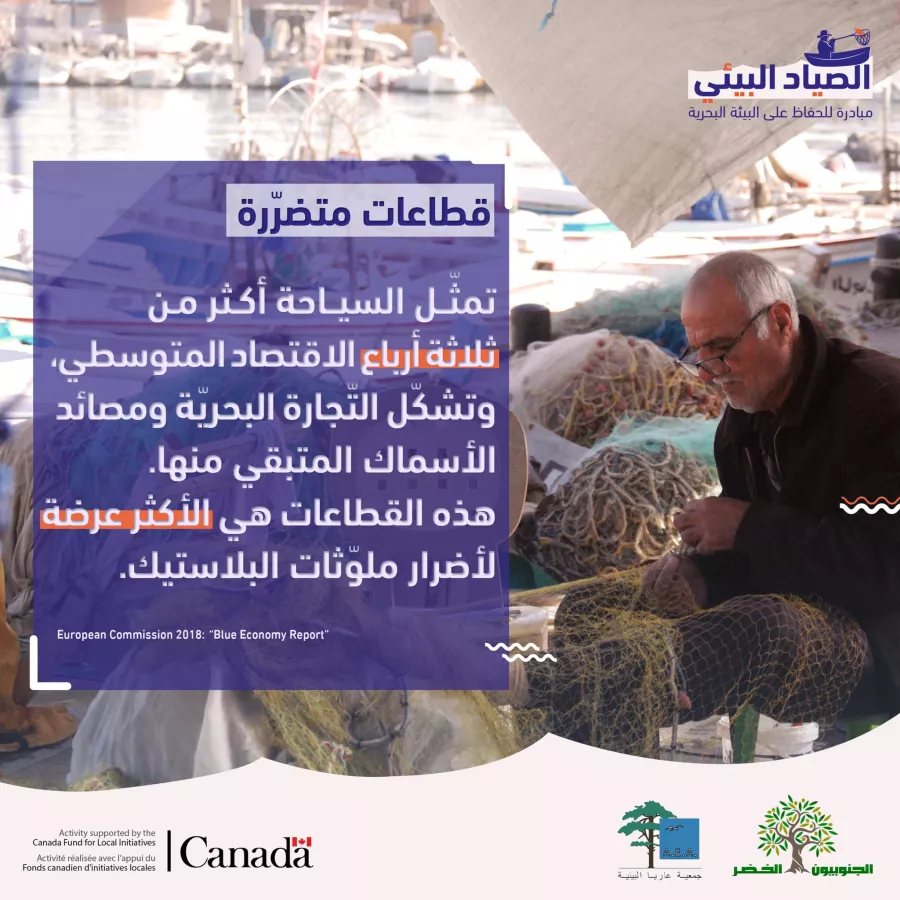
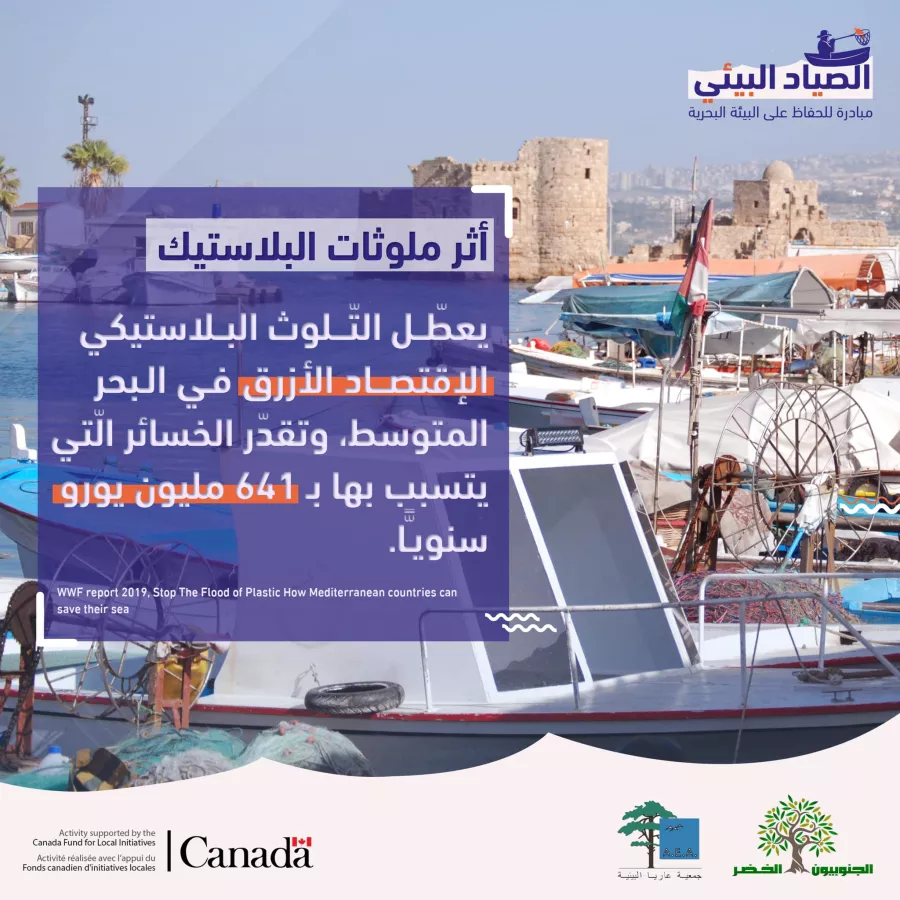
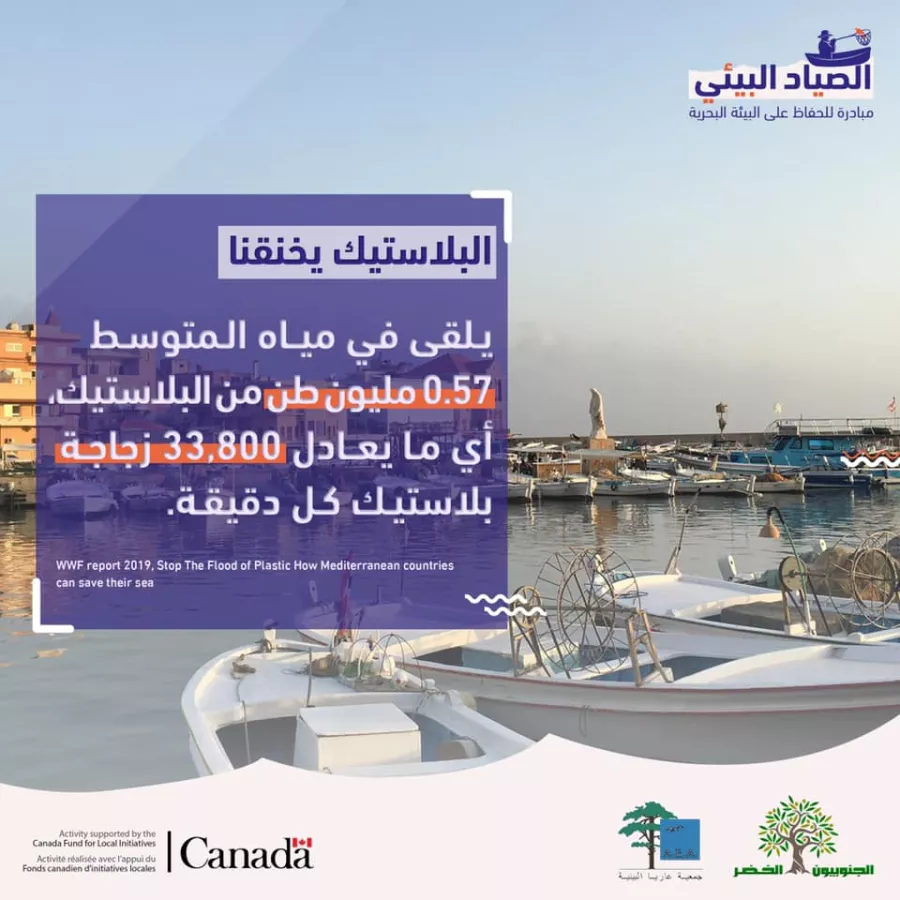
Fishing communities are among the groups most closely linked to marine ecosystems and most affected by their degradation. Field observations conducted by the association show that abandoned fishing nets, plastic waste, and unmanaged port refuse constitute major sources of pollution in southern harbors. Unregulated fishing practices, combined with the absence of effective marine waste management, increase pressures on threatened species including marine turtles, coastal birds, marine mammals, and sharks.
The program adopts a scientific approach that treats fishermen as essential contributors to environmental recovery, especially given their capacity for daily ecological monitoring and their potential role in early detection of harmful activities.
Methodology
The project followed a structured and progressive methodology that included:
- Scientific training workshops addressing plastic pollution, port waste management, protected marine species, migratory birds, and the impact of human behavior on marine productivity
- Field-based awareness activities in the ports of Sidon, Tyre, and Sarafand, including the distribution of educational material and clarification of environmental laws and protected species
- Development of a geographic database through a digital application designed by the association, enabling fishermen to register their information and fishing zones to support the planning of future interventions
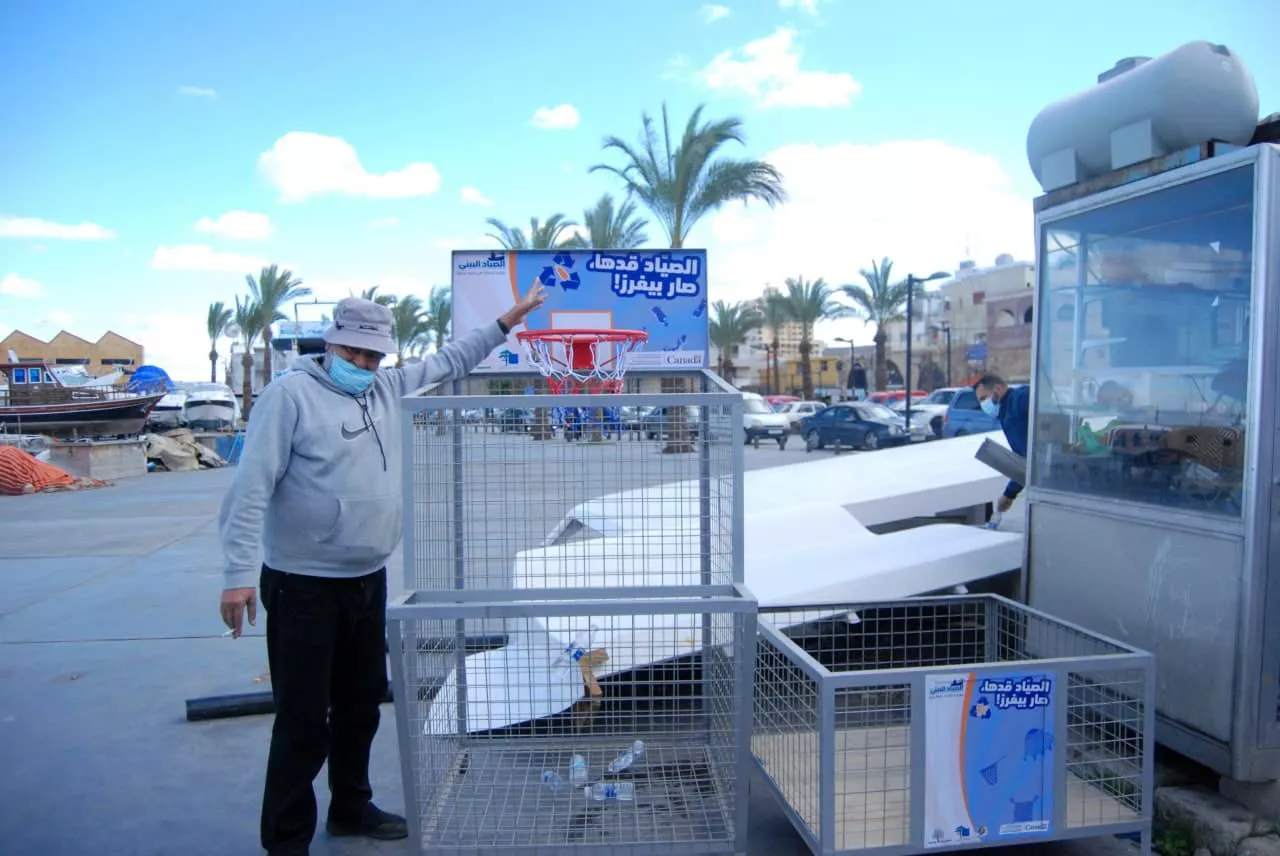
- Fabrication and installation of metal collection bins for abandoned nets and marine waste, in coordination with municipalities
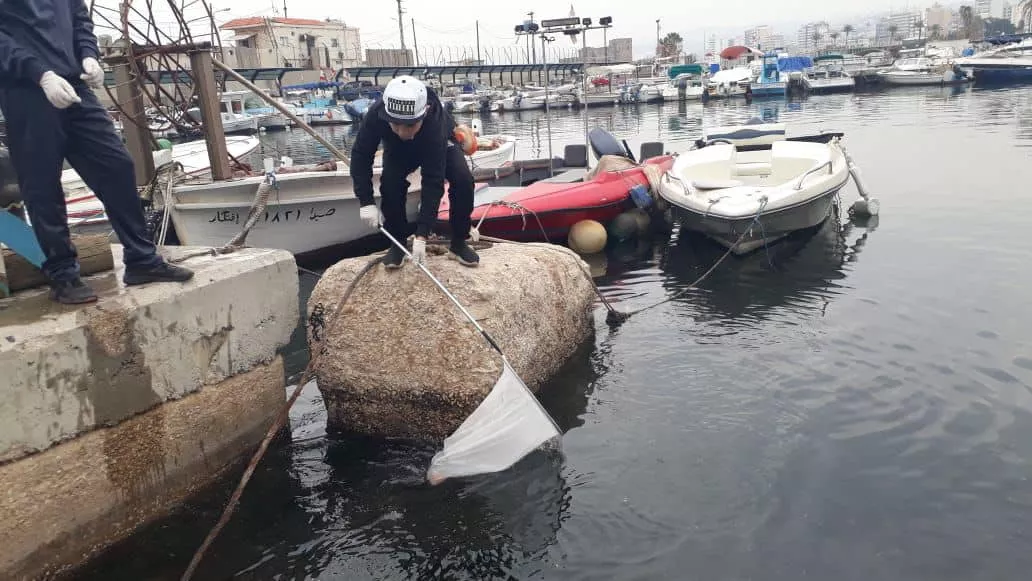
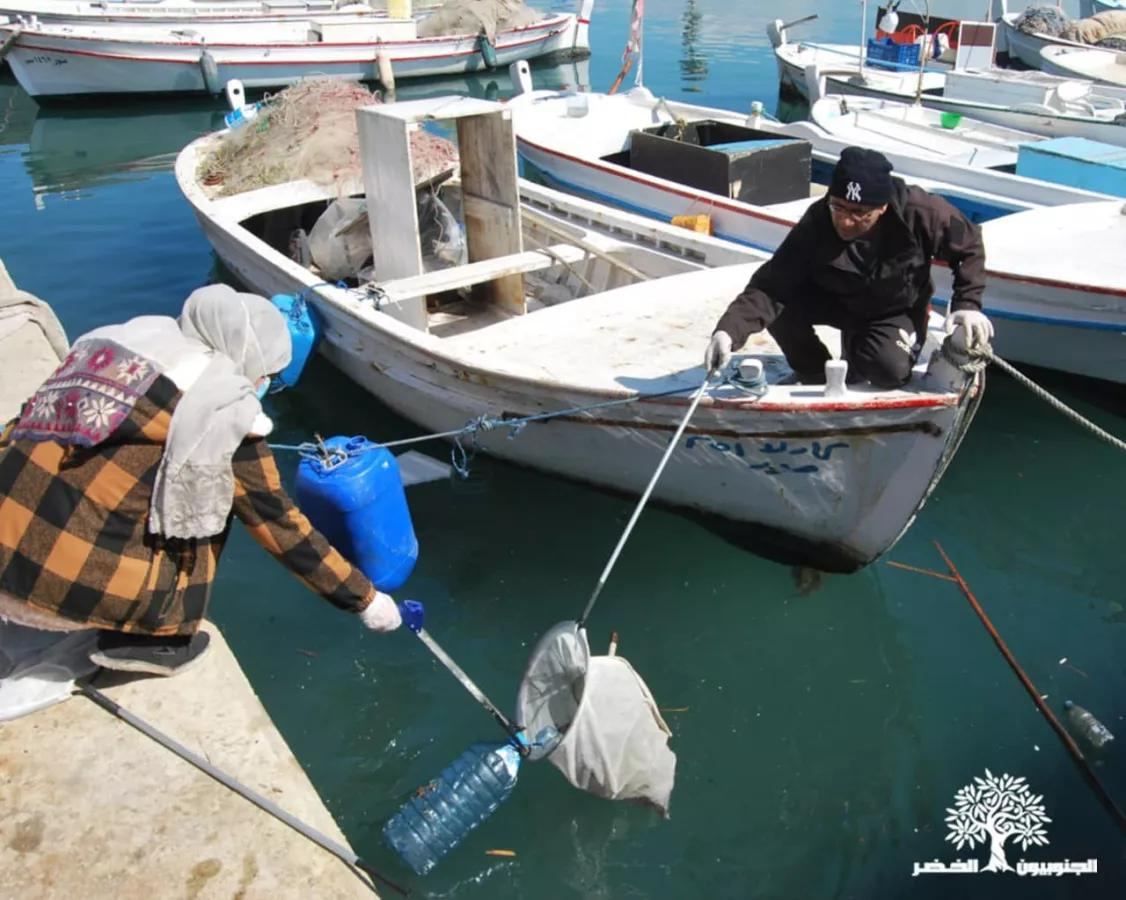
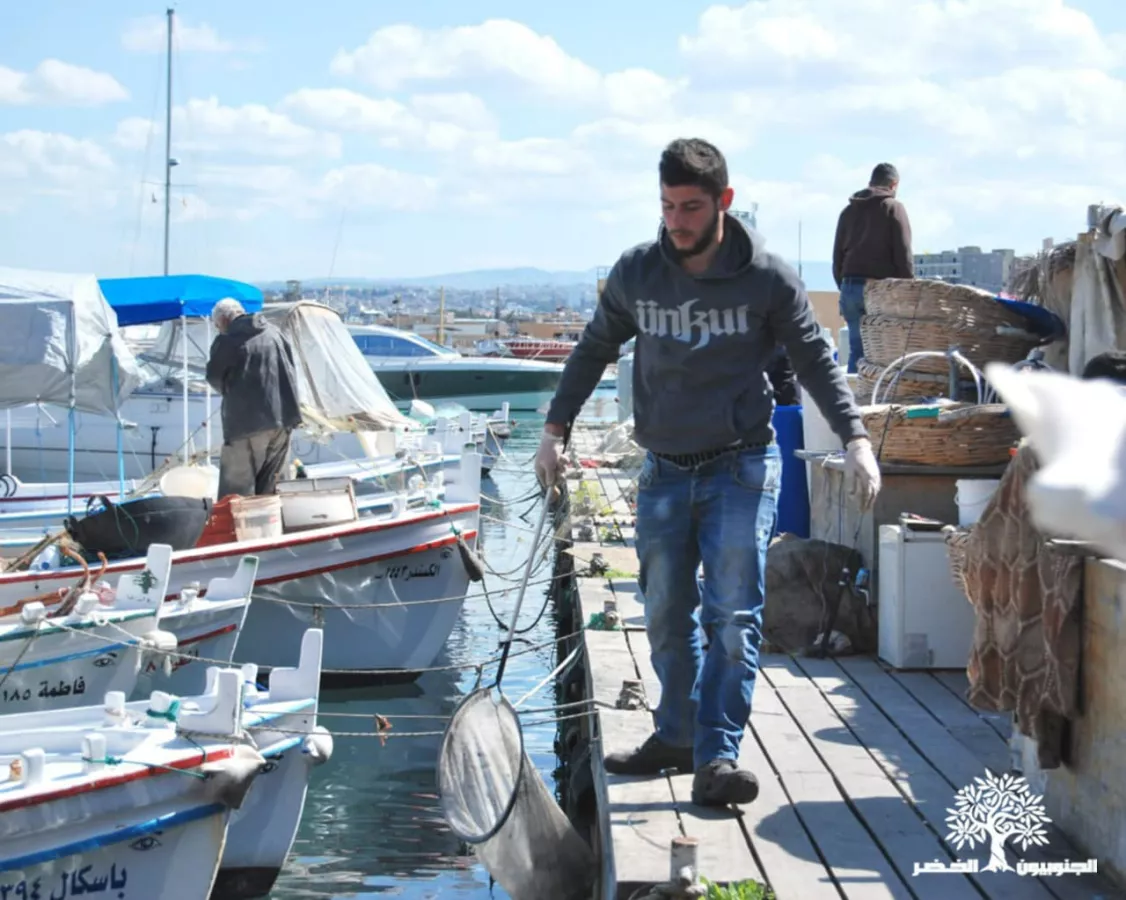
- Distribution of landing nets to fishermen to improve working conditions and reduce reliance on damaged gear that contributes to wildlife mortality and marine pollution
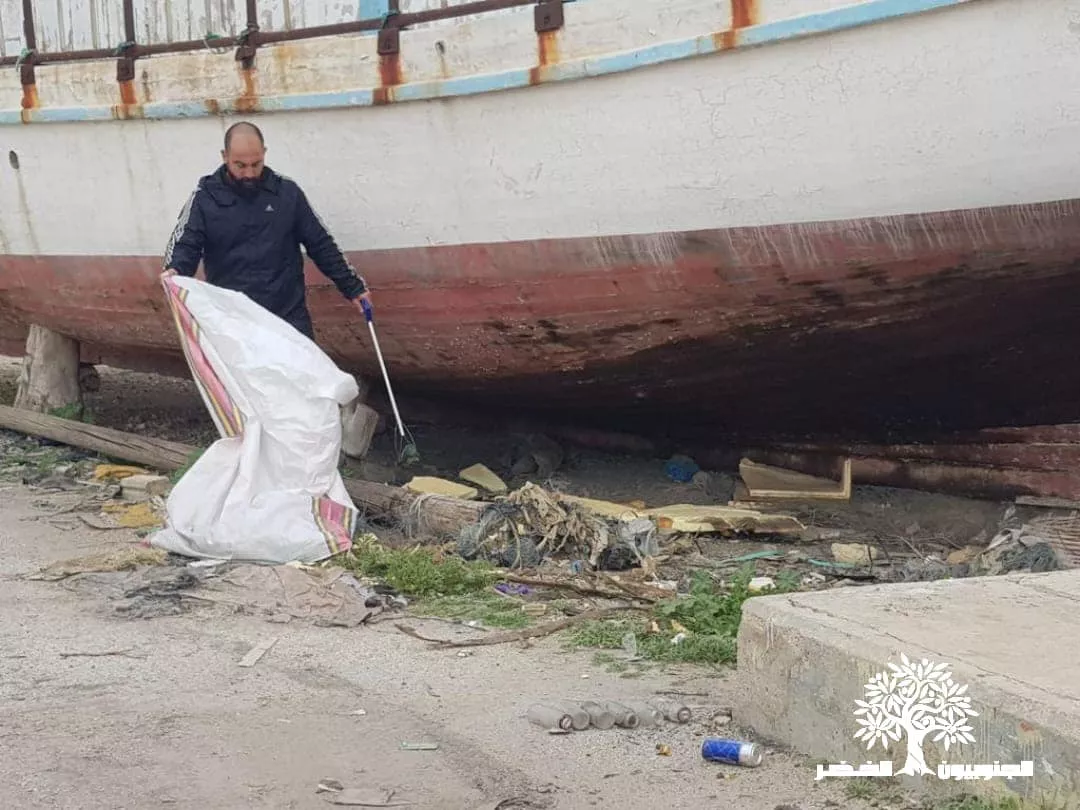
- Organized cleanup campaigns inside ports, resulting in the removal of approximately 2,000 kg of fishing-net remnants and about 400 kg of accumulated plastic waste
- Collection of social and environmental data on fishermen’s working conditions and the structural challenges they face under current economic and climatic pressures
Field Outcomes
A total of 376 fishermen directly benefited from the training workshops, while more than 450 received new landing nets. Fishing unions, municipalities, scouting groups, and local organizations participated actively in field activities.
Follow-up assessments indicated improved compliance among fishermen regarding the separation of fishing-line waste, regular use of the metal collection bins, and increased adherence to avoiding harm to threatened species such as dolphins, monk seals, and sea turtles.
The project also revealed structural issues affecting port operations, including insufficient lighting, inadequate waste management, deterioration of piers, and rising repair costs for boats. These findings expanded the environmental and socioeconomic understanding of fishermen’s working conditions.
Environmental and Social Impact
The program significantly enhanced environmental awareness among fishermen, strengthened their understanding of plastic pollution and protected species, and established a cooperative framework between the community and the association.
It also created an applied model for community-based marine waste management and contributed to improving port conditions through structured cleanup efforts.
Program Conclusion
The Environmental Fisher Project represents a pioneering practical model for coastal environmental management. It demonstrates how communities most closely tied to the marine environment can become active partners in conservation rather than passive recipients of environmental harm.
The project establishes a solid foundation for future national policies on sustainable fishing and provides essential knowledge and community engagement to support the restoration of degraded marine ecosystems in Lebanon. These outcomes were made possible through the crucial support of the Canada Fund for Local Initiatives (CFLI).
Latest Updates
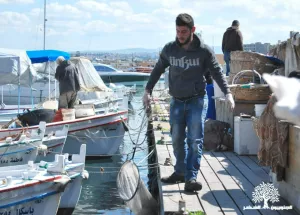
Cleaning Campaign at Tyre Port within the "Eco-Fisherman" Project
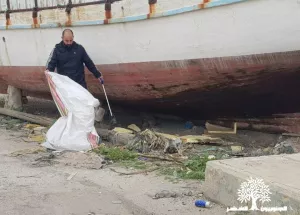
Cleaning Campaign at Sarafand Port
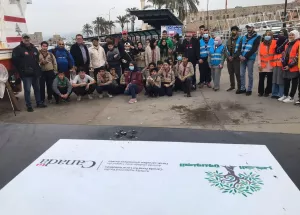
Cleaning Campaign at Tyre Port within the "Eco-Fisherman" Project
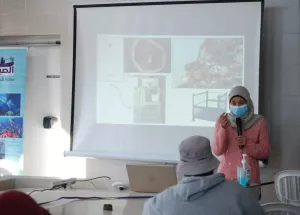
4th and 5th Awareness Workshops for Fishermen on Plastic Pollution in Tyre
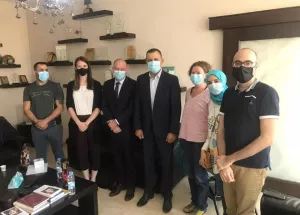
The Opening Ceremony of the "Eco-Fisherman" Project
Related Posts
-
 Projects
 -
 Rescue and Rehabilitation
 -
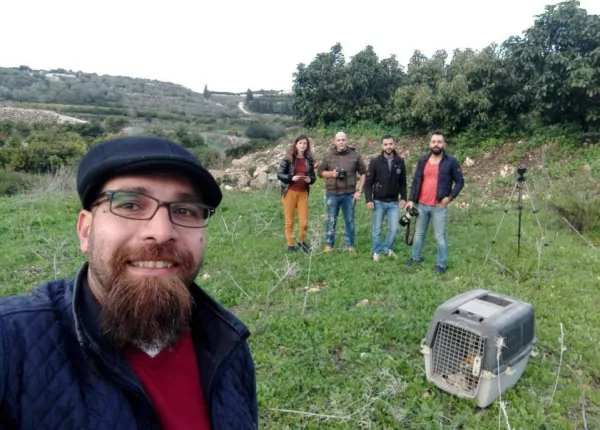 Rescue and Rehabilitation