“Baqbouq Without Plastic” Project
Implemented by: Green Southerners Association
Period: June 2020 – November 2021
Supported by: European Union through the SWIM-H2020 SM Programme
In partnership with: UNDP, the Ministry of Environment, the Lebanese Environmental Movement, and the Lebanese Environment Forum Introduction and Context
The Green Southerners Association launched the “Baqbouq Without Plastic” project on the Abbassieh coast as part of the “Sea Without Plastic” initiative. The project was developed in response to the growing accumulation of plastic waste along the southern shoreline, particularly in the Baqbouq sector, which is one of Lebanon’s most important nesting habitats for endangered marine turtles. The project is grounded in an ecological approach that views coastal protection as a central pillar for safeguarding marine ecosystems and reducing pressures caused by human activity and unregulated development.
Partnership Building and Team Formation
On 18 June 2020, the association formed a specialized project team and distributed responsibilities among project managers, field coordinators, and environmental experts. On 11 July 2020, a Memorandum of Understanding was signed with the Municipality of Abbassieh to regulate cooperation, coordinate fieldwork, and secure the logistical support required for sustained implementation.
Awareness and Capacity Building
A series of scientific workshops was carried out to strengthen environmental knowledge on plastic pollution and its ecological impacts. Sessions included training on microplastics and nanoplastics, coastal pollutant dynamics, and first-aid procedures for injured wildlife. Trainers included experts from environmental organisations and university researchers. Field team members received practical training to improve their ability to identify, document, and respond to environmental risks.
Environmental Monitoring and Turtle Protection
At the onset of the nesting season in May, the association launched a daily monitoring program to document nests, identify their locations, and implement protective measures. These included installing predator-exclusion mesh and maintaining detailed biological records throughout the season. This work forms part of a multi-year database developed by the association, which tracks sea turtle activity along the southern coast and supports long-term conservation planning.
Beach Cleanups and Environmental Findings
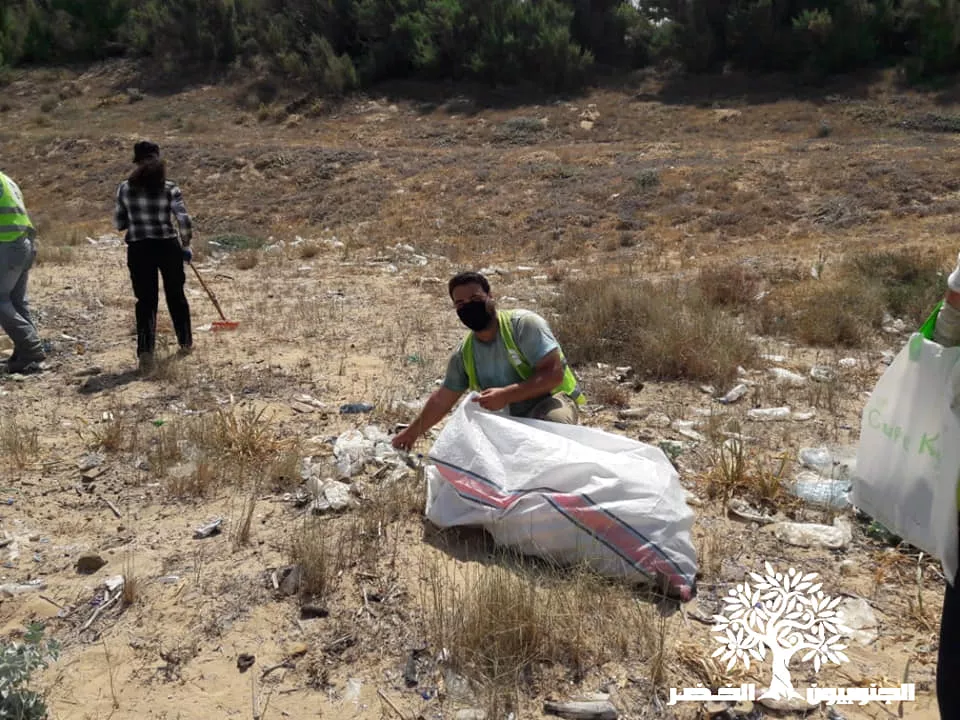
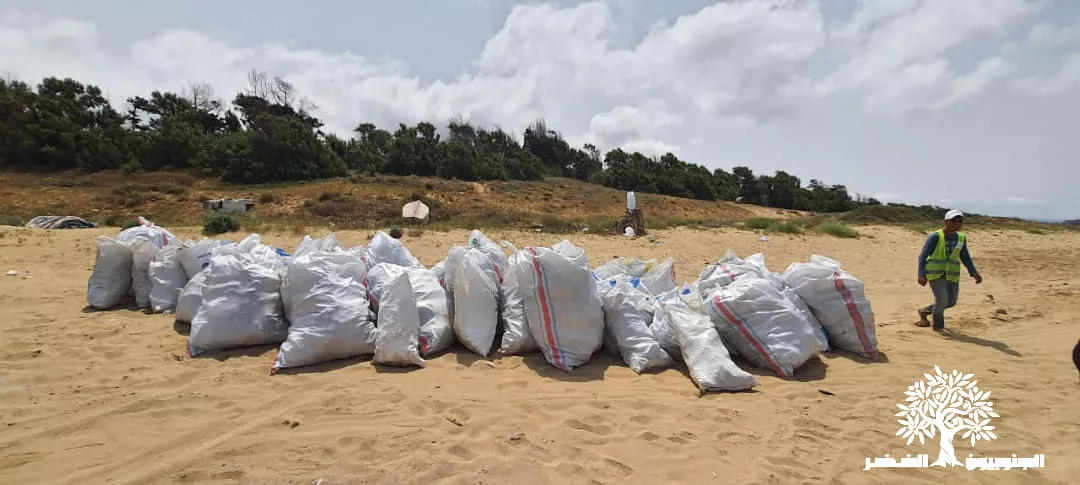
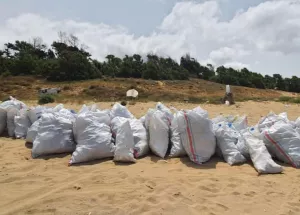
Successive cleanups were conducted across approximately one thousand square metres of the beach’s northern sector, the area most used by nesting turtles. The team followed a methodological protocol that combined waste collection with sorting, classification, and quantitative analysis in line with internationally recognised coastal litter assessment guidelines.
The results showed that plastics constituted between 47 and 99 percent of collected waste, with an average of 66 percent of total material. Wood and paper accounted for approximately 13 percent, while all other categories together did not exceed one percent. Medical waste, including syringes and pharmaceutical residues, was also recorded, highlighting significant risks to public health and coastal ecosystems.
Scientific Comparison with Global Indicators
These findings align with United Nations Environment Programme (UNEP) and European Union Marine Strategy Framework Directive data, which show that plastics represent 60–80 percent of marine litter globally. The Baqbouq Beach results fall within the upper global range, indicating severe coastal stress.
UNEP assessments also show that deep plastic accumulation within dune systems disrupts the structure and function of coastal vegetation such as Cakile maritima and Elymus farctus—a pattern confirmed through field observations at Baqbouq.
Data from the UNEP Global Sea Turtle Network further indicate that plastic obstruction can reduce nesting success by 20–40 percent in impacted habitats. Similar constraints were observed at Baqbouq, where debris obstructed turtle movement and compromised nest viability.
The presence of medical waste places the site within UNEP’s category of “high-risk coastal pollution”, requiring targeted interventions to reduce upstream sources of contamination.
Habitat Protection and Infrastructure Improvement
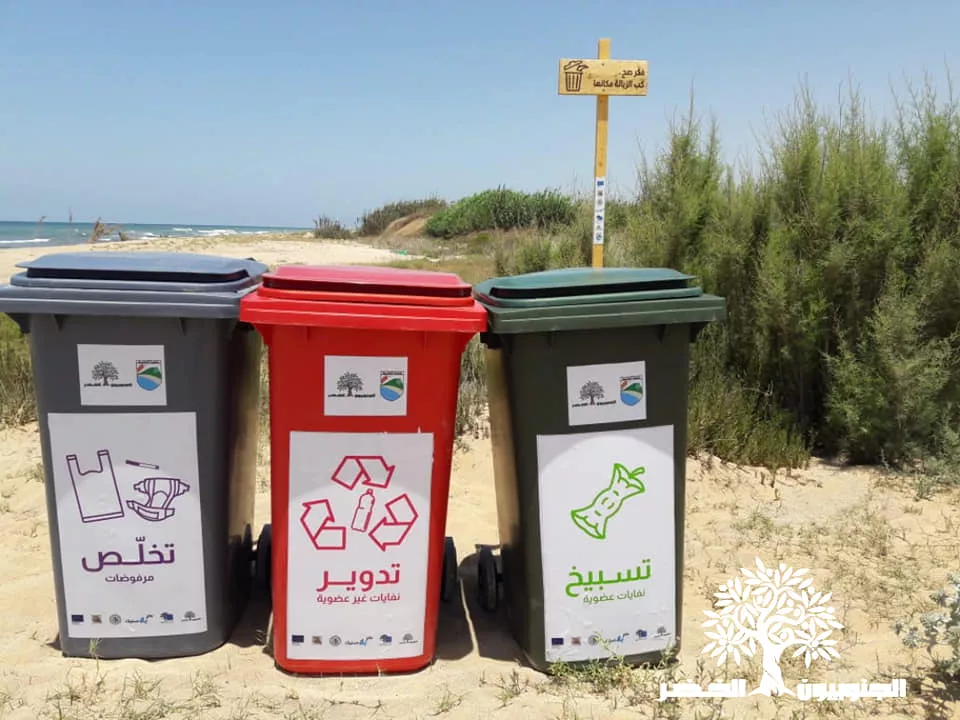
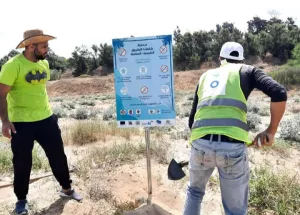
The project strengthened the ecological resilience of the beach through the installation of waste-sorting bins, awareness signage, and predator-exclusion mesh, alongside continuous monitoring supported by a dedicated 4x4 vehicle. These interventions improved habitat conditions, reduced disturbance, and enhanced readiness for turtle nesting seasons.
Overall Project Impact
The project significantly reduced plastic accumulation on the beach, improved habitat conditions for sea turtles, and raised community awareness of marine pollution threats. It also demonstrated an effective model of collaboration between local authorities, international partners, and civil-society organisations. The project provides a replicable framework for community-based coastal management in Lebanon.
Related Posts
-
 Projects
 -
 Rescue and Rehabilitation
 -
 Rescue and Rehabilitation