Deir Kifa Castle
Deir Kifa Castle / Maron Castle
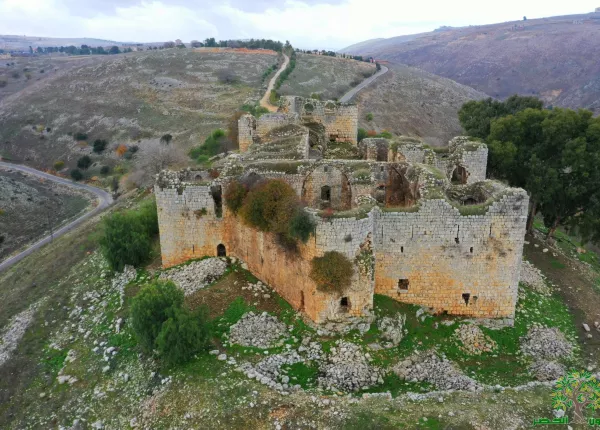
The castle stands on a wide isolated hill and is considered one of the largest fortresses in southern Lebanon. It is known in modern sources as Deir Kifa Castle or Maron Castle. Local studies suggest that the fortress was built over an earlier site, based on the presence of large reused stone blocks and columns incorporated into the walls, as well as its position overlooking internal routes linking the coast to the upland areas. No excavations have confirmed a Phoenician phase, but the reused architectural elements indicate earlier activity in the surroundings of the castle.
In the medieval period the Crusaders used the site as a protective point along the routes leading toward the Galilee and Jerusalem. This was followed by a Mamluk phase in which the defensive role declined and parts of the fortification were dismantled, a pattern reflected in the surviving outer ruins. During the nineteenth century travelers such as Guérin and the Survey of Western Palestine described the remains of large enclosure walls, semi-circular towers, inner courtyards, and multiple cisterns. They noted that the visible structure was built with relatively regular stonework resting on older foundations. The name “Maron” appears in modern geographical usage, yet there is no confirmed evidence linking it to a specific earlier historical site beneath the current castle.
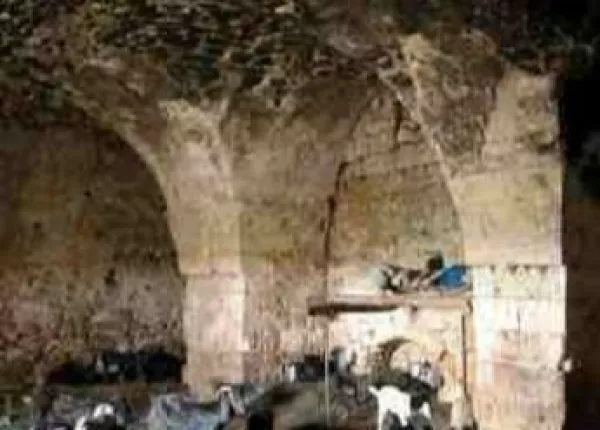
Local tradition attributes a major rebuilding phase to Sheikh Abbas Mohammad al-Nassar in the eighteenth century. This explains the presence of late Ottoman architectural features above an older core and the internal divisions associated with local administration and rural use. The surviving towers, walls, underground chambers, and numerous cisterns show that the castle served multiple functions, including habitation, defense, grain storage, and the sheltering of livestock.
The inclusion of Deir Kifa Castle in the Jabal Amel Castles Tentative List for UNESCO is based on its clear chronological layering, which begins with a possible earlier occupation, followed by the Crusader phase, then the Ayyubid and Mamluk periods, and finally the Ottoman reconstruction. This stratified sequence makes the castle one of the most significant examples of large rural fortifications in southern Lebanon.

Related Posts
-
 Castles and Towers
 -
 Castles and Towers
 -
 Castles and Towers