Wadi Zebqine Nature Reserve
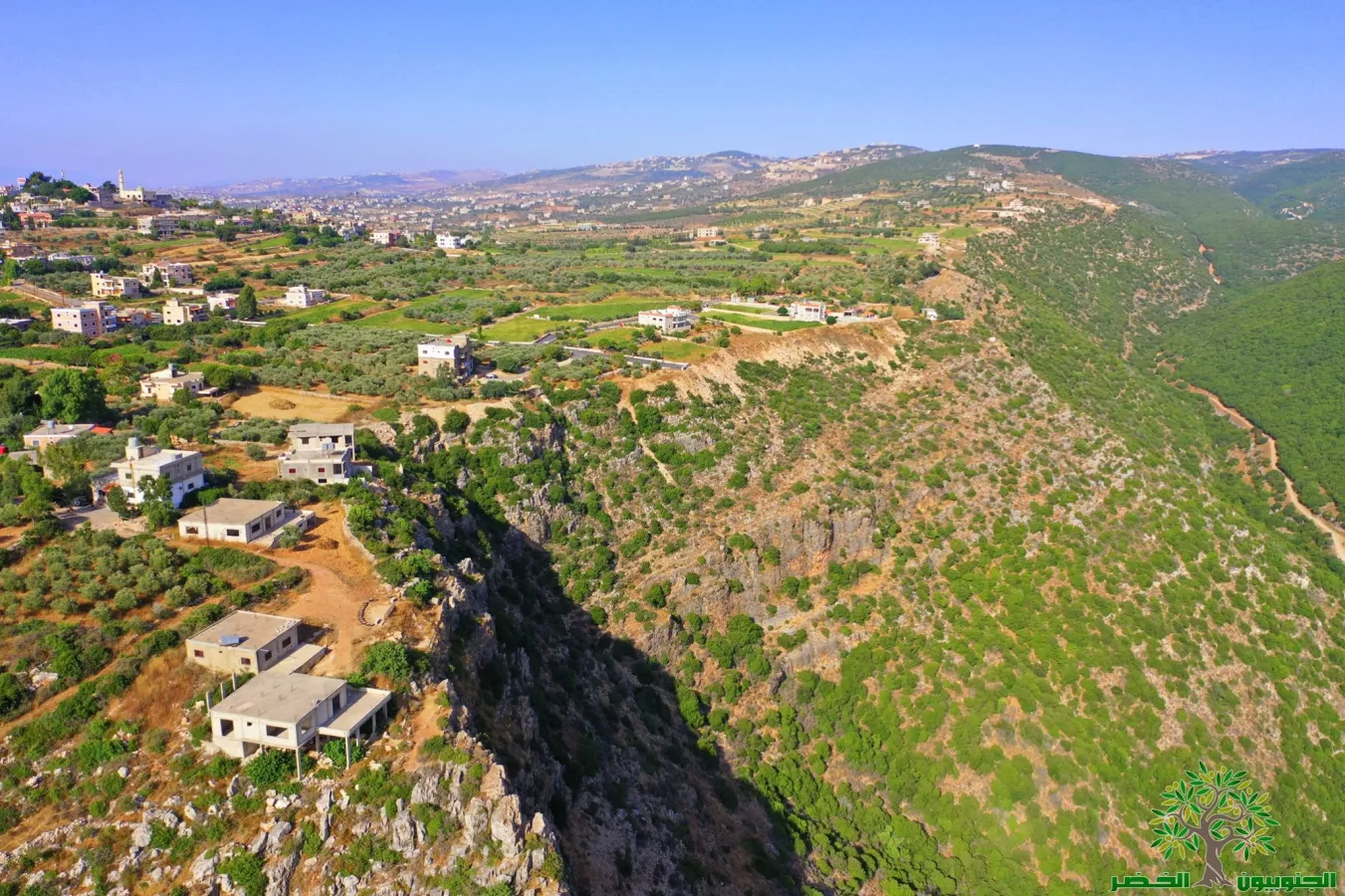
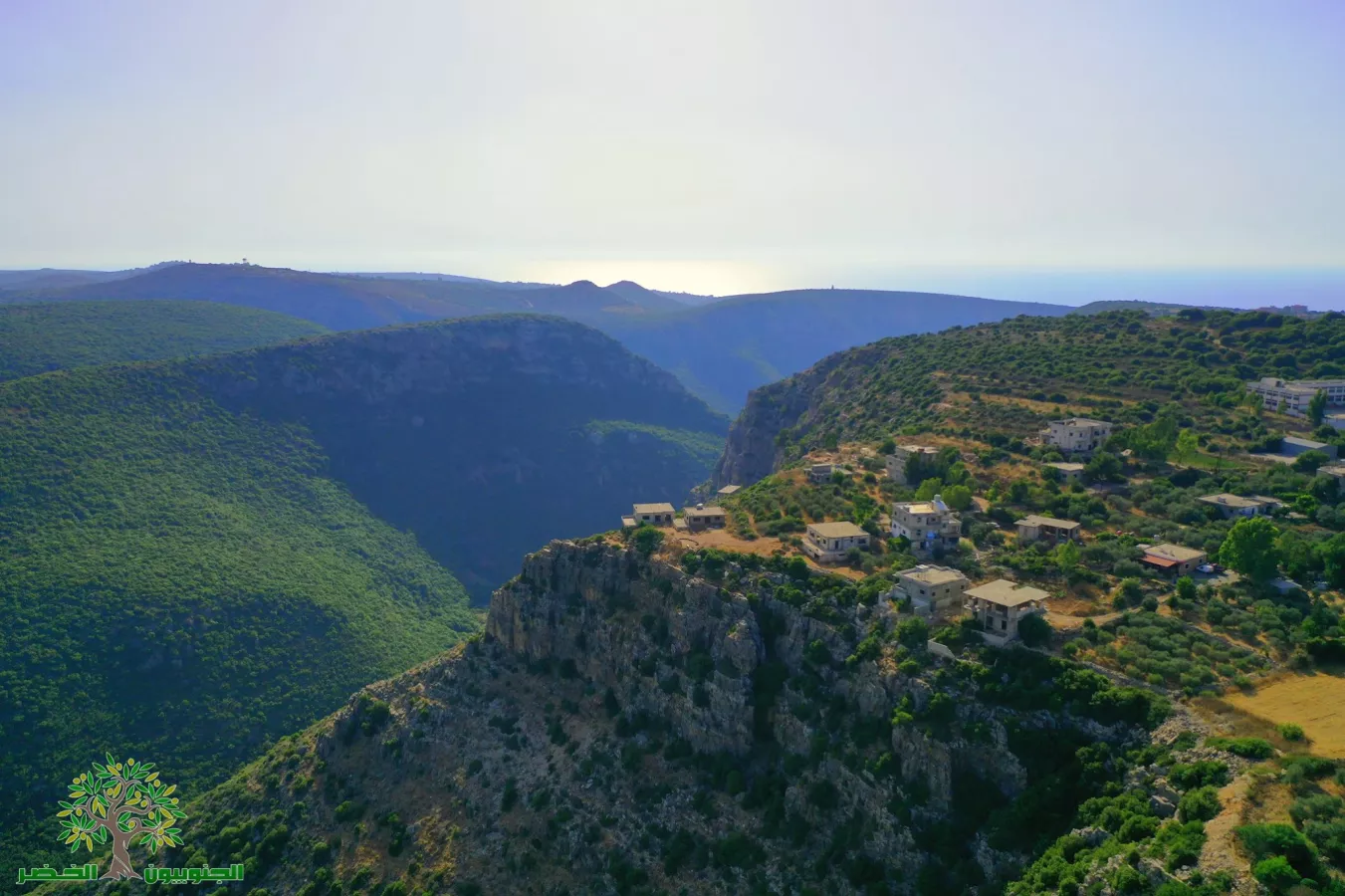
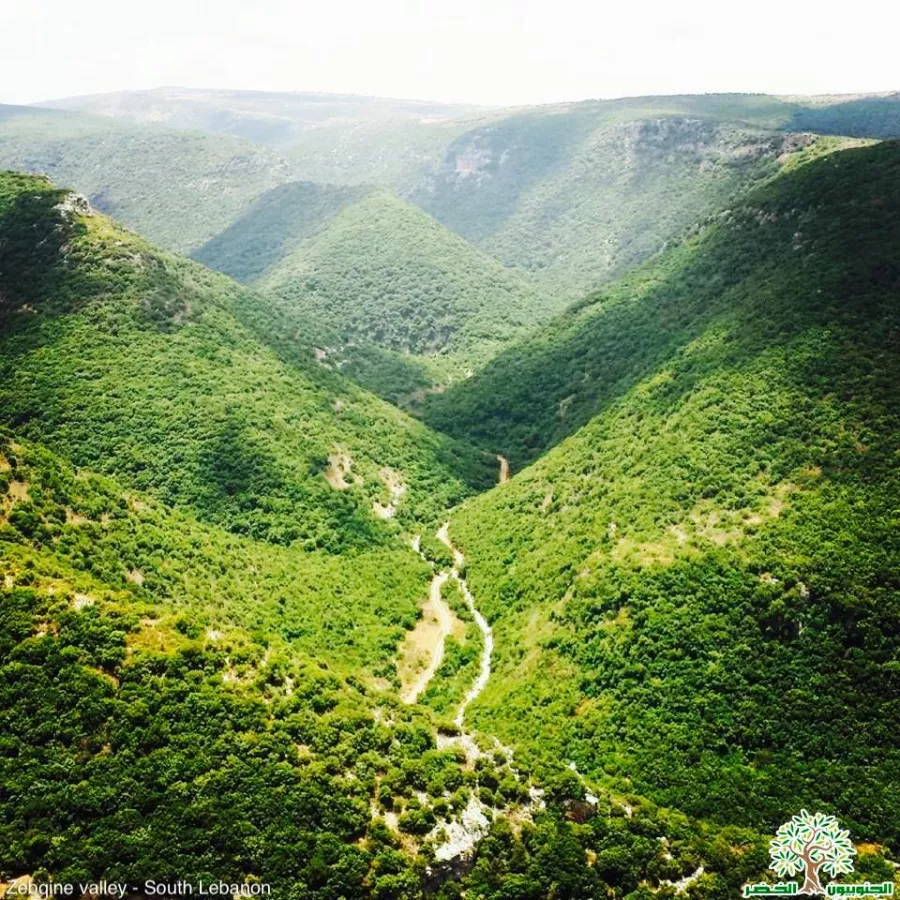
Wadi Zebqine lies about seventeen kilometres south of Tyre and extends from the Al-Aziyah spring and its tributaries over an area exceeding twenty square kilometres. The valley descends from the inland highlands of Jabal Amel toward the coastal fringe and encompasses the towns of Al-Qlaila, Zebqine, Yater, Rmeich, and Al-Salihani. It is geographically and ecologically connected to the border landscape adjoining occupied Palestine. The valley is one of the most important ecological and forested sites in South Lebanon and contains the largest remaining block of continuous woodland in the region.
National and Developmental Context
Historical data indicate that forests once covered nearly seventy-four percent of Lebanon and supported extensive networks of habitats for birds, mammals, and reptiles. Today forest cover does not exceed thirteen percent, with an additional ten percent of tree-dominated lands, amounting to only twenty-three percent of the country. This decline has been accompanied by marked degradation in terrestrial and freshwater ecosystems due to unregulated urban expansion, tree-cutting, overgrazing, poaching, recurrent wildfires, and various forms of pollution. National biodiversity reports and Lebanon’s commitments under international conventions emphasise the need to protect remaining habitats and expand the national reserve network. Within this context, Wadi Zebqine stands out as one of the last major forested valleys in South Lebanon.
General Environmental Characteristics
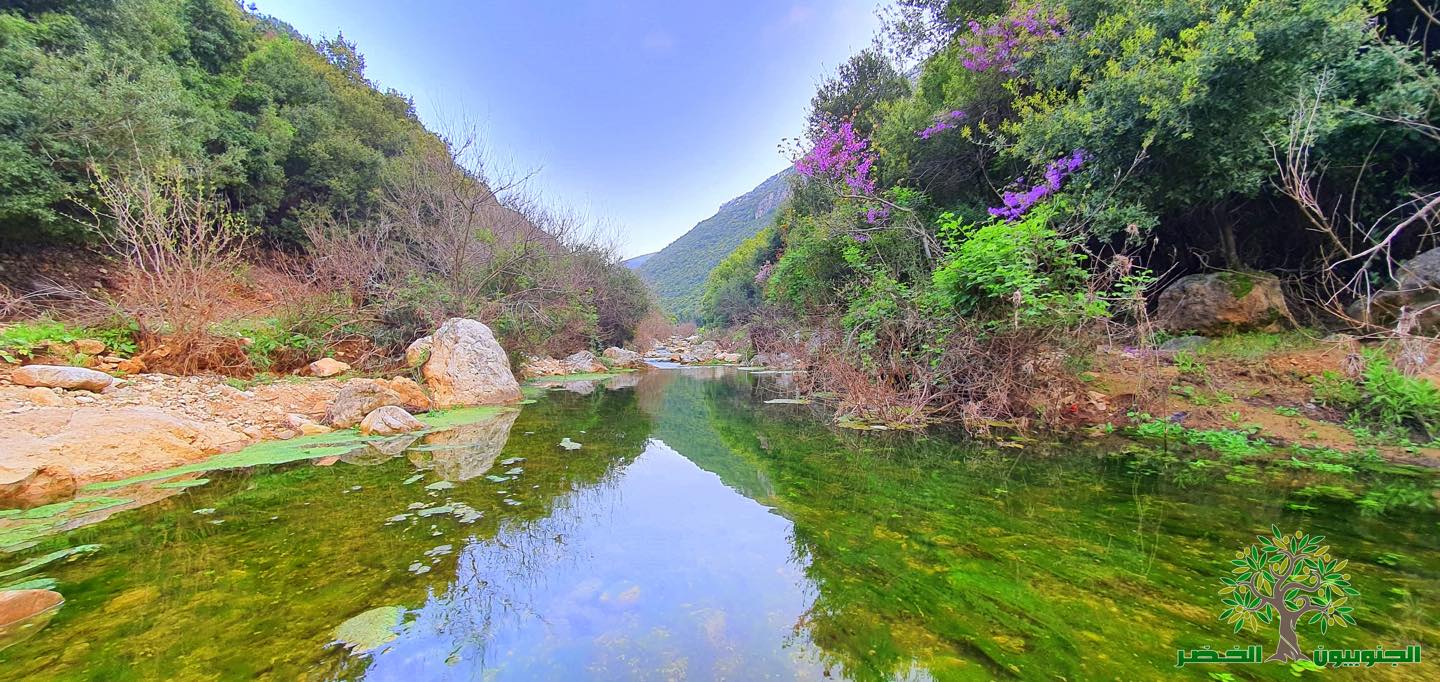
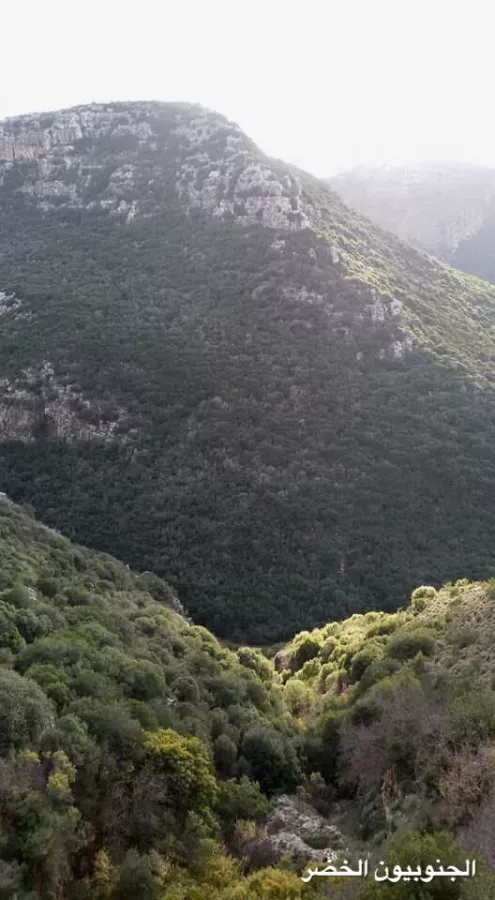
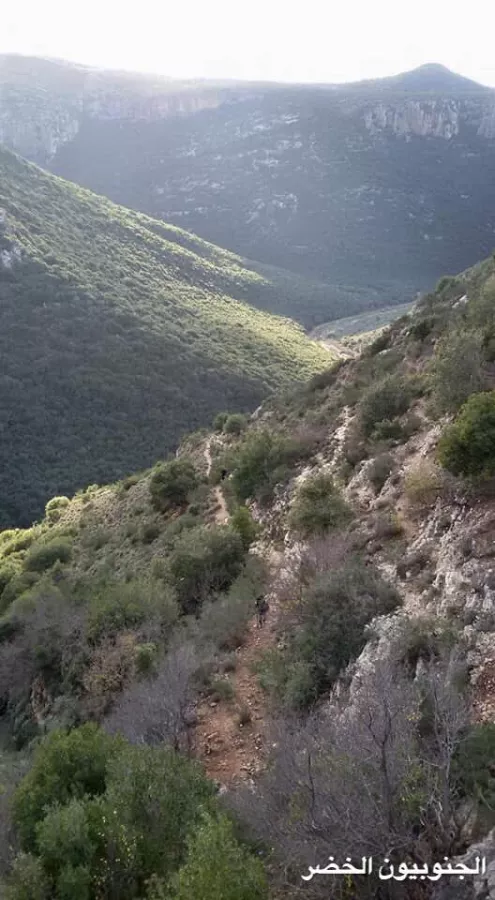
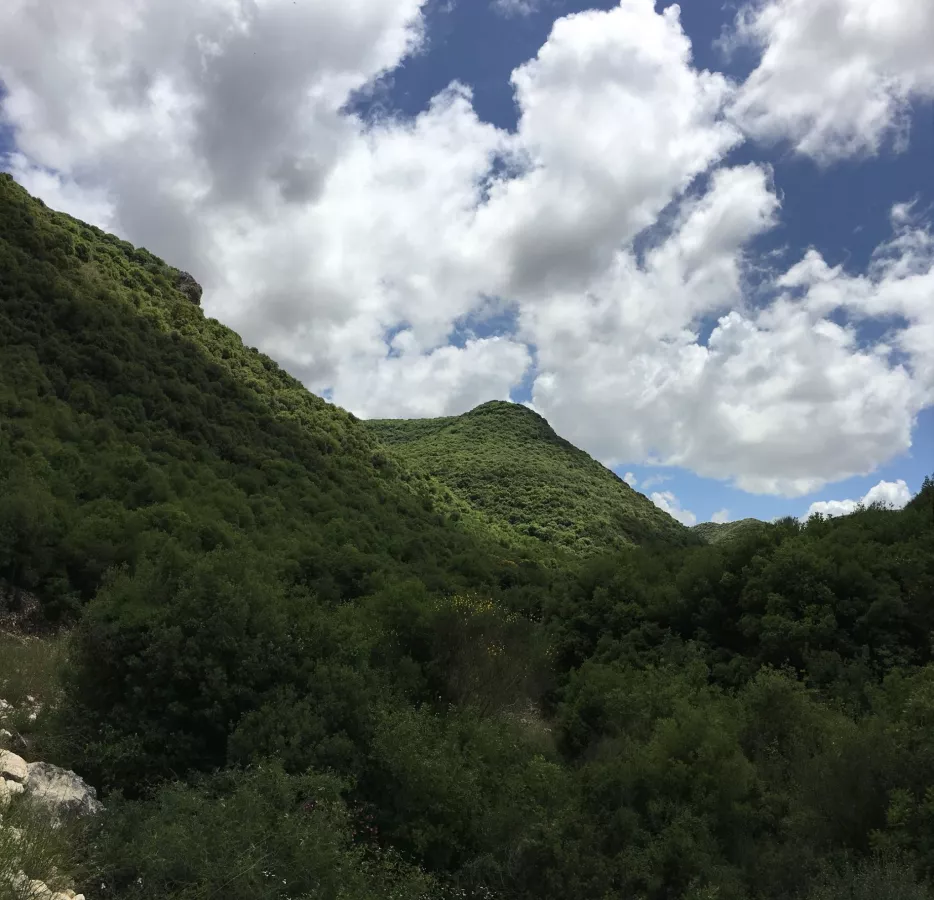
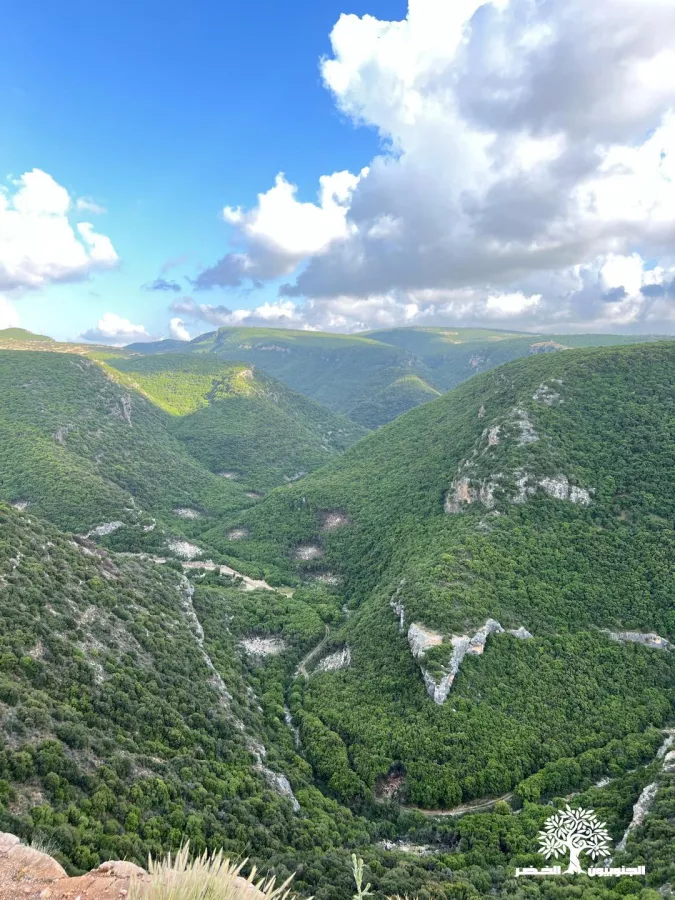
Wadi Zebqine forms an integrated ecological system that combines dense woodlands, varied topography, surface water networks, springs, rock formations, and natural caves. The forest cover extends almost continuously for more than thirteen kilometres, reaching a width of about three point six kilometres in some sections, a feature unparalleled elsewhere in Jabal Amel. This structural diversity generates stable ecological conditions and supports multiple habitat types.
Forest Cover and Plant Diversity
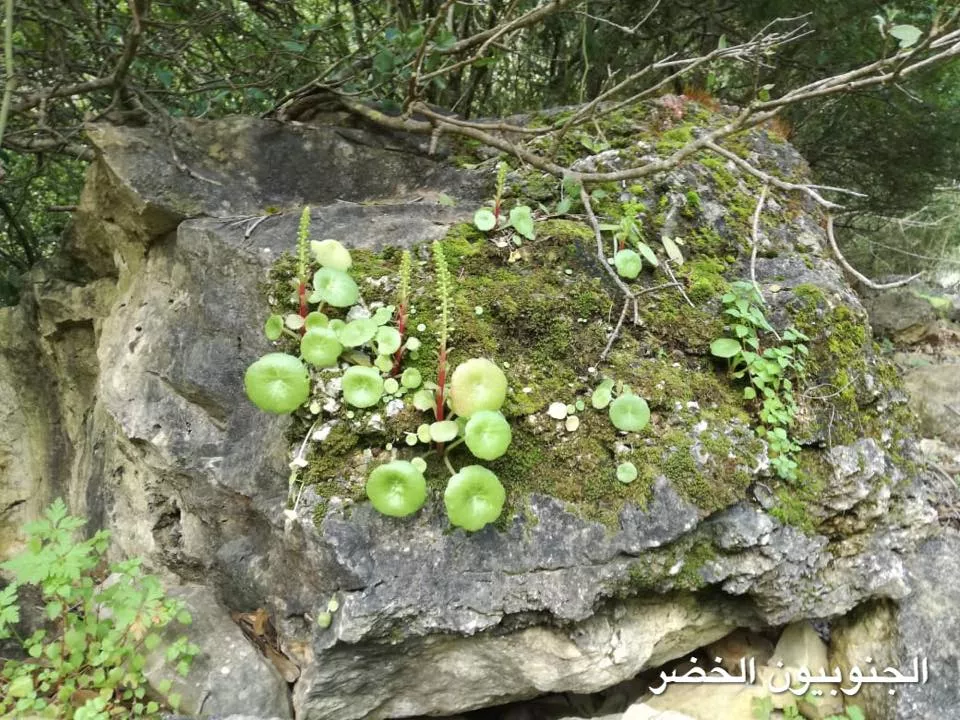
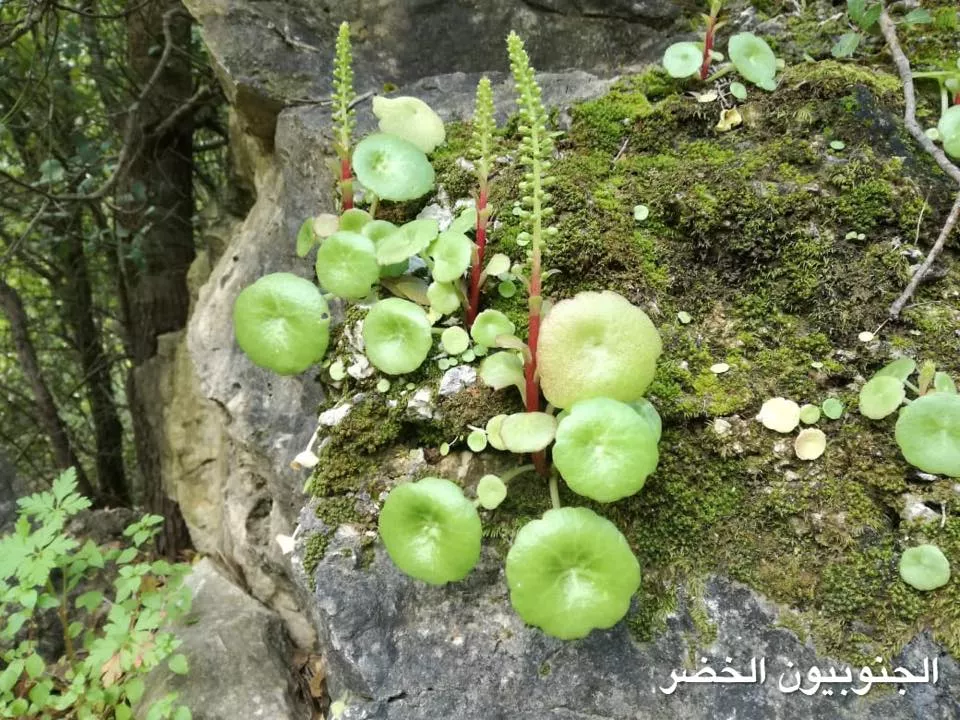
The valley contains the last remaining pine stands Pinus spp in the region, along with wild pistachio Pistacia palaestina, oak Quercus spp, carob Ceratonia siliqua, and a wide set of Mediterranean plants, including species used in traditional medicine. These plant communities stabilise soils, regulate the local microclimate, and provide habitats for insects, birds, and small mammals. They also represent one of the most significant remnants of the historical woodland cover of Jabal Amel.
Water Resources and Springs
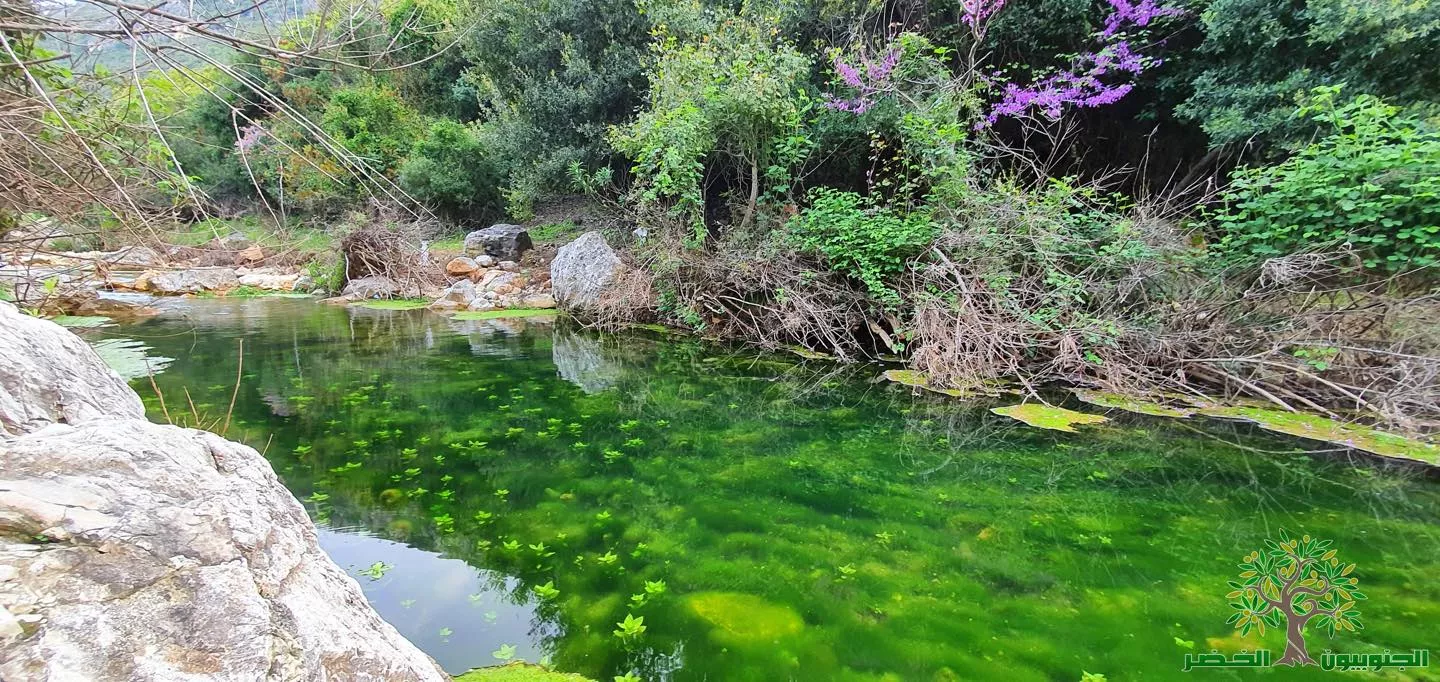
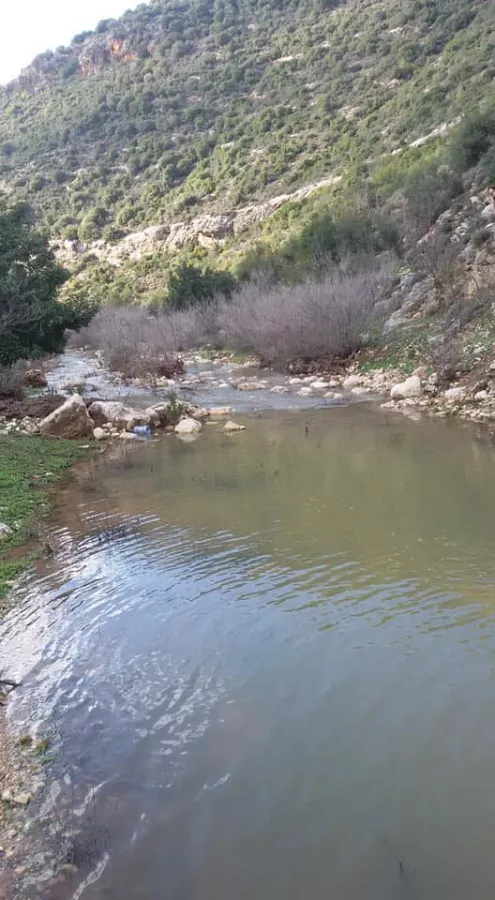
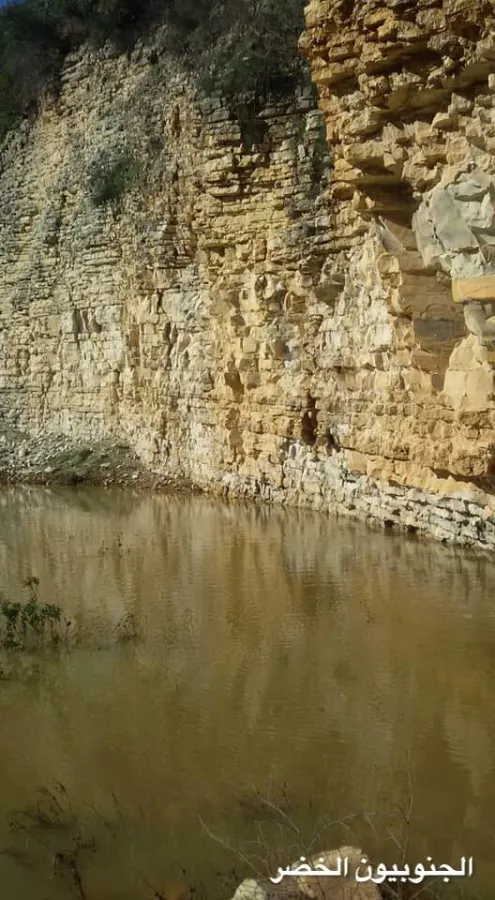
The valley is fed by a network of major springs, including Al-Aziyah, Al-Nafkha, Al-Salihani, Al-Qasab, and Al-Falwah, in addition to several secondary springs. These sources are connected to seasonal streams that transform in winter into powerful flows that inundate wide sections of the valley. This hydrological system provides relatively stable resources for fish, amphibians, reptiles, birds, and mammals and forms a core ecological component of the valley.
Caves and Geological Formations
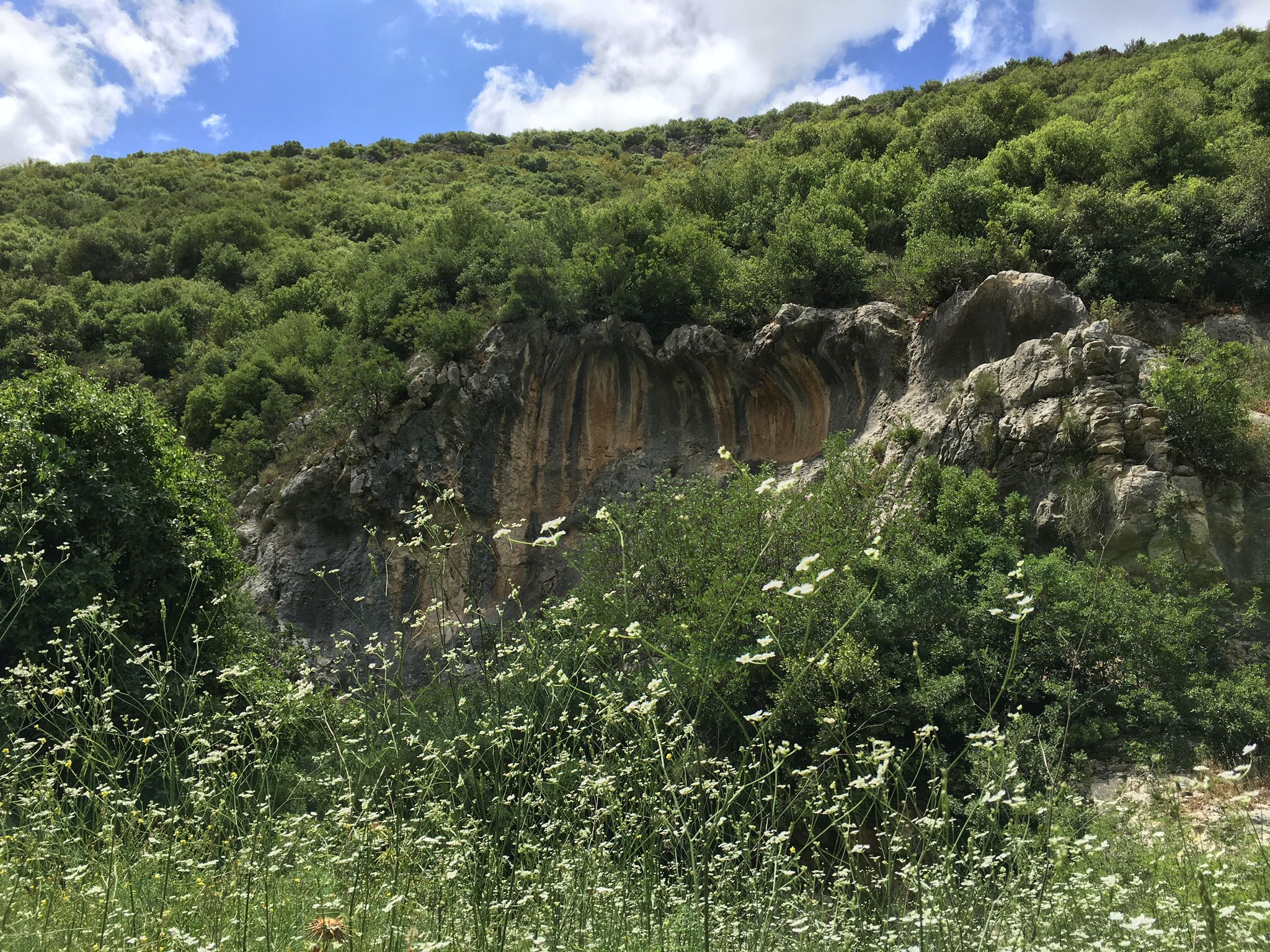
Wadi Zebqine contains several natural caves, especially Al-Nafkha Cave and Al-Salihani Cave, alongside smaller lateral cavities. These caves host cave-adapted fauna including bats and wild pigeons and offer microhabitats that vary in temperature and humidity. They add significant geological and scientific value to the site.
Faunal Diversity
Field observations document a wide range of medium and small mammals, including the golden jackal Canis aureus, striped hyena Hyaena hyaena, red fox Vulpes vulpes, Indian porcupine Hystrix indica, European badger Meles meles, and rock hyrax Procavia capensis. The valley also hosts numerous resident and migratory bird species, including raptors such as sparrowhawks Accipiter nisus and falcons Falco spp, in addition to owls, wild pigeons, finches, and songbirds. Reptiles, amphibians, aquatic invertebrates, and a rich diversity of insects are also recorded, reflecting a high degree of ecological integrity compared with other degraded regions of Jabal Amel.
Ecological Significance
Wadi Zebqine represents a coherent forest-valley ecosystem that supports complete food chains, from primary producers to top predators. This ecological integration enhances species resilience to climatic pressures and contributes to national goals related to biodiversity conservation, combating desertification, and preventing land degradation. The valley plays a stabilising ecological role in the wider Jabal Amel landscape.
Green Southerners’ Vision
The Green Southerners Organisation views Wadi Zebqine as a cornerstone within a connected network of natural habitats in South Lebanon, alongside Al-Abbasiya Beach and Adloun. The vision is grounded in field documentation of biodiversity, risk assessment, and the alignment of local conservation efforts with national environmental legislation and Lebanon’s international obligations. The valley is seen as the last large continuous forest block in Jabal Amel and a foundation for re-establishing ecological connectivity across remaining woodlands and valleys.
Institutional Pathway Toward Designation
On 25 August 2016 the organisation submitted a proposal supported by environmental studies to the concerned municipalities and regional MPs calling for the designation of Wadi Zebqine as a nature reserve. The Municipal Council of Zebqine endorsed the proposal on 13 February 2017, followed by Yater Municipal Council on 24 March 2017 for lands within its jurisdiction. Since then the association has been working with the Municipality of Zebqine and the Ministry of Environment to complete the procedures required for an official decision by the Council of Ministers, before referral to Parliament. In 2024 the Minister of Environment officially informed the association that the file is complete and ready for submission to the Council of Ministers.
Environmental Pressures and Threats
Wadi Zebqine faces escalating pressures including urban expansion, dumping of construction debris, wildfires, and uncontrolled waste sites that catch fire and threaten to spread into the forest cover. The valley has also witnessed land-reclamation activities that do not meet legal requirements and do not fall under the Land Reclamation Law, given that they occur within forested areas. These activities have resulted in the loss of woodland despite repeated objections submitted by the Green Southerners organisation to the Ministry of Agriculture and notifications to the Ministry of Environment. Overgrazing, poaching, and the arbitrary killing of wildlife further disrupt ecological balance and hinder natural vegetation regeneration in one of the most important environmental sites in South Lebanon.
Green Southerners’ Interventions
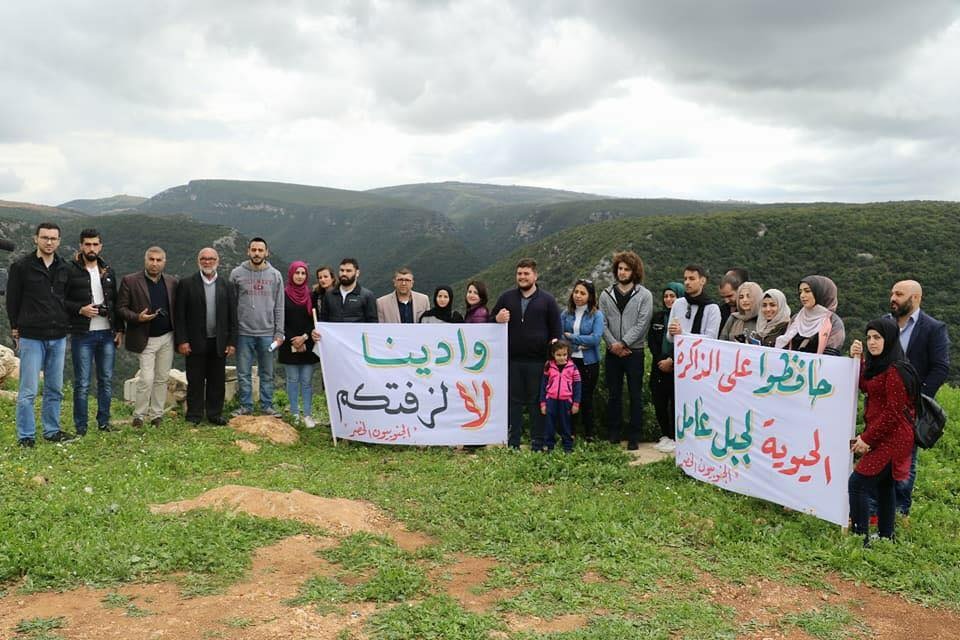
Since 2017 the organisation has opposed a road-cutting project proposed within the valley. It launched a national campaign to protect the site, engaged with the relevant ministries, and organised a sit-in in March 2018. In coordination with Zebqine Municipality, the organisation succeeded in halting the works before they reached the valley, after they were stopped in the Al-Salihani sector, a zone of high forest value. This intervention preserved the continuity of the ecological landscape and prevented habitat fragmentation and destruction, reinforcing the valley’s status as a key natural site in South Lebanon.
Related Posts
-
 Natural Reserves
 -
 Natural Reserves