Adloun Natural and Cultural Beach Reserve
Site Overview
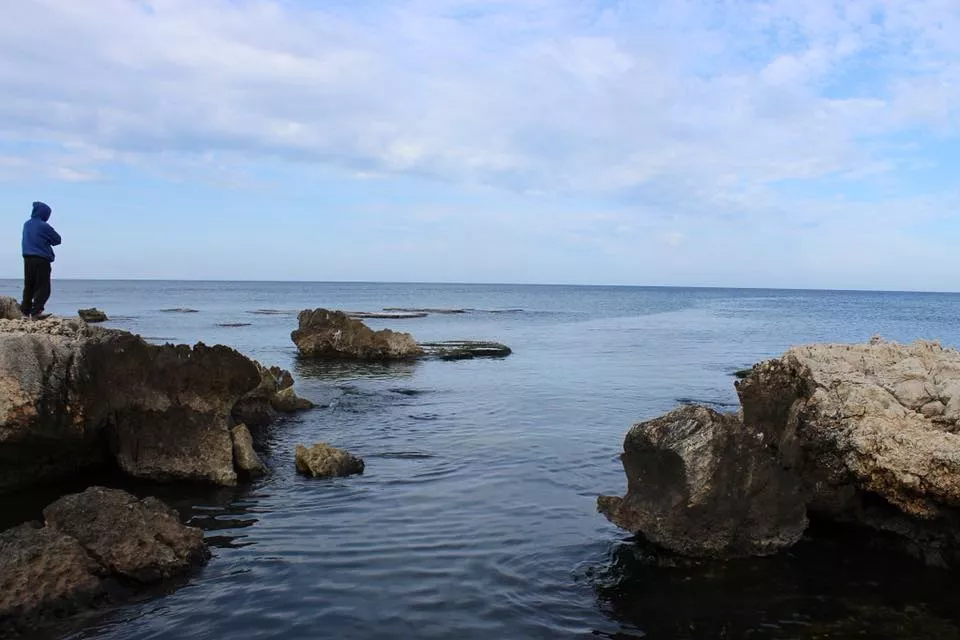
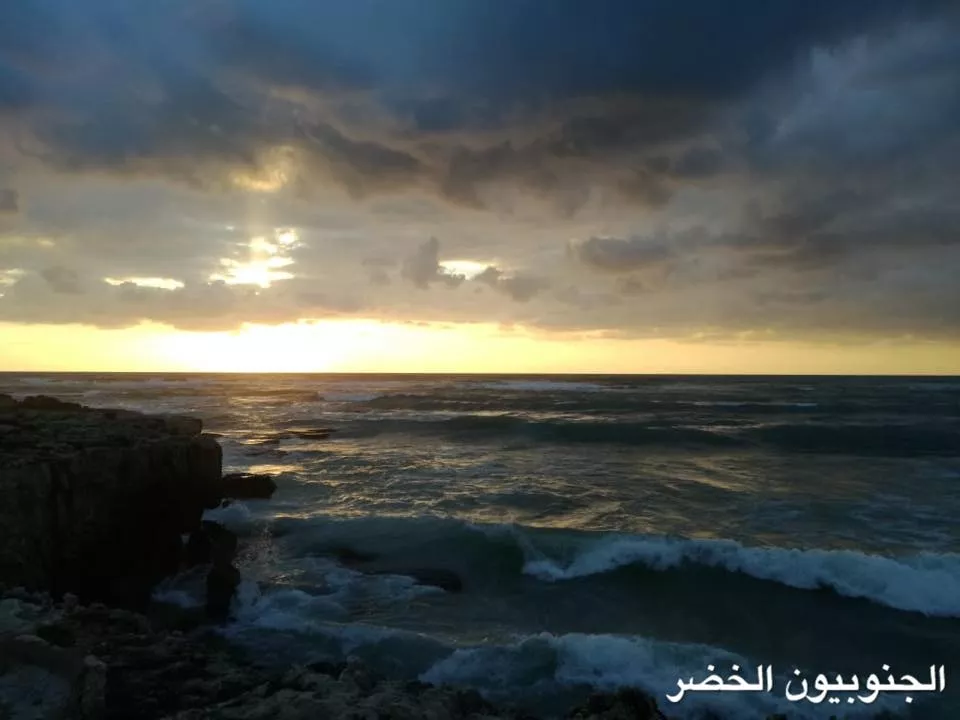
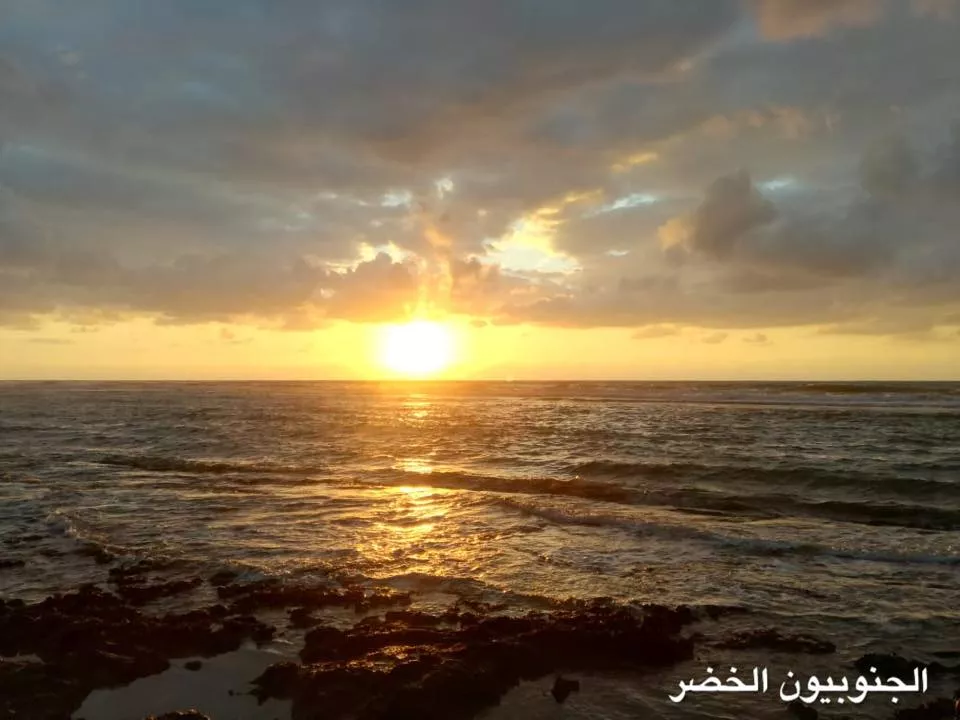
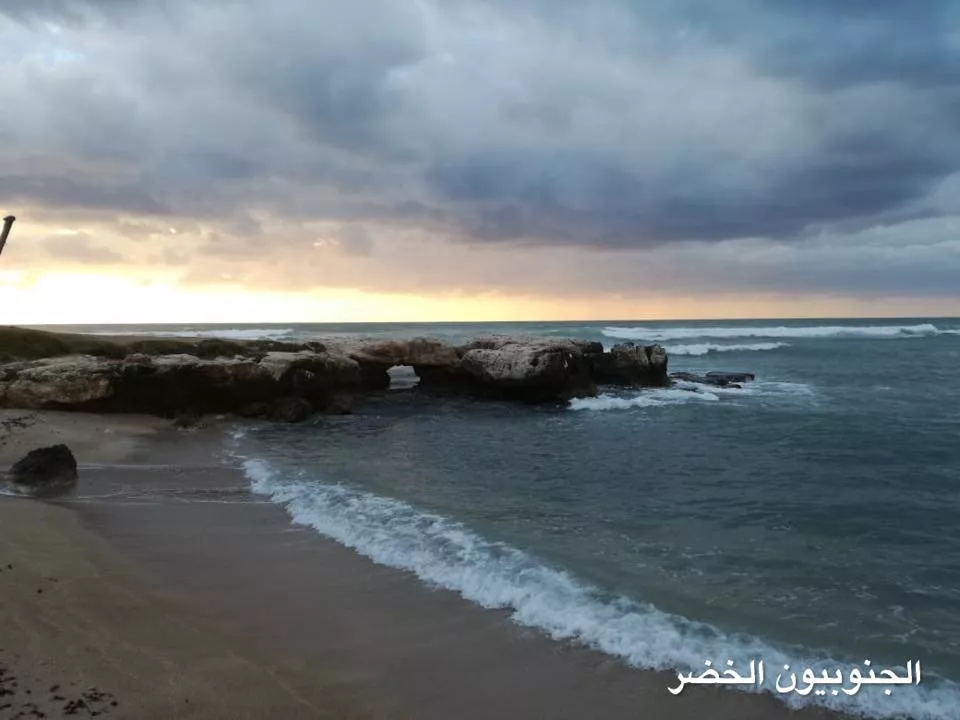
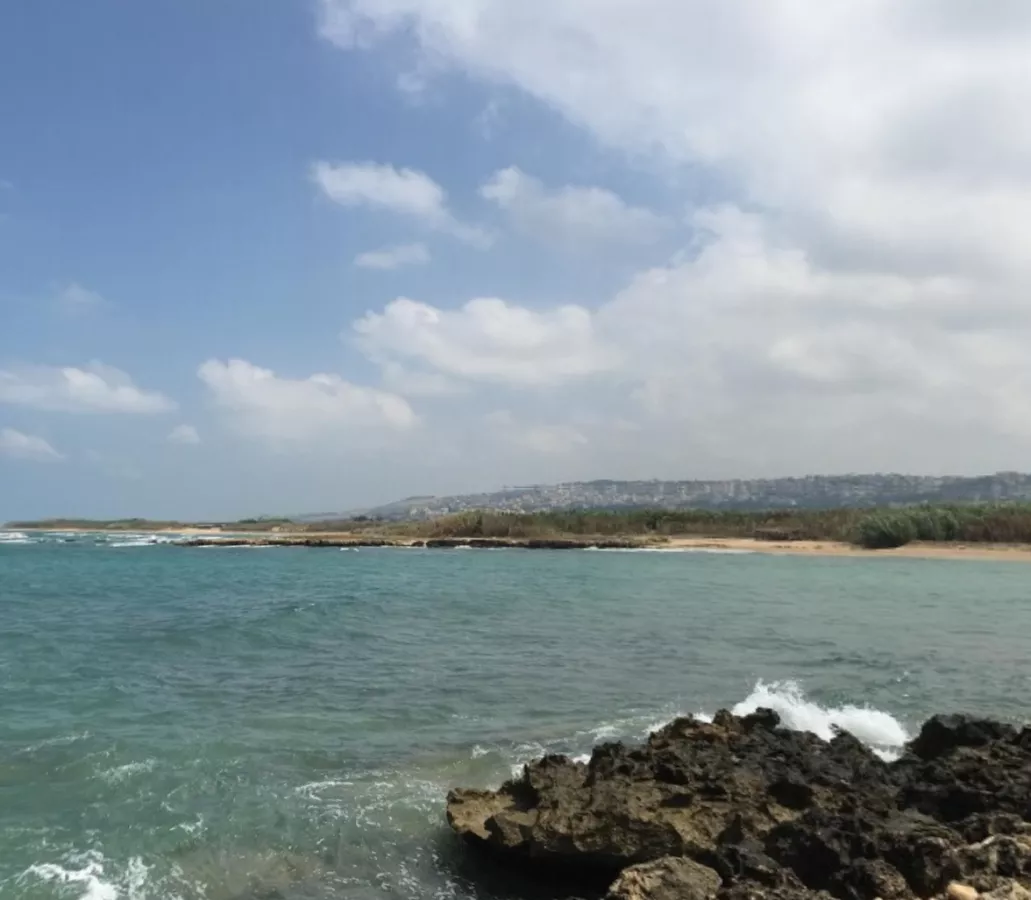
Adloun Beach extends along a coastal strip of about nine kilometers in the Zahrani District. The coastline combines sandy coves, rocky formations, intertidal flats, and traditional coastal salt pans, creating one of the most ecologically diverse coastal settings in Lebanon. It is one of the last remaining nesting sites for globally endangered marine turtles, including the green turtle Chelonia mydas and the loggerhead turtle Caretta caretta. The site also supports a wide range of coastal plants and marine organisms.

Core Environmental Features
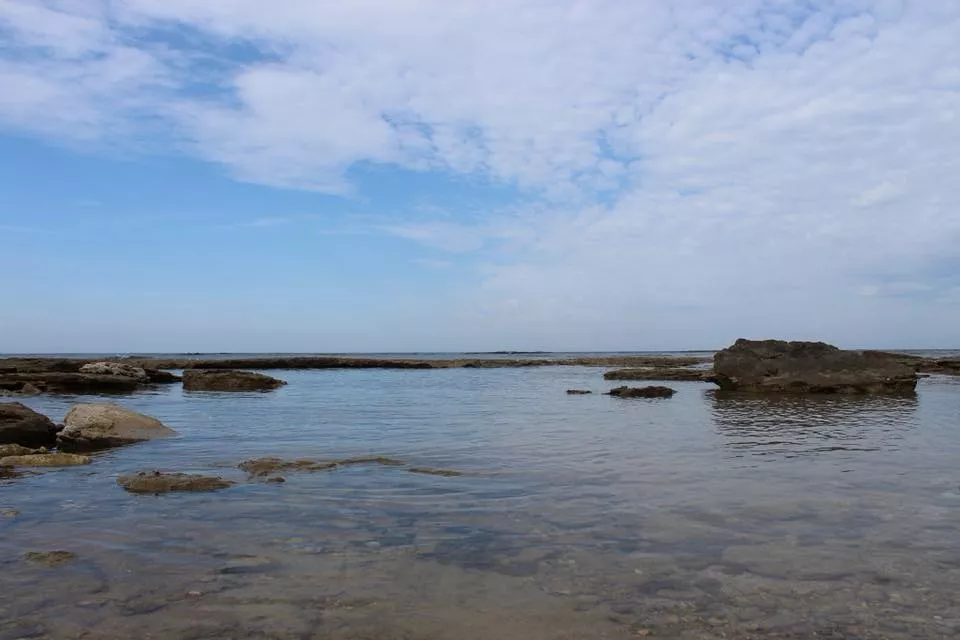
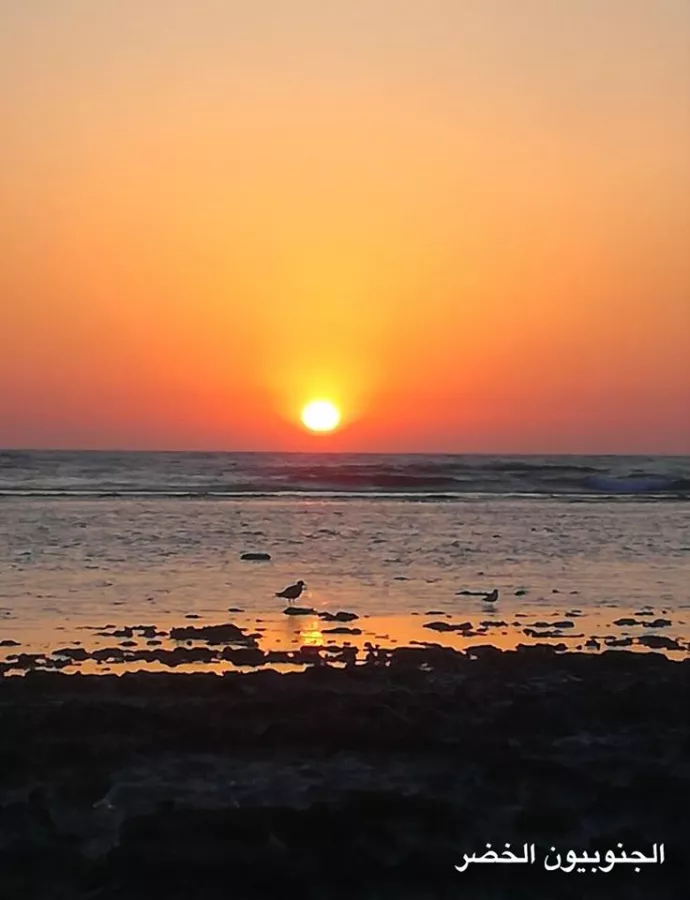
The site contains a mosaic of coastal habitats, including sandy shores, rocky platforms, and tidal pools. These habitats support a diverse marine assemblage that includes large fish species such as sharks and rays, in addition to common coastal fish and various marine invertebrates. Despite pressures such as dynamite fishing and other illegal practices, the coastal system retains a notable level of biological productivity.
Geomorphology and Hydrology
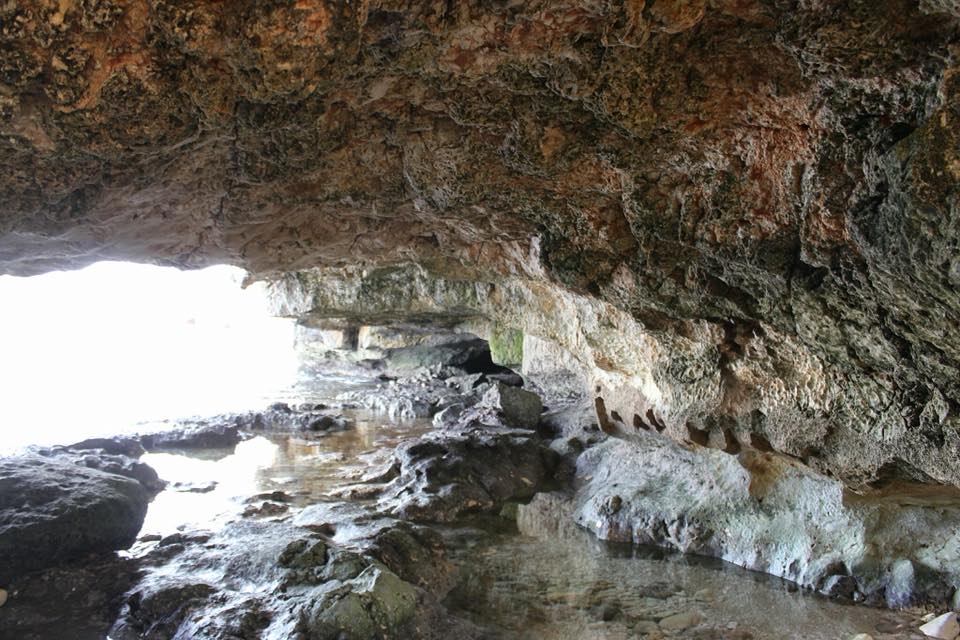
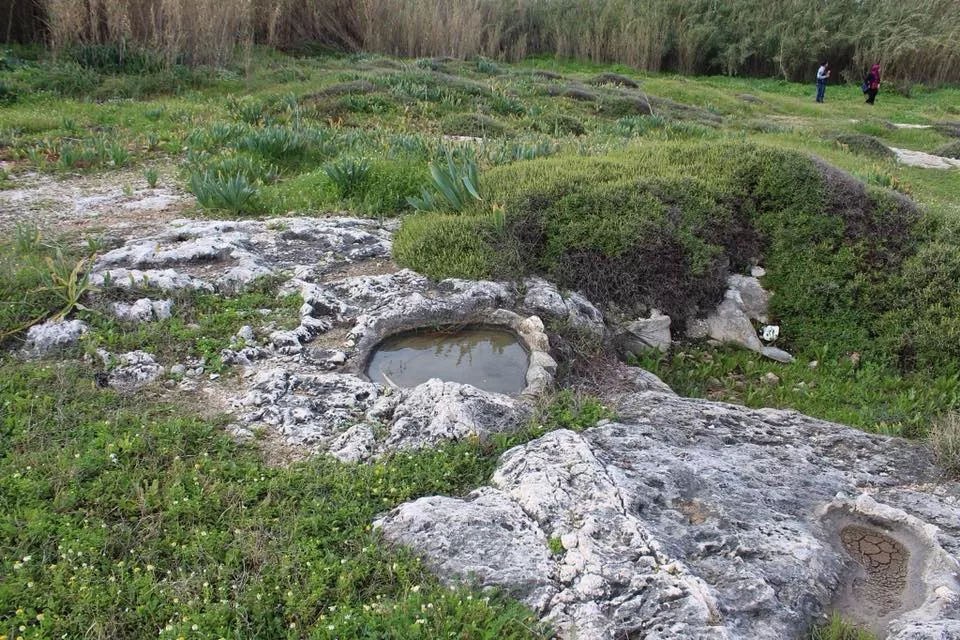
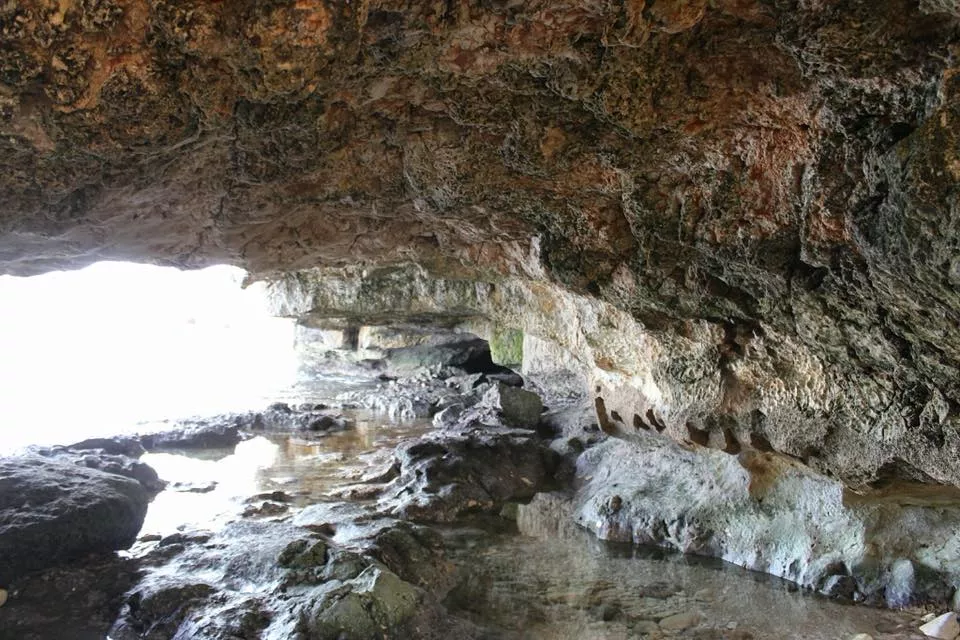
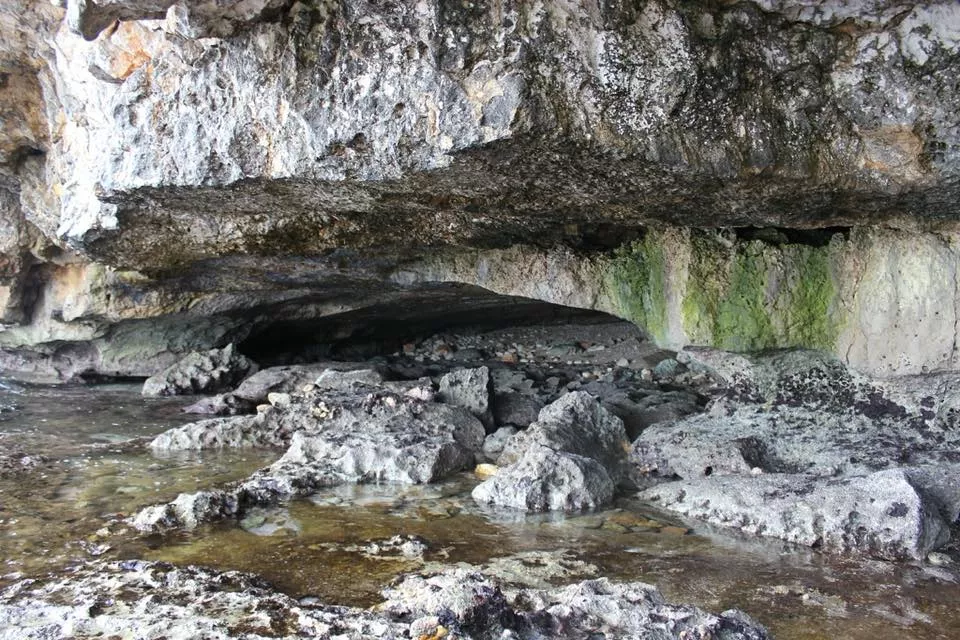
The coastline is shaped by a mixture of eroded rocky blocks, sandy inlets, and fine sedimentary surfaces. Adloun lies close to the mouth of the Litani–Qasmiyeh River, which enhances its ecological value through natural nutrient input and diverse sedimentation patterns. This geomorphological setting reflects a long coastal evolution shaped by wave action and marine processes, resulting in varied and productive habitat types.
Plant Diversity
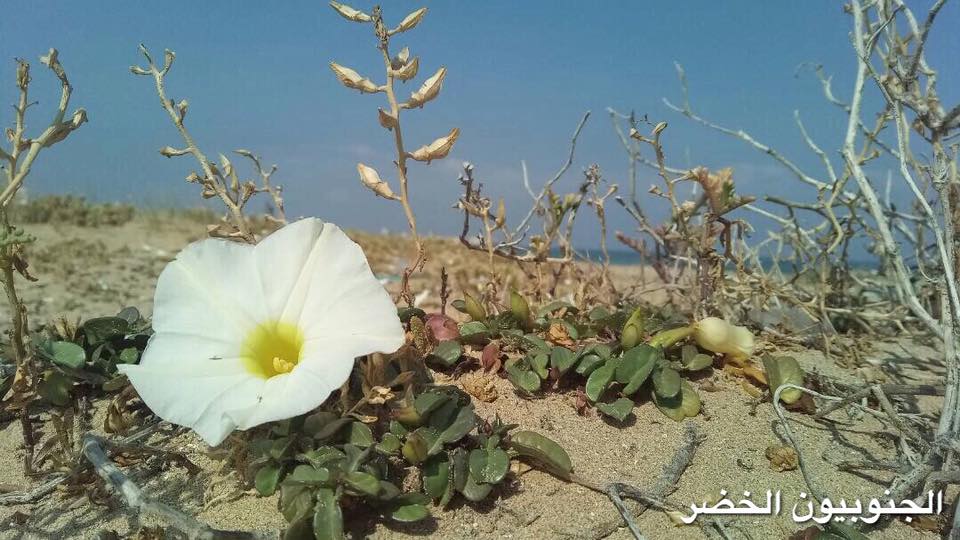
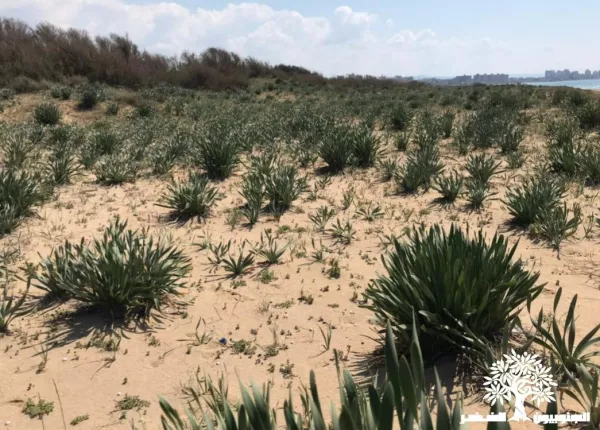
The site hosts a variety of coastal vegetation, including the sea daffodil Pancratium maritimum, coastal reeds Arundo spp., and other salt-tolerant shrubs that stabilise sandy soils and support diverse insect, reptile, and bird communities.
Animal Diversity
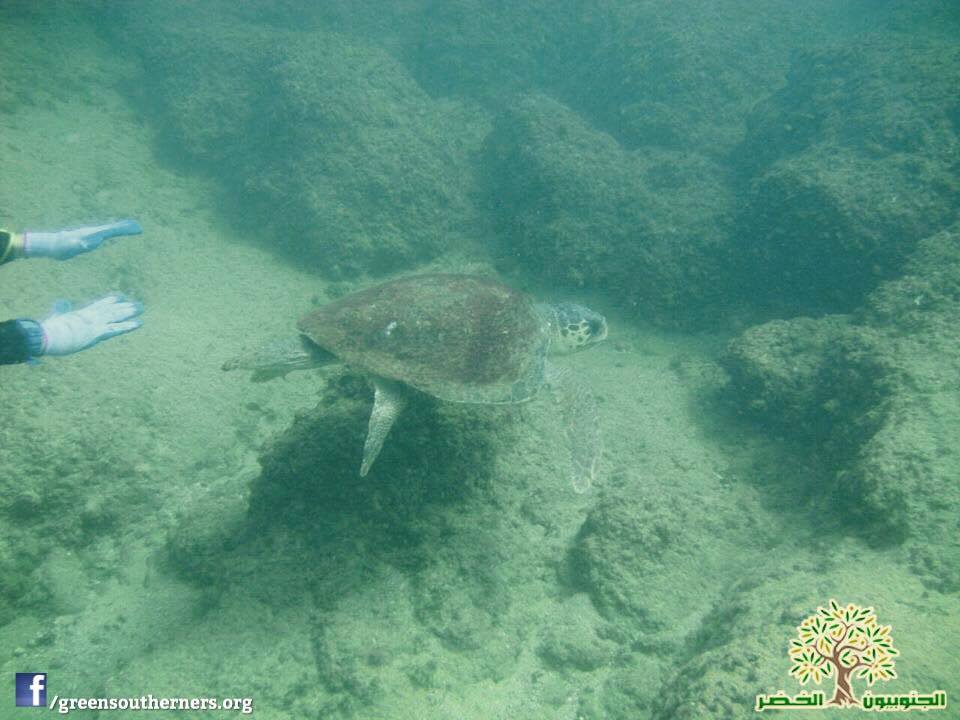
Recorded terrestrial fauna include the red fox Vulpes vulpes and several small mammals. Adloun serves as an important stopover for migratory and resident birds, and species such as kingfishers (Alcedo spp.) are frequently observed feeding in shallow water zones. Field monitoring has documented repeated nesting activity of Chelonia mydas and Caretta caretta, confirming Adloun’s status as a key turtle nesting habitat.
Cultural and Archaeological Features
The Adloun coastline forms part of a historic corridor linking Tyre, Sarafand (ancient Sarepta), and Sidon. It contains an exceptionally rich archaeological heritage dating to the Phoenician, Roman, Byzantine, and early Christian periods. Notable landmarks include the Phoenician harbor known as Mina el-Zebl, carved open and closed rock basins used as ancient workshops, Phoenician burial caves, and the famous prehistoric Adloun caves dating back more than ninety thousand years. The site was excavated by researchers such as Godfrey Zümoffen (1898–1908) and Dorothy Garrod (1958–1963).
Green Southerners’ Vision
Green Southerners considers Adloun a central component of its long-term strategy to protect the southern Lebanese coastline, due to the site’s ecological integrity and cultural significance. The association views Adloun as a model “natural–cultural reserve” that brings together biodiversity conservation and heritage protection. Since 2016, the association has conducted field monitoring, documenting turtle nesting activity, surveying plant communities, and recording key marine species. This work provided the scientific basis for advocating the site’s protection.
Legal Pathway
In December 2014, the association submitted a formal proposal to the Ministry of Environment to designate Adloun as a nature reserve, followed by a parallel submission to the Ministry of Culture in March 2015 due to the site’s archaeological value. The proposal was supported by a comprehensive study detailing the environmental and cultural components of the site, and the association also requested that its parcels be added to the National Inventory of Historic Sites.
The file relied on specialised studies, including the ERML Project Report (University of Balamand, 2012), which classified Adloun among the highest-priority protection sites in Lebanon, and the research article “Adloun: History and the Chain of Civilization,” published in Chronos (2016) by Dr. Hicham Younes, founder of the Green Southerners. These academic foundations strengthened the case for declaring the site a natural–cultural reserve.
Pressures and Threats
Adloun Beach faces environmental pressures including urban expansion, dumping of construction debris, encroachment on the public maritime domain, illegal fishing, and pollution from human activity. One of the most significant threats was the planned tourism port project, due to its size and location within an archaeologically sensitive coastal zone.
Green Southerners opposed the project from the outset, stressing its incompatibility with local environmental conditions, the limited service capacity of Adloun, and its failure to meet legal requirements. The association launched a national campaign that resulted in modifications to the project layout and the protection of several archaeological features.
Despite an estimated investment of around 25 million USD, nearly a decade had passed by 2025 without the port becoming operational, due to the absence of any supporting tourism infrastructure and because the port’s scale far exceeded local needs—concerns that the association had raised before construction began. Green Southerners continued to advocate for the protection and designation of the remaining coastline to prevent similar future threats.
Additional pressures include invasive species and climate-related impacts such as rising temperatures and sea-level rise, which affect the site’s sensitive coastal systems and require integrated management responses.
Ecosystem and Cultural Services
The site provides multiple ecosystem services, including the protection of coastal habitats, support for marine and terrestrial biodiversity, and opportunities for environmental education and scientific research. The area also holds cultural and tourism value rooted in its Phoenician heritage and distinctive geological landscapes.
Protecting Adloun strengthens the health, diversity, and long-term resilience of marine habitats, supporting local fisheries, fishermen, and coastal communities in Adloun, Sarafand, and along the broader southern coastline. These combined values form a core element of the Green Southerners’ strategy for sustainable coastal management.
Latest Updates
Related Posts
-
 Natural Reserves
 -
-large.webp) Natural Reserves
Natural Reserves