Al-Abbasiya Natural Beach Reserve
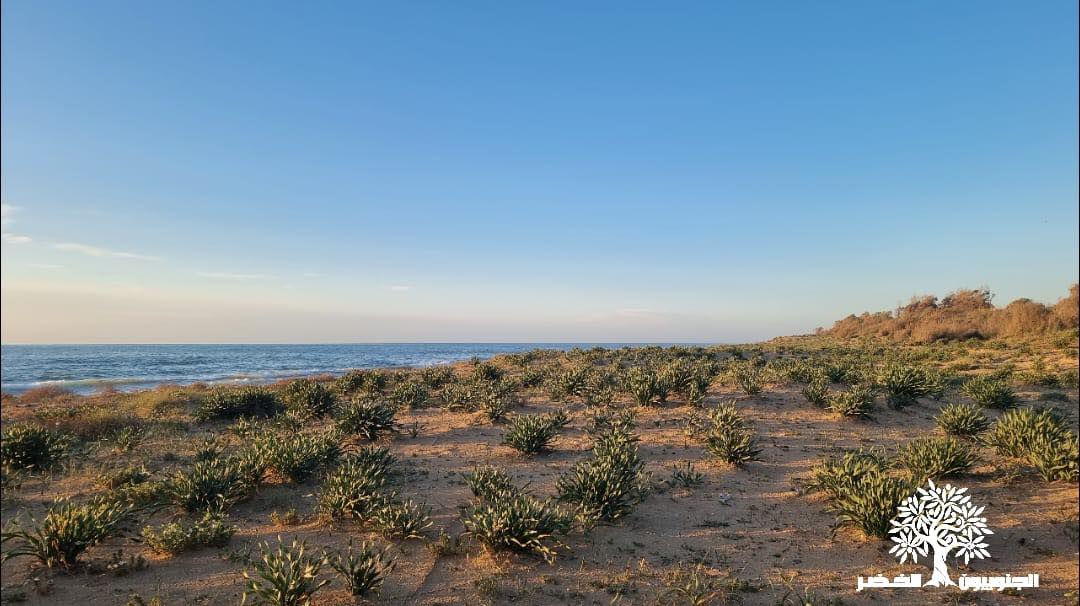
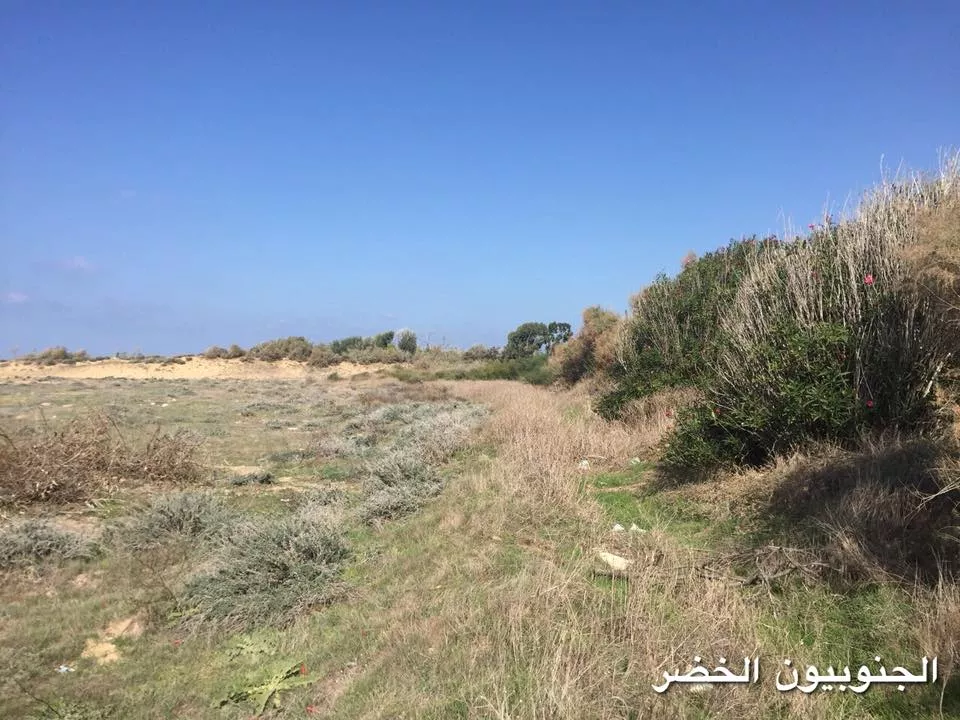
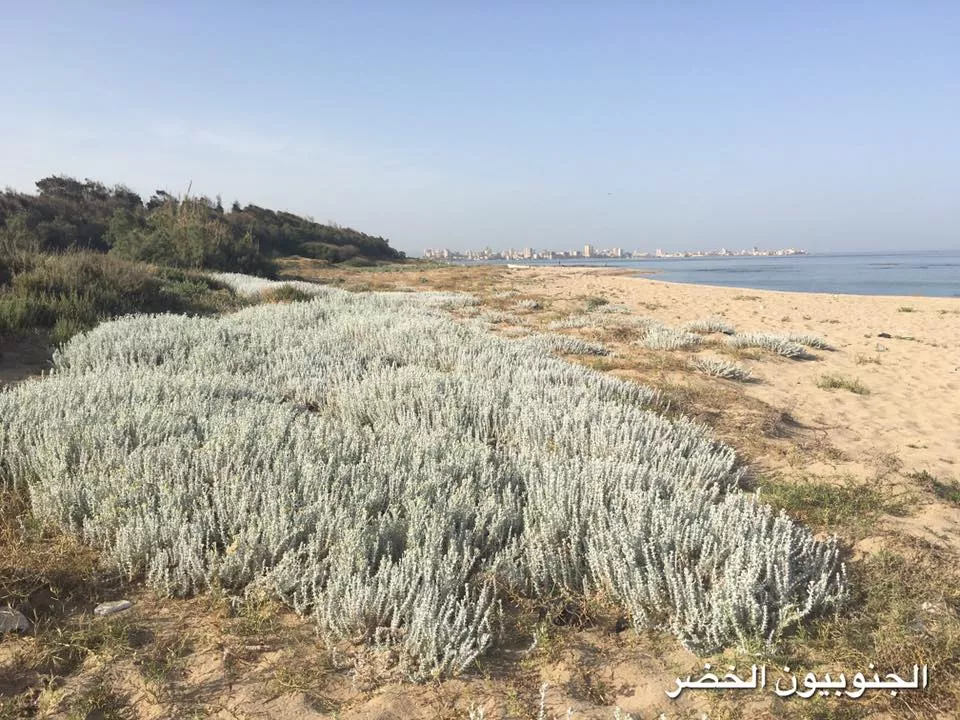
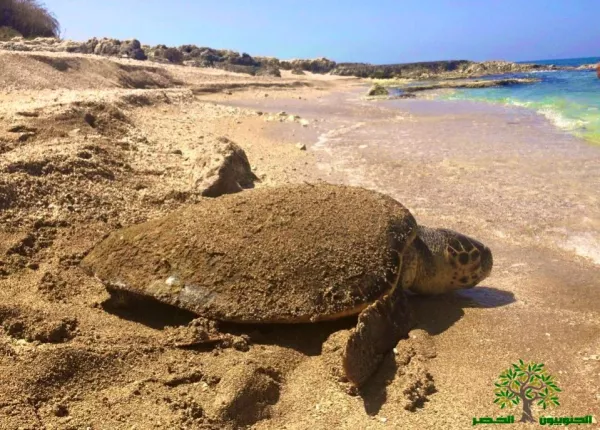
Al-Abbasiya Beach is one of the most distinctive coastal ecosystems in South Lebanon due to its complex environmental structure and high biological diversity. The site spans approximately three hundred hectares in the Tyre District and includes the coastal strip, natural dune formations, wetland areas, and adjacent marine waters. It forms a natural ecological extension of the Tyre Coast Nature Reserve and contains areas classified within the public maritime domain and state-owned coastal lands. The beach hosts one of the last semi-intact dune systems in Lebanon. These dunes stabilise the shoreline and create critical nesting habitats for endangered marine turtles such as the green turtle Chelonia mydas and the loggerhead turtle Caretta caretta. The dunes are ecologically linked to a wetland system fed by the seasonal flow of the Abu Zabli River, which enhances ecological dynamism and supports multiple habitat functions.
Geomorphology and Hydrology
Surface layers consist of recent sediments including sand, silt, and clay, with a clear geomorphological transition from the coastal plain to the dune fields. Monitoring data indicate a surface water flow within the wetland moving from east to northwest. This flow shapes hydrological patterns that influence habitat distribution and stability. The presence of coastal hot springs adds a rare geological element to the site. These springs reflect unique water–rock interactions and require specialised study to clarify their ecological significance.
Plant Diversity
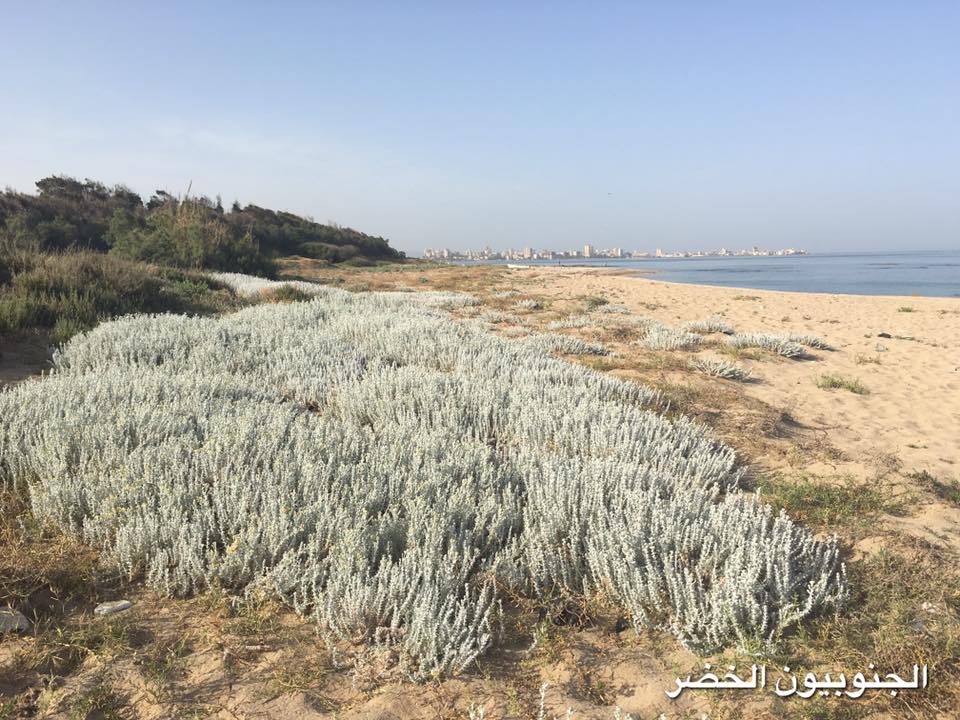
The beach hosts a rare and declining coastal vegetation community. Key species include the sea daffodil Pancratium maritimum, the Provençal reed Arundo spp, and a range of evergreen Mediterranean shrubs that stabilise the dunes and maintain their structural integrity. These plant communities support ecological functions that include dune fixation, habitat formation, and soil protection.
Animal Diversity
The site supports several mammal species, including the southern white-breasted hedgehog Erinaceus concolor, the red fox Vulpes vulpes, and the Arabian spiny mouse Acomys dimidiatus. The beach is also a major stopover along the eastern migratory flyway and hosts a broad range of resident and migratory bird species that rely on the coastal habitats for feeding and resting. Annual monitoring confirms regular nesting of Chelonia mydas and Caretta caretta, which underscores the ecological value of the site as a primary nesting habitat for threatened marine species.
Environmental Pressures
Al-Abbasiya Beach faces multiple pressures including unregulated urban expansion, encroachment on the public maritime domain, solid and liquid pollution, and biological invasions. Illegal fishing in nearby marine areas adds further stress. Climate change increases the site’s vulnerability through rising temperatures, altered species behaviour, and sea-level rise. These pressures highlight the need for a strong management framework supported by continuous ecological monitoring.
Green Southerners Vision
The Green Southerners Organisation adopts a scientific, habitat-based vision for conserving the natural systems of the southern coastline. Within this broader perspective, Al-Abbasiya Beach serves as a central model site due to the integrity of its dune system, the diversity of its habitats, and its importance for globally threatened species. In 2015 the association launched a systematic biodiversity and sea turtle monitoring programme, establishing the first scientific database for the site. This dataset, combined with habitat mapping and threat assessment, formed the basis of the association’s formal proposal to designate the area as a nature reserve.
Legal Pathway Towards Designation
On 25 August 2016 the association submitted a formal proposal to the Municipality of Al-Abbasiya requesting the designation of the site as a nature reserve. The municipal council approved the proposal on 13 December 2016. The association then submitted the scientific studies and documentation to the Ministry of Environment on 15 December 2016 (No. 6500/B) and provided an additional submission on 15 March 2017 (No. 1267) in coordination with the municipality. In the 2017 season the association launched the first structured monitoring programme for turtle nesting, strengthening the scientific evidence supporting national recognition of the site. The process culminated with the issuance of Law 170 on 8 May 2020, officially declaring Al-Abbasiya Beach a nature reserve under Protected Areas Law 130.
Management Structure
The reserve is organised into three management zones.
- The Core Area: Includes the dunes, nesting sites, and coastal hot springs and is subject to strict protection due to its ecological sensitivity.
- The Managed Area: Accommodates controlled environmental and educational activities.
- The Buffer Zone: Extends three hundred metres around the reserve and aims to prevent unregulated urban expansion and to safeguard ecological continuity.
The reserve is overseen by a management committee composed of representatives of the Ministry of Environment, the municipality, scientific experts, and environmental organisations.
Ecosystem Services
Al-Abbasiya Beach provides key ecosystem services including dune stabilisation, biodiversity conservation, and hydrological support to nearby agricultural lands. The site also offers opportunities for environmental education, scientific research, and future development of sustainable eco-tourism. These functions reinforce the reserve’s role within the Green Southerners’ long-term strategy to protect and sustainably manage the southern Lebanese coastline.
Related Posts
-
 Natural Reserves
 -
-large.webp) Natural Reserves
Natural Reserves