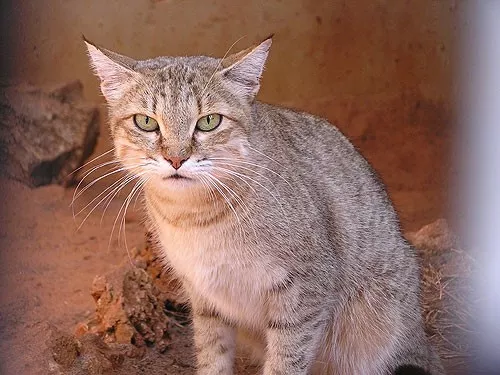
Wild Cat (Felis silvestris tristrami)
Wild Cat
Scientific name: Felis silvestris tristrami
Field note:
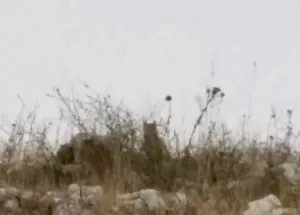
The Green Southerners team documented a Wild Cat in South Lebanon on 8 September 2018. This record is the second confirmed activity site for the species in the region. It shows that the Wild Cat still persists despite rare and scattered observations. The record highlights the need to protect the natural habitats that support this species.
Conservation status and assessment year:
Least Concern (LC). Global assessment 2015 with a 2023 amendment. Its presence in Lebanon is rare and intermittent.
Habitat and distribution:
The Wild Cat occurs across Europe, Asia, and North Africa. In Lebanon it uses woodlands, rocky valleys, mountain forests, and dense vegetation. Local observations appear at long intervals due to shrinking habitats and increased pressure on natural areas.
Diet:
Rodents, small birds, reptiles, invertebrates.
Ecological role:
It regulates rodent numbers, keeps small bird and reptile groups balanced, and supports stable food webs in natural habitats.
Threats:
The species faces habitat loss, habitat fragmentation, hybridisation with domestic and feral cats, road kills, and disease transmission from other cats.
Latest Updates
Related Posts
-
_4-large.webp) Invertebrates
Invertebrates -
 Invertebrates
 -
 Aquatic Species