Tyre Coast Nature Reserve
Tyre Coast Nature Reserve
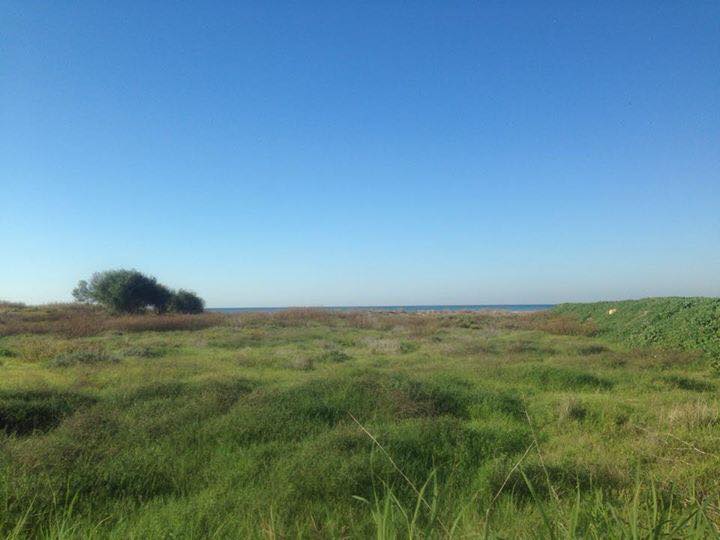
The Tyre Coast Nature Reserve is located in the southern part of the city of Tyre. It consists of one of the most beautiful sandy beaches in Lebanon and represents the largest remaining sandy shore in the country, which justifies the efforts to preserve it.
The reserve was declared a natural protected area by Law No. 708 in 1998, which established the “Tyre Coast Nature Reserve” in the Ras El Ain area. The land is owned by the Lebanese state and managed under the supervision of the Ministry of Environment.
Locally, the reserve includes important freshwater resources. The site’s uniqueness comes from the presence of natural springs, streams, and historical wetlands located only a few meters from the sea, creating a brackish water environment. These water sources play a vital role in the life of the local community, providing irrigation for vast agricultural lands.
On a broader scale, the site holds significant aesthetic and recreational value due to its open rural landscape and the uninterrupted horizon of its long sandy shore.
These elements form a mosaic of habitats, including the only coastal dunes in Lebanon with their unique vegetation and water bodies, in addition to a wide sandy beach that attracts nesting by two globally endangered species of sea turtles: the Loggerhead Turtle (Caretta caretta) and the Green Turtle (Chelonia mydas). The natural diversity of the reserve arises from the combination of several major ecological systems — sand dunes, freshwater habitats, and agricultural lands — within a small area of just 3.8 km².
The Tyre Coast Nature Reserve also holds great archaeological value, as it forms part of the ancient city of Tyre, designated a UNESCO World Heritage Site in 1984. Tyre is one of the world’s richest cities in cultural heritage, serving as a crossroads for many civilizations: Phoenician, Roman, Greek, and Byzantine. This ancient city gave the world the alphabet and the concept of currency and contains many archaeological treasures, including the old city and its markets. The oldest remains found in Ras El Ain, Tell El Rashidieh, and ancient Tyre date back to 5000 BC.
Finally, in addition to being an important nesting site for globally threatened sea turtle species, the Tyre Coast Nature Reserve lies on one of the most significant bird migration routes in the world. Hundreds of thousands of migratory birds use its wetlands as a resting stop on their journeys between Eastern Europe and Africa. This earned the reserve its designation as a Ramsar Site (Wetland of International Importance) in 1999, and it is currently being studied for potential listing as an Important Bird Area (IBA).
Related Posts
-
 Forests and Woodlands
 -
 Forests and Woodlands
 -
 Coastal and Marine Habitats