Introduction Walk to Protect Wadi Zibqin
Introduction Walk to Protect Wadi Zibqin… Steps Toward Declaring It a Nature Reserve
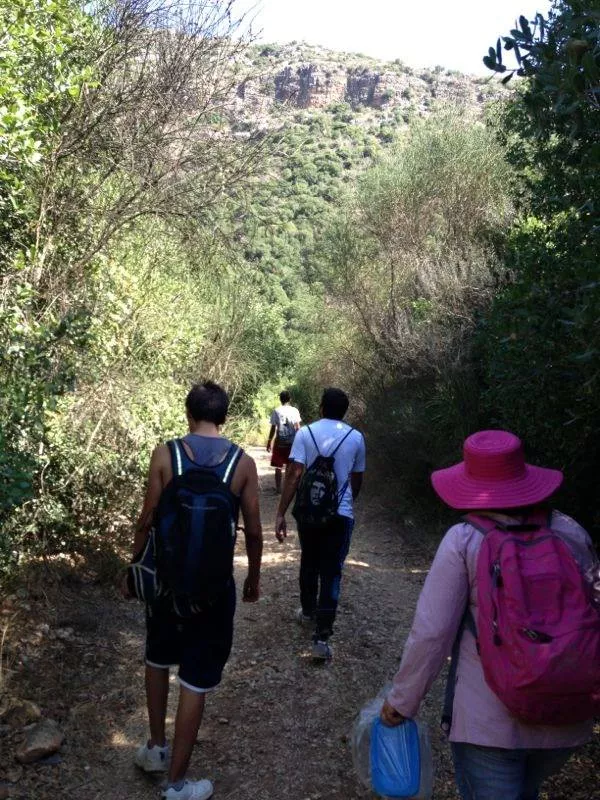
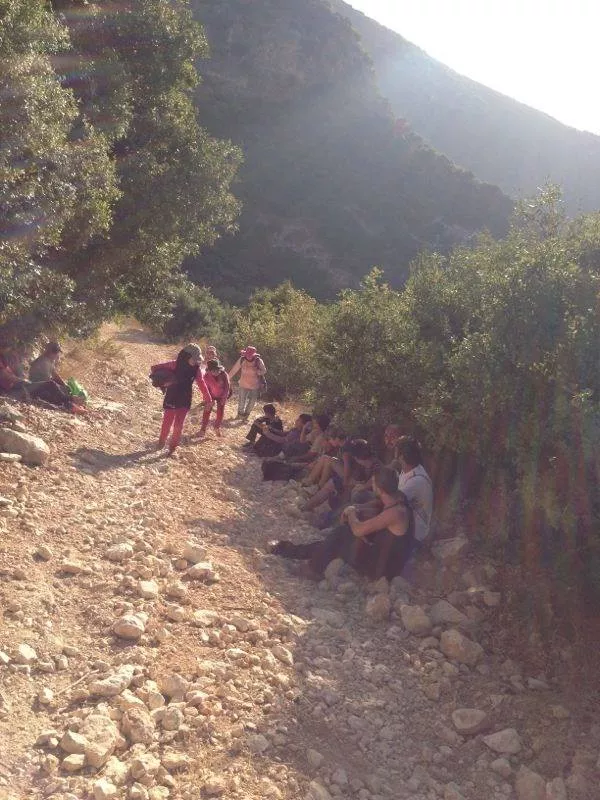
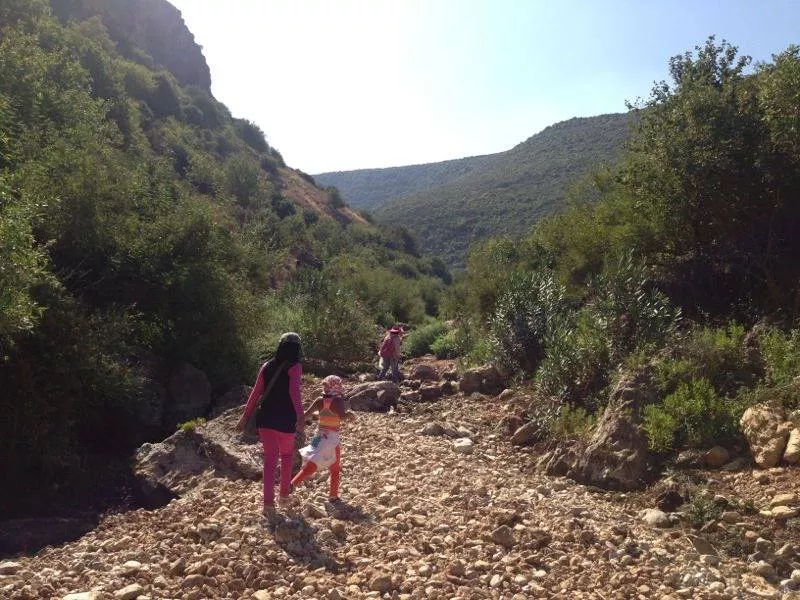
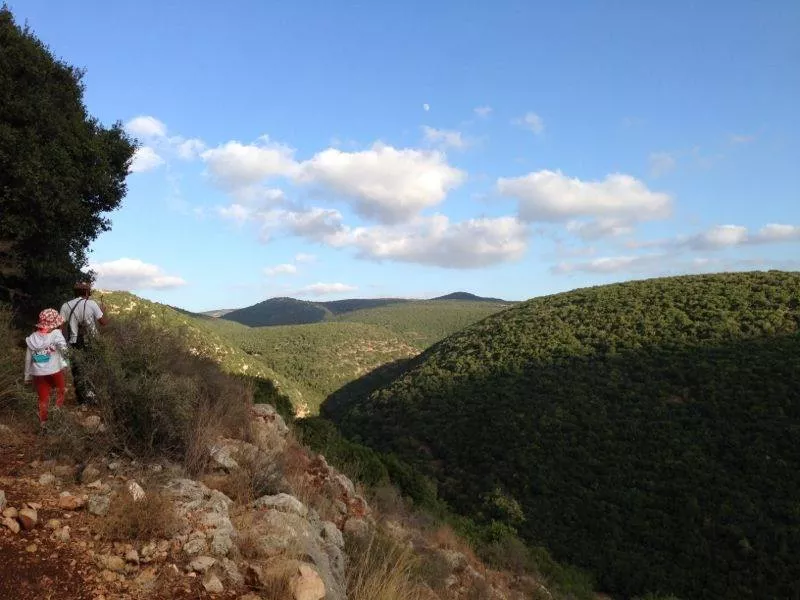
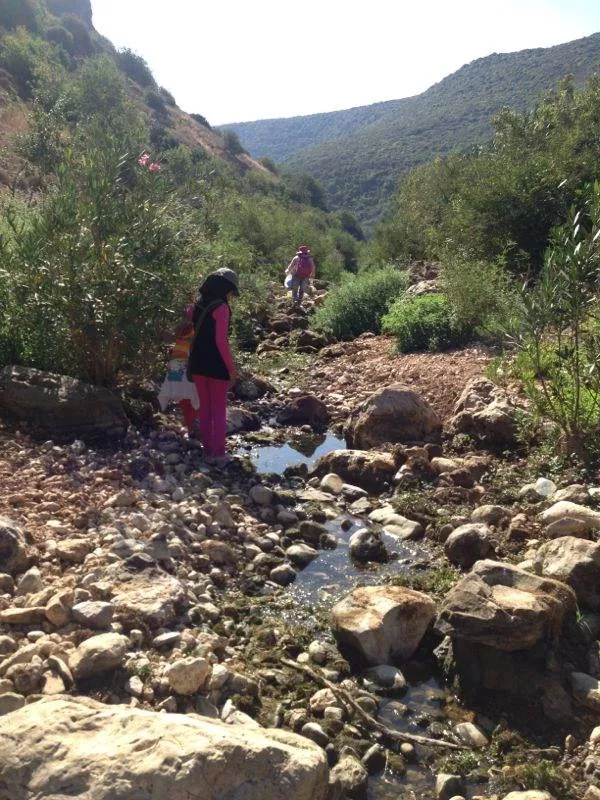
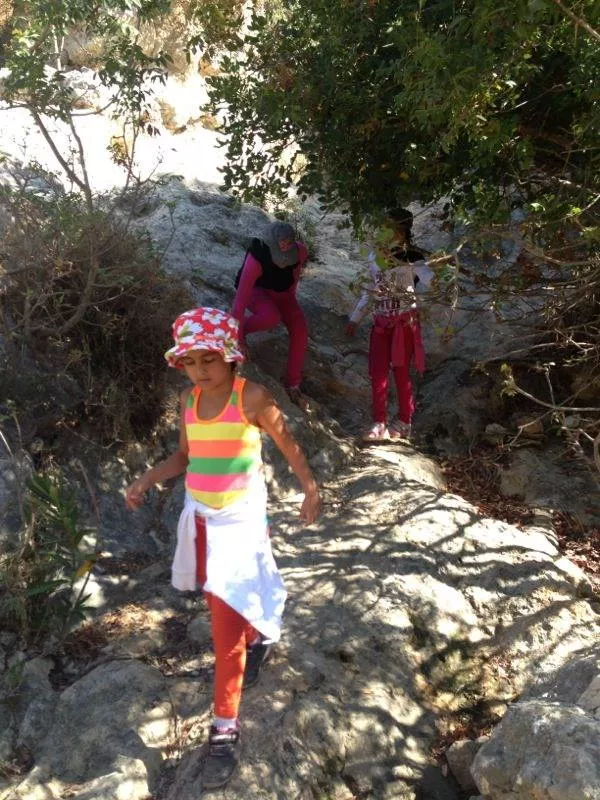
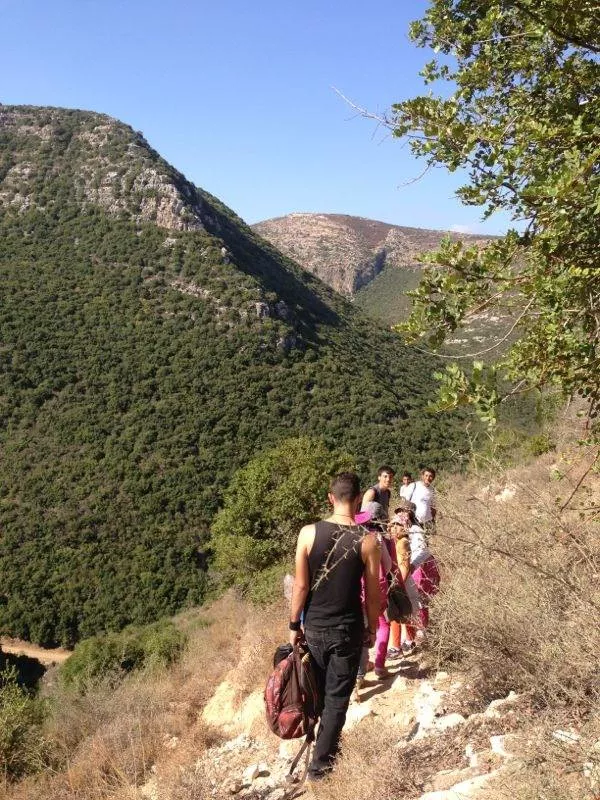
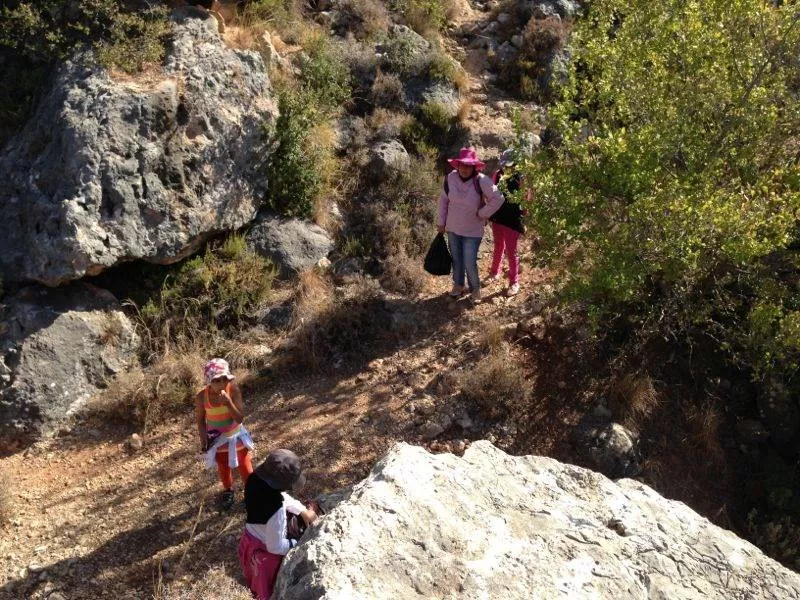
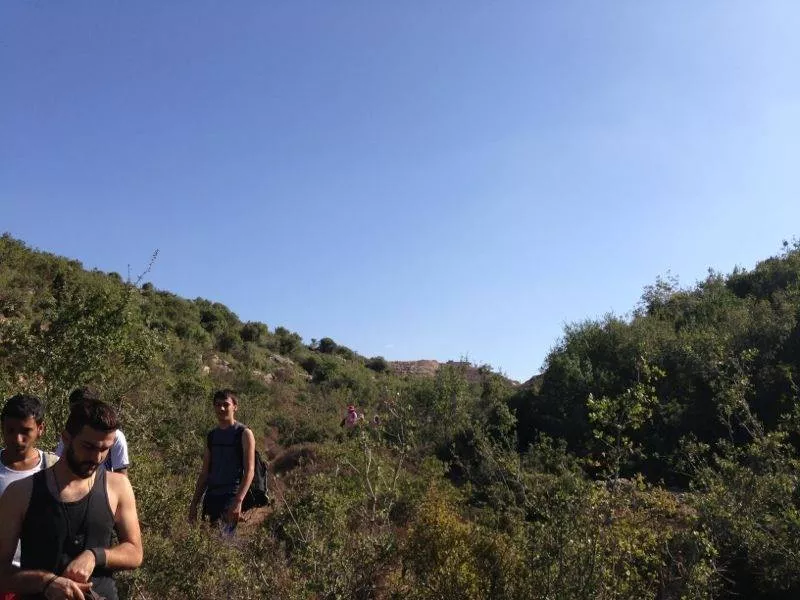
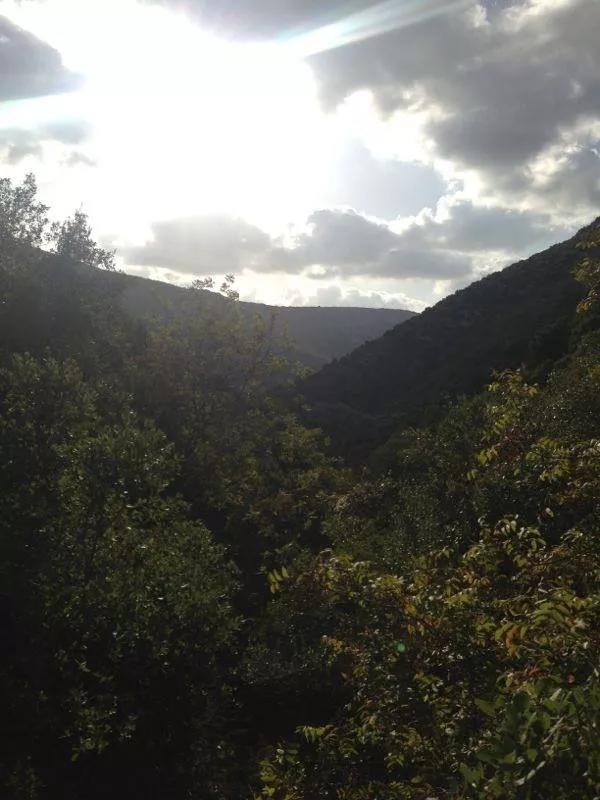
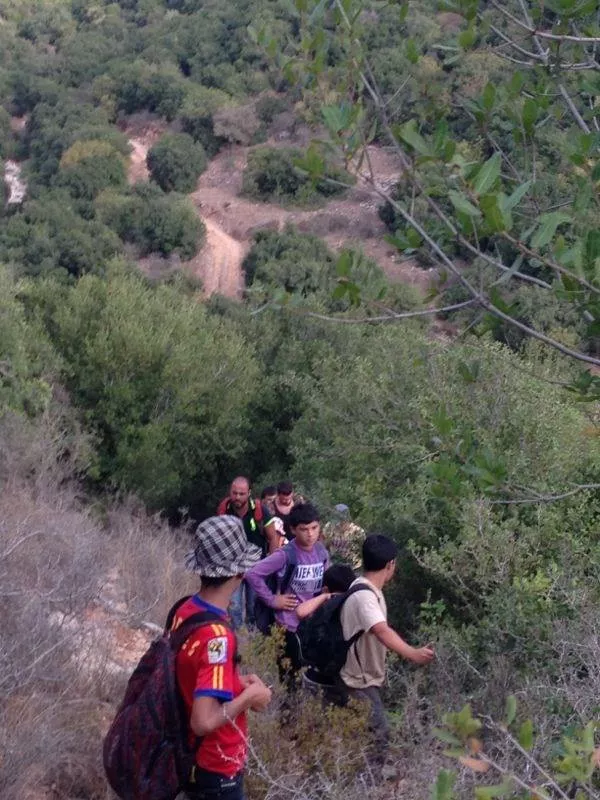
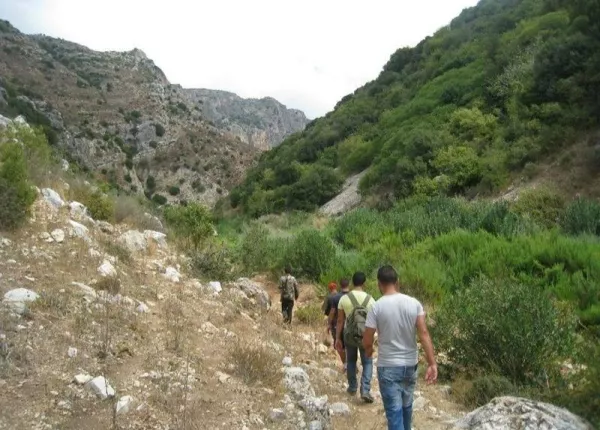
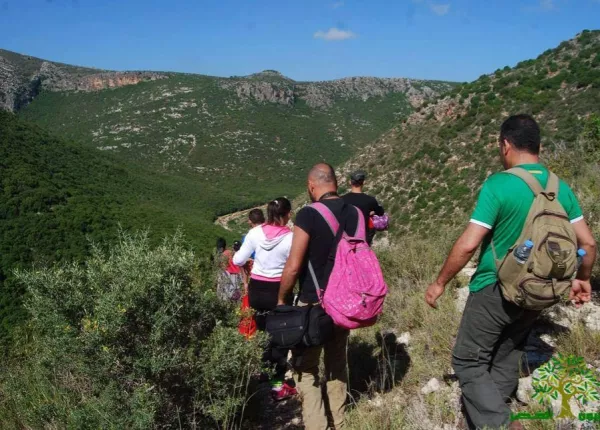
The Southern Greens walked, green as they have always been, along the trails of Wadi Zibqin in an open invitation to explore and protect one of Lebanon’s most beautiful areas, a place still unknown to most Lebanese and even to some southerners.
Twenty-two young participants (aged 13–29), both males and females, walked together. The route began in the town of Zibqin, the valley’s close neighbor and long-time companion. Participants came from several southern regions, in addition to Zibqin — a town whose history, customs, poetry, and writers have always been closely tied to this valley.

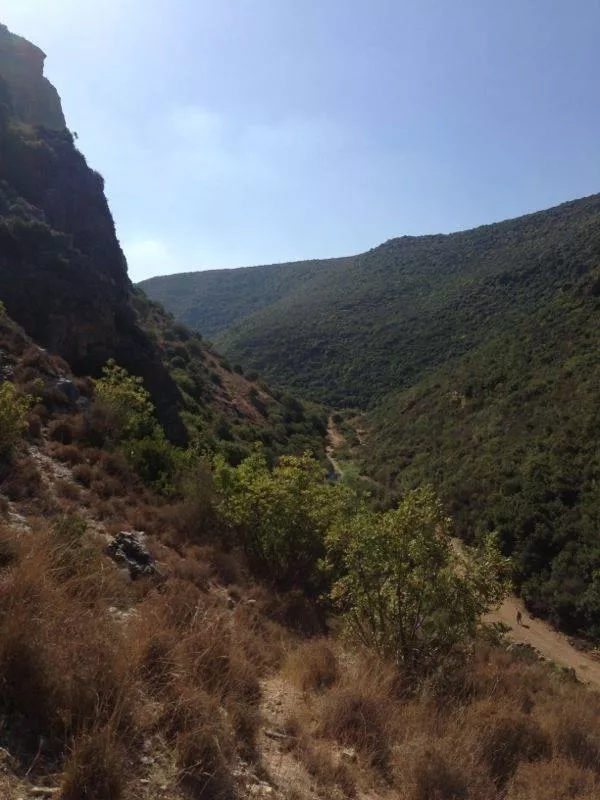
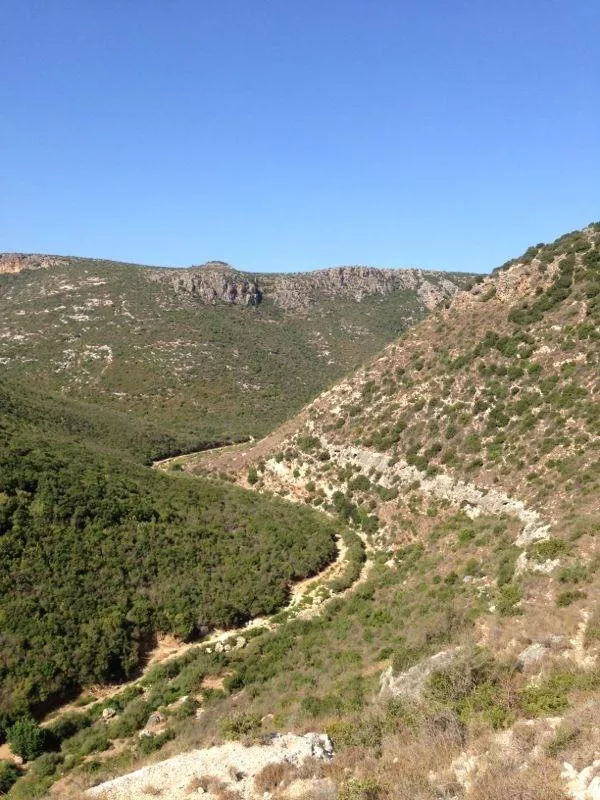
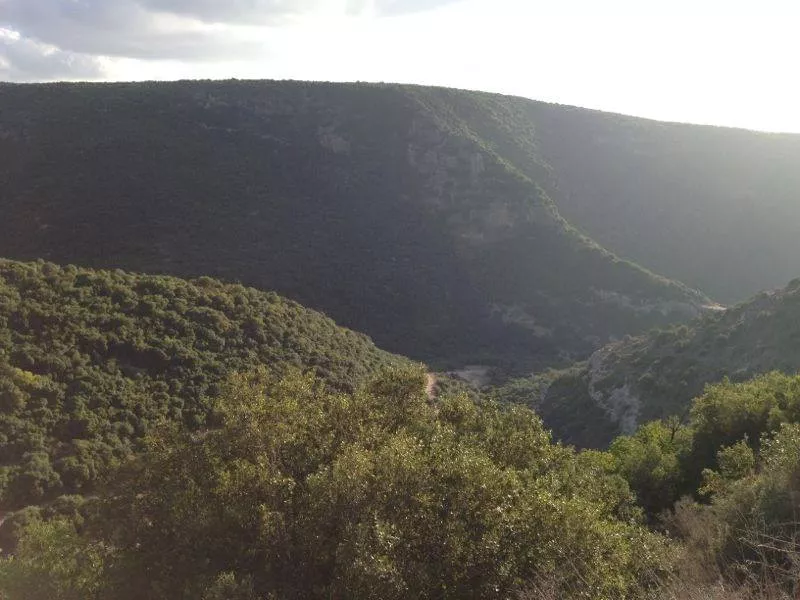
The valley stretches across several kilometers, starting from Wadi Al-Azziyeh in Haniyeh to the south, extending toward Al-Qulayleh where parts of it fall within its municipal lands, and reaching Al-Mansouri, then rising toward Yater, passing through Ramia and Majdal Zoun, which form its northern boundaries. Zibqin forms its western boundary and overlooks it. Eastward, it extends toward Shayhin, the outskirts of Al-Jibeen, and reaches Shaamaa and Marwahin until it touches the borders of occupied Palestine. From there, it connects with forests extending south toward Alma Al-Shaab and Naqoura.
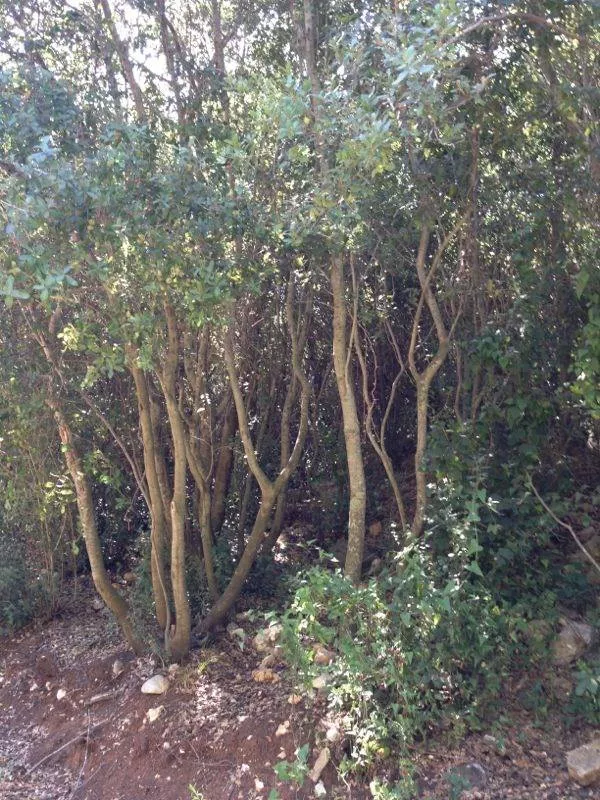
During the walk, the Green Southerners recorded some of the tree species found in the valley: oak, pistachio, spurge, germander, carob, poplar, oleander, and andole. Many animals also live in the valley: wild boars, foxes, hyenas, porcupines, badgers, and various rodents. Birds are common as well, including wild doves, sparrowhawks, and falcons.
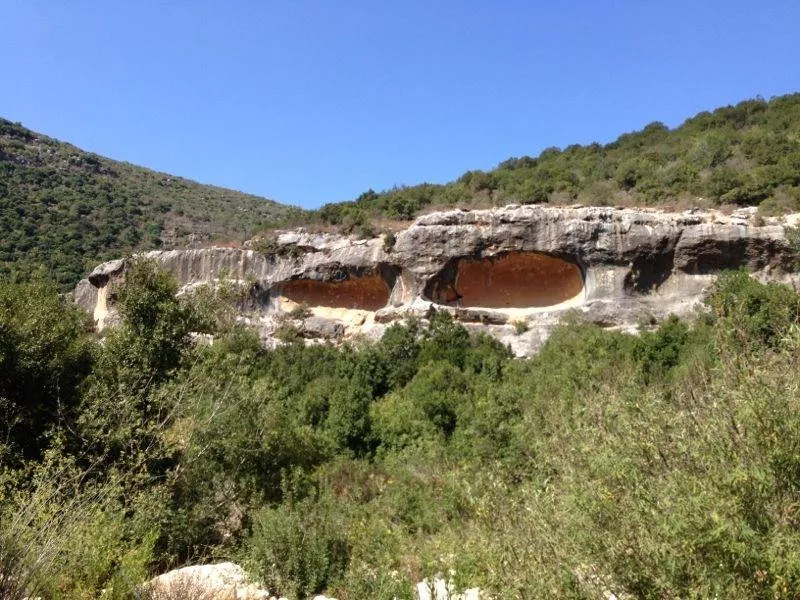
The valley spans a vast area across several square kilometers and is known for its terrain rich with natural caves and grottos, the most famous being Al-Mughur and Abu Zreiq caves. Freshwater springs are also found there, including Al-Dalfeh — named after the way its water seeps from the rock. Several small rivers and water streams flow through the valley, the most notable being Al-Azziyeh, Wadi Al-Nafkha, and Ain Al-Tineh.

With this remarkable diversity, the valley forms a unique and complete ecological system that still preserves all its natural characteristics.
The valley also contains numerous ancient rock basins, indicating past human activity that has not yet been fully studied. The most famous of these is known among Zibqin residents as Jurn Bazee‘.
Challenges Facing the Valley:
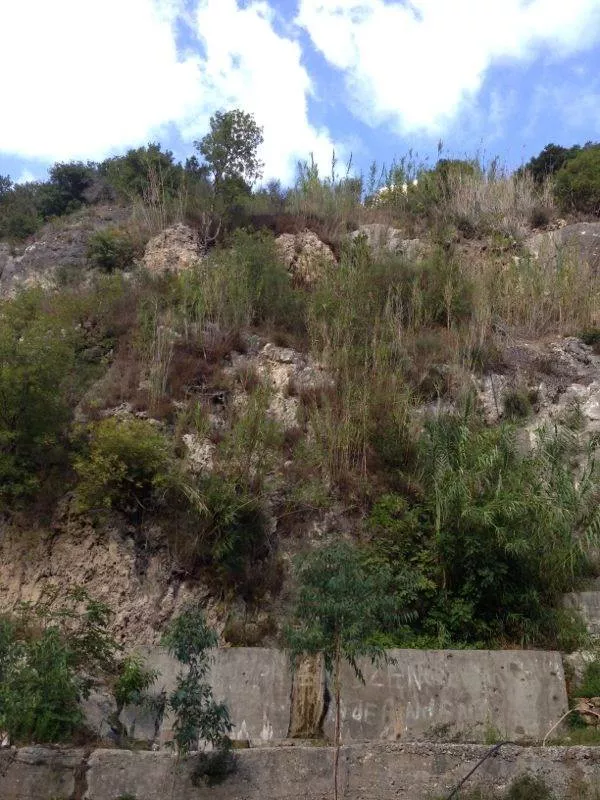
- Quarry permits granted within the valley, with two quarries already operating on its edges (in Al-Azziyeh and Zibqin).
- Encroachments on public lands in areas bordering the valley.
- Dumping of waste by some municipalities on their outskirts, as well as litter left behind by visitors to Wadi Al-Azziyeh — pollution that risks causing fires, especially due to discarded glass bottles.
- Presence of visible but unexploded cluster bombs remaining from the July 2006 war.
All these issues place responsibility on the municipalities overlooking the valley to act urgently to protect it and take the necessary measures to declare it a national nature reserve. Such a declaration would safeguard this unique ecological gem on Lebanon’s southern coastline and offer one of the best possible investments in natural and cultural heritage. For our part, we will continue working toward achieving this goal.
Thanks to everyone, young men and women, who participated and responded to our invitation.
Well done, and may you stay safe.
Photos and information provided by the hike supervisor and Green Southerner coordinator, Engineer Wassim Bzeih.

Related Posts
-
Activities
The Green Observatory
brief
-
 The Grey Wolf Club
 -
 The Grey Wolf Club