Migratory Bird Protection Project
Launched by Green Southerners in 2018
Project Overview
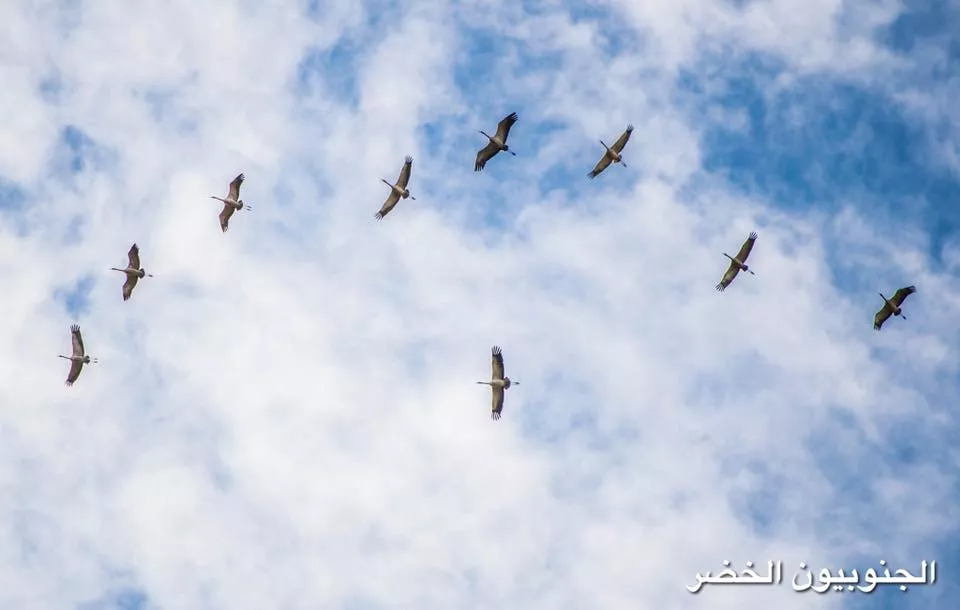
The Migratory Bird Protection Project was launched in 2018 to monitor migration dynamics across South Lebanon and adjacent regions, and to identify key zones used by birds as flyways or stopover habitats. The project applies standardized field methodologies, including direct visual counts, species documentation, and spatial-use assessments during the spring and autumn migration seasons. The resulting datasets support evaluations of habitat conditions and species responses to environmental pressures.
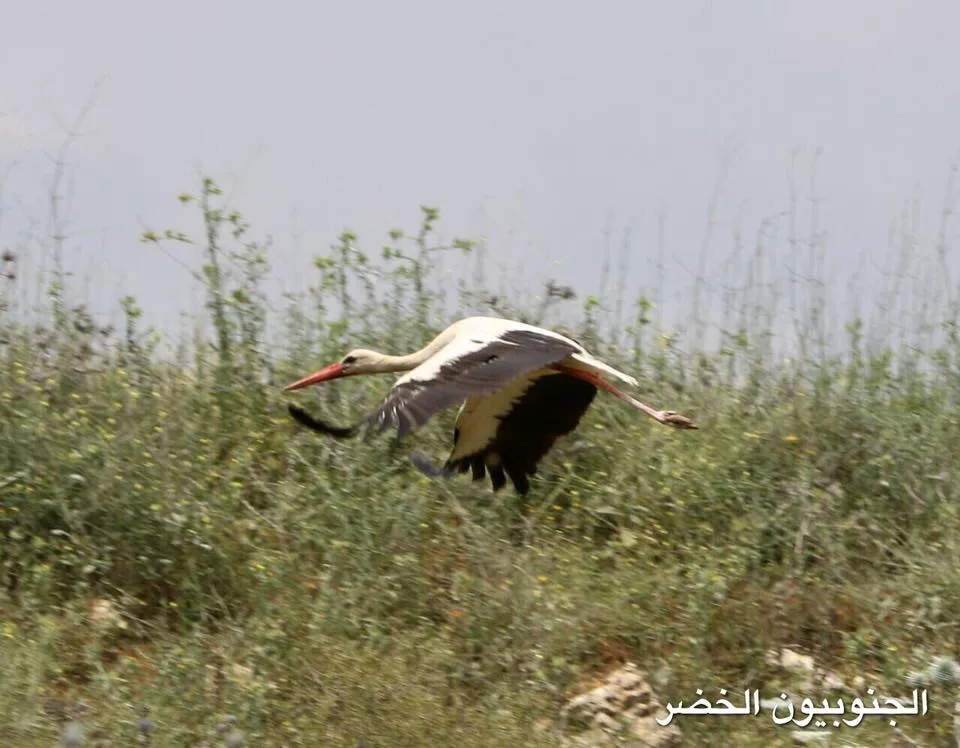
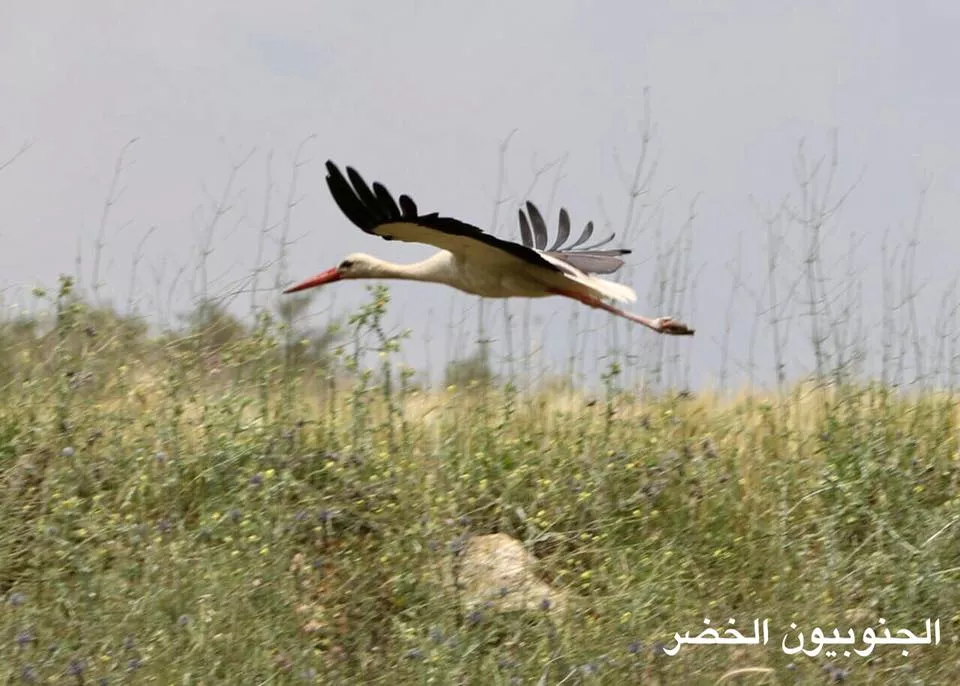
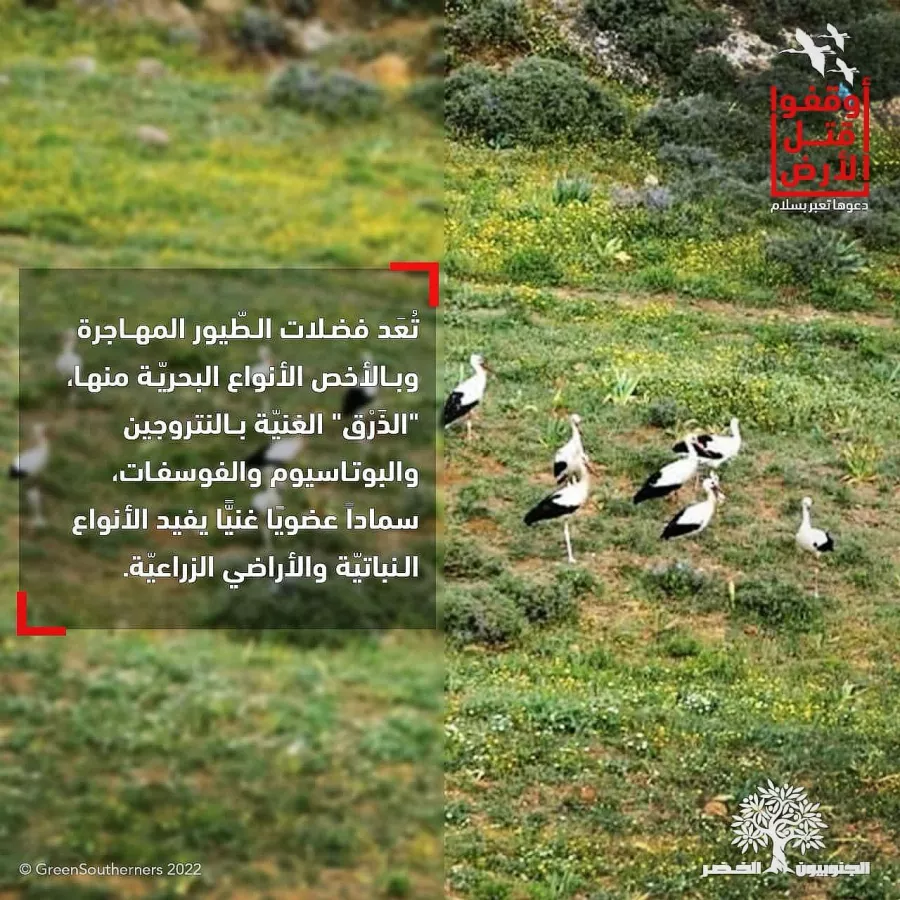
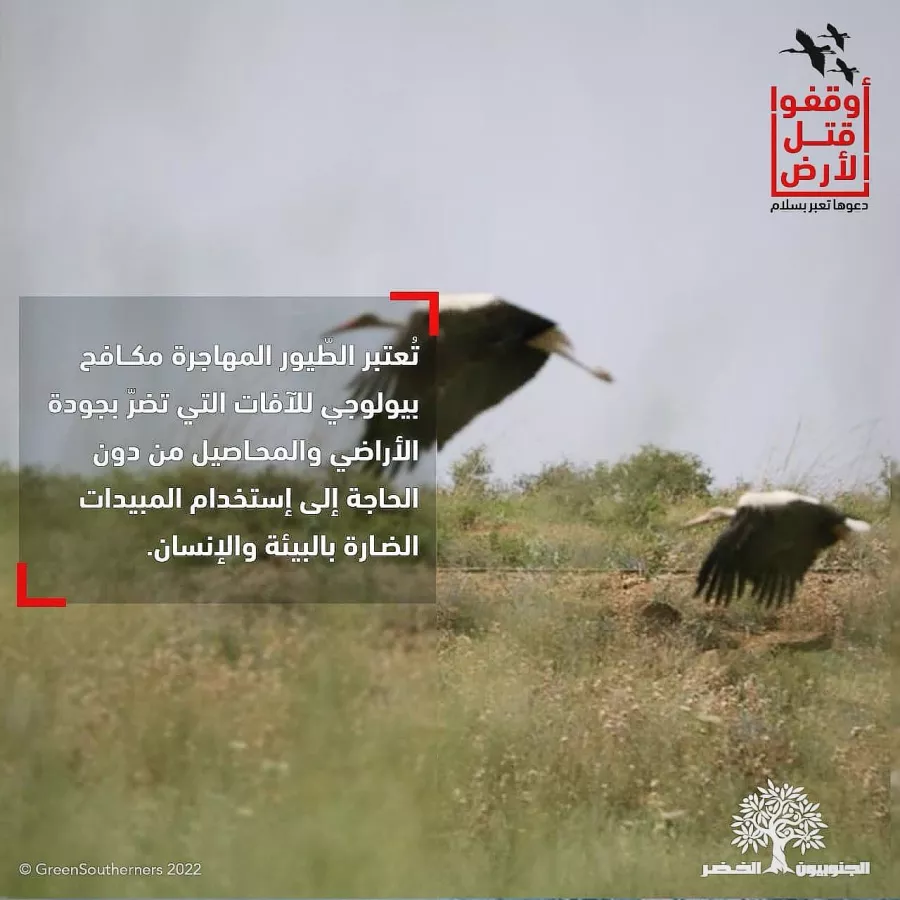
The project adopted the White Stork as its emblem, given its prominence as one of the most frequent migratory species crossing Lebanon and its recurrent dependence on stopover habitats in South Lebanon.
Monitoring and Threat Assessment
The team monitors direct and indirect threats to migratory birds, including illegal hunting, intentional killing, vegetation degradation, and disturbance linked to expanding urban areas and various human activities. Field observations are used to track species activity patterns, spatial distribution, and ecological functions. The project also collaborates with municipalities to identify stopover sites and provide guidance on managing open areas used by birds for resting and feeding.
Rescue and Rehabilitation Activities
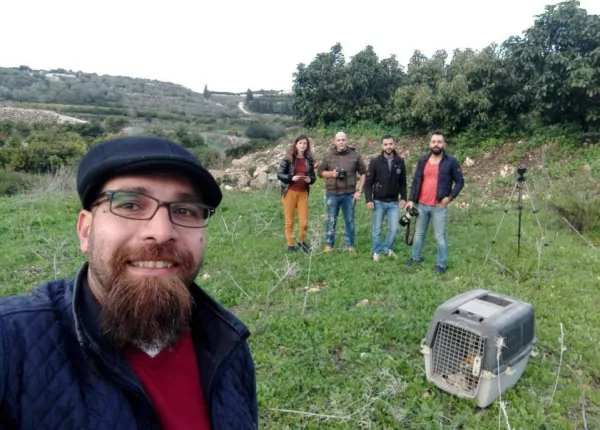
The Green Southerners team intervenes when injured migratory birds are found in the field. The team provides treatment and rehabilitation before releasing birds into suitable natural habitats. This intervention forms an essential part of the project’s response to acute pressures affecting birds during their migration cycles.
Impact of the 2023–2025 Israeli Assault
During the Israeli assault between October 2023 and 2025, and the use of white phosphorus, the project conducted targeted monitoring to assess the impacts of pollution, smoke, and fires on migration routes and stopover habitats that sustained significant ecological damage. The team recorded shifts in the activity of several species within the most affected areas. These observations provide preliminary indicators pointing to the sensitivity of migration pathways to conflict-related environmental disturbances and highlight the need for further scientific investigation.
Scientific Outreach and Community Engagement
The project includes scientific outreach activities directed towards schools and local communities, in addition to publishing data through digital platforms to raise awareness of the ecological importance of migratory birds. These activities contribute to a broader scientific understanding of the role of migratory birds in maintaining ecosystem stability and the need to protect their routes.
Future Development
Green Southerners aims to further develop this initiative into a national reference for the study of migratory birds in Lebanon. The project seeks to support the formulation of conservation policies grounded in accurate scientific data and responsive to pressures affecting species and critical habitats.
Related Posts
-
 Projects
 -
 Rescue and Rehabilitation
 -
 Rescue and Rehabilitation