Litani River
Green Southerners
Litani: Our Natural Heritage and the River of the People
The Litani River is Lebanon’s largest and most important river, and one of its key life arteries. Its course stretches for about 170 km, with an estimated annual flow of around 750 million cubic meters, of which approximately 265 million cubic meters are used to irrigate the South. However, poor water resource management has deprived the river of essential natural flows, leading to the drying of long sections of its course, especially south of Qaraoun Dam and near its mouth in Qasmiyeh, in clear violation of the globally recognized principle of environmental flows.
The river basin is an exceptionally rich ecosystem that hosts a wide variety of flora and fauna. It is home to fish species and aquatic plants, as well as amphibians and reptiles such as freshwater turtles. The basin also serves as a major habitat for small mammals like hedgehogs, hyraxes, and Eurasian badgers. Additionally, it holds special importance as a resting and breeding site for many migratory waterbirds such as wild ducks, storks, and herons, as well as birds of prey migrating between Europe and Africa.
Over the past decades, the river and its basin have suffered severe violations. Factories were built along its banks, discharging waste directly into its waters, while many villages diverted their sewage networks straight into the river. As pollutants accumulated, both Qaraoun Lake and the river’s course turned into dangerous hotspots of contamination, with serious environmental, health, and social repercussions.
In recent decades, aggressions against the southern section of the river (south of Qaraoun Lake) — which was relatively less polluted — have also increased. Sand quarries multiplied along its banks and used its waters for washing sand, leading to massive sediment deposits that altered the natural rocky-gravel structure and wiped out aquatic life in many areas. In addition, sewage from several towns, random dumpsites, and poultry farms have raised pollution levels to unprecedented heights.
These degradations have not only harmed the environment but have also directly affected local communities — through polluted irrigation water, the collapse of the fish population, and the decline of tourism activities in cafés and resorts that once flourished along the riverbanks.
In response, Green Southerners Association has given special attention to the Litani issue. The association organized repeated campaigns against illegal sand quarries in the Reihan area and submitted formal complaints to the Ministry of Environment. It also actively participated in the National Campaign to Save the Litani, held meetings with mayors to push for enforcement against violations, and issued public statements firmly rejecting illegal exploitation of the river basin.
On November 1, 2016, the association launched the “Environmental Guidelines for Tourist Establishments Along the Litani River,” aiming to highlight the environmental and health challenges surrounding the river and to set guiding standards for tourism facilities in its vicinity — ensuring the protection of the ecosystem and the safety of public health. The document was distributed to municipalities along the river to be adopted in their local policies.
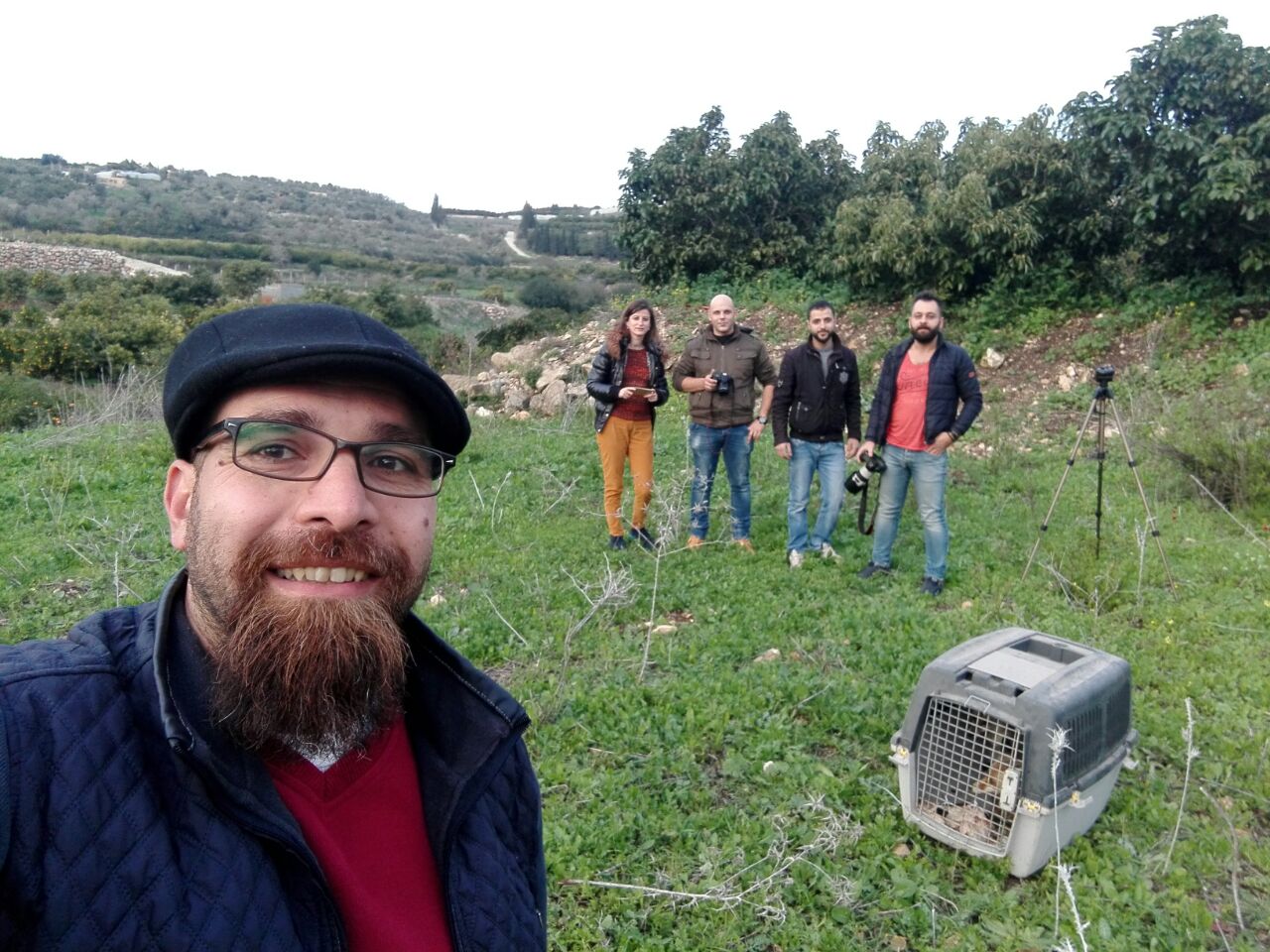
The association also worked, in cooperation with the Litani River Authority, to reintroduce several wild bird and animal species into the river basin — including barn owls (Tyto alba), little owls (Athene noctua), little bitterns (Ixobrychus minutus), and red foxes (Vulpes vulpes) — as part of efforts to restore the river’s role as a natural habitat and help reestablish ecological balance in the area.
In this context, the association commends the responsible efforts of the National Litani River Authority, which since 2018 has implemented a plan to remove encroachments and prosecute violators, thereby improving the chances of protecting and restoring the river, especially along its lower course.
In June 2020, Green Southerners recorded field indicators showing the ecosystem’s positive response to anti-pollution efforts. Signs of gradual recovery began to appear in the lower Litani basin. The association documented a rare observation of the stone marten (Martes foina syriaca) in the Nabatieh area, and in January 2022, colonies of the rock hyrax (Procavia capensis) were documented along the riverbanks — further evidence of biodiversity returning and ecological balance being restored around the Litani.
The association considers that protecting the Litani River is not only an environmental issue but also one of national water and food security. The river irrigates vast agricultural lands, contributes to food production, provides a vital source of energy and irrigation, and directly impacts people’s health and daily lives. Restoring the Litani’s vitality is essential for enhancing social and economic stability throughout its basin and for ensuring future generations’ right to clean and sustainable natural resources.