The Red Fox (Vulpes vulpes)
Red Fox
Scientific name: Vulpes vulpes
Field note:
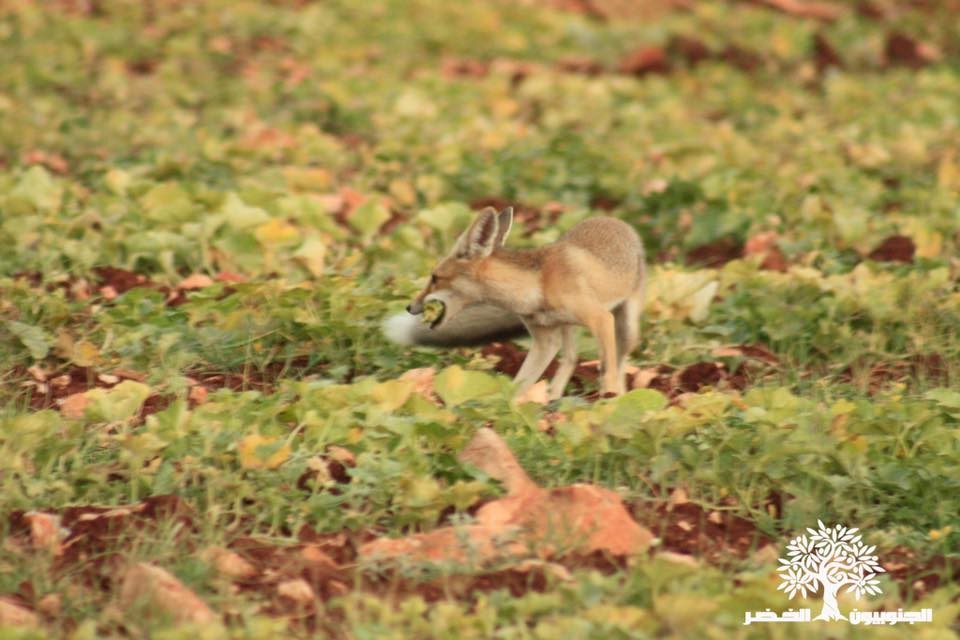
The team documented regular Red Fox activity across southern areas, including the edges of towns. The species regulates rodent numbers in farmland. Since 2017 the association has encouraged farmers to avoid traps. Families responded to this guidance. The association now keeps a list of families that protect fox dens on their land or near their homes, provide safe space, and avoid interference. The association rescued many foxes during recent years. The largest rescue involved four foxes at once. All rescued foxes received treatment, full care, and the required vaccinations before release, following the protocol applied by the association to every animal it receives or rehabilitates. The association also carried out awareness campaigns in schools, on social media, and with municipalities to reduce random killing and improve public understanding of the species.
Conservation status and assessment year:
Listed as Least Concern (LC) under the 2016 global assessment. No recent quantitative data exist for Lebanon.
Habitat and distribution:
The Red Fox uses forests, farmland, mountains, and semi-dry terrain. It occurs across Europe, Asia, and North Africa. It is established in the Levant, including Lebanon, Syria, Palestine, and Jordan. It moves through light woodland and open valleys for hunting.
Diet:
The Red Fox takes small and medium prey. It eats rodents, birds, reptiles, insects, and fruits. It feeds on waste near villages and takes carrion when available. Its diet shifts with seasons and resource levels.
Ecological role:
It regulates rodent numbers and maintains balance among small prey in agricultural and forested areas. It reduces pest pressure and redistributes nutrients in natural systems.

Threats:
Road kills, conflict with farmers, habitat loss from expanding towns, accidental poisoning during rodent control, and random killing by hunters.
Latest Updates
Related Posts
-
_4-large.webp) Invertebrates
Invertebrates -
 Invertebrates
 -
 Aquatic Species