Golden Jackal (Canis aureus)
Golden Jackal
Scientific name: Canis aureus
Subspecies in Lebanon: Canis aureus syriacus (the Syrian subspecies)
Field note:
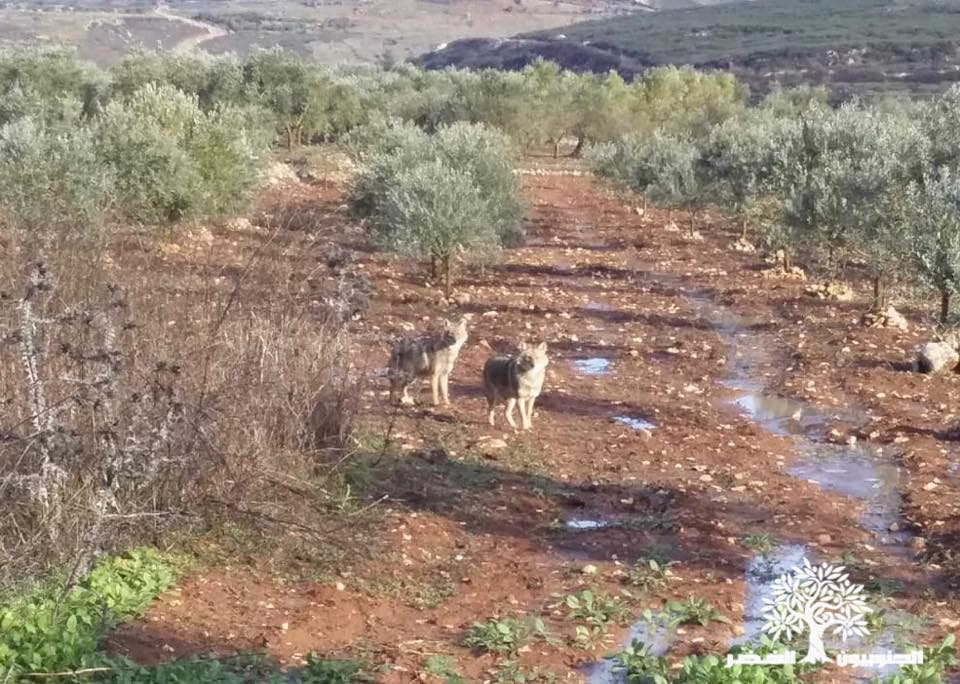
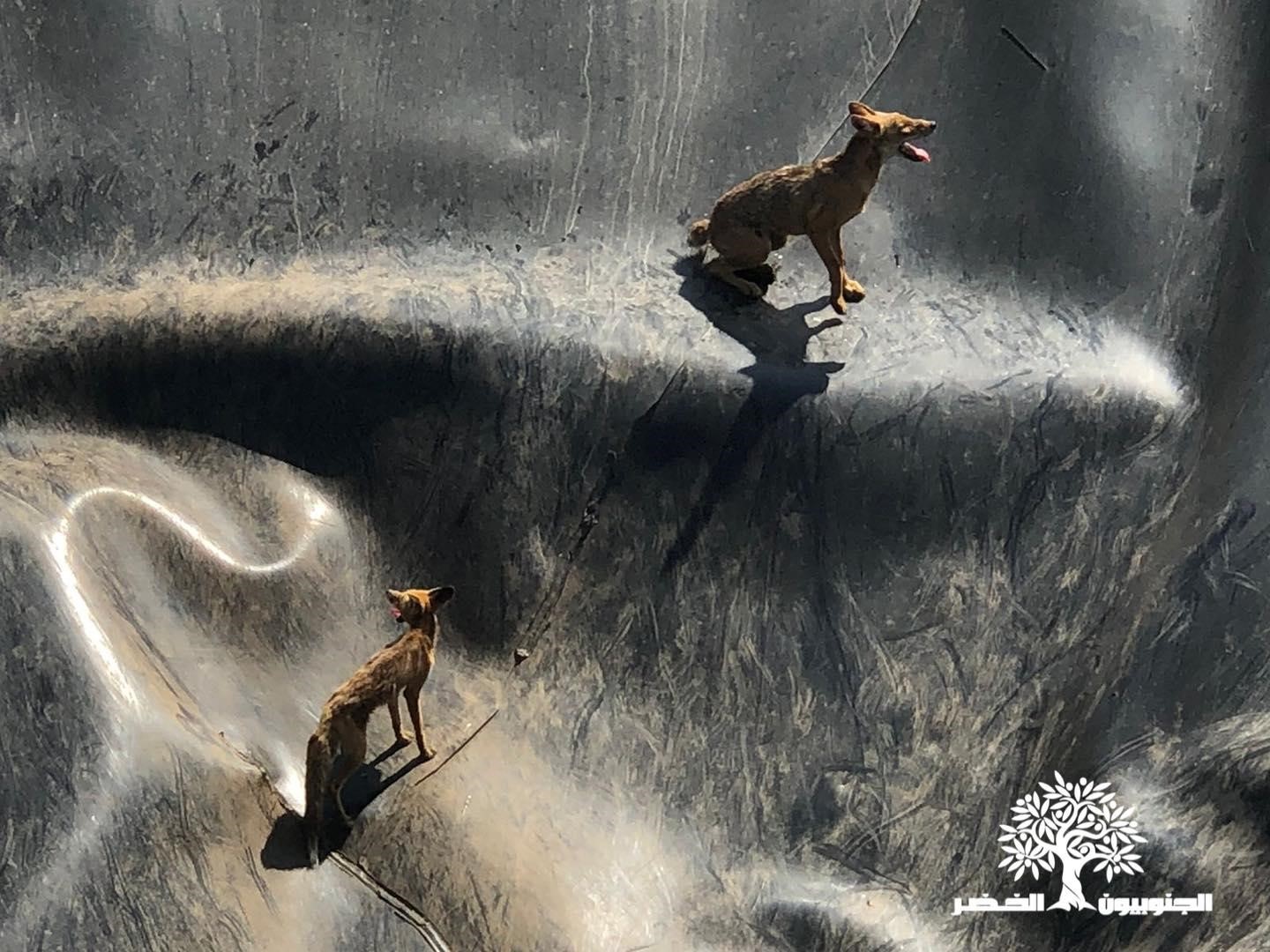
The Golden Jackal is one of the most active wild predators in Lebanon. In Lebanon it belongs to the Syrian subspecies Canis aureus syriacus, which occurs across the Levant, including Lebanon, northern Palestine, and southern Syria. The team documented groups up to nine, which is a high number for a species that usually appears in smaller family units. Observations remain intermittent but continuous in agricultural lands, valleys, and light woodland. The association carried out awareness campaigns and rescued individuals taken into captivity. All rescued jackals received treatment, full care, and required vaccinations before release under the association’s protocol. The association cooperated with local families in multiple villages to protect dens. Osama Farhat, killed by an Israeli strike, was one of the team’s most dedicated members and personally monitored one of the dens before his death.
Habitat damage:
Jackal habitats suffered severe damage during the recent Israeli assault on Lebanon. The forest corridor between Labouneh in Naqoura and Haraj al-Raheb in Aita al-Shaab was hit directly with various munitions, including intensive white phosphorus use. This caused vegetation loss, disrupted movement routes, and left long-term ecological impacts on soil and plant recovery.
Conservation status and assessment year:
Listed as Least Concern (LC) under the 2018 global assessment. No precise national data exist, but repeated records confirm its continued presence.
Habitat and distribution:
The species uses agricultural areas, woodland edges, valleys, and semi-dry terrain. It ranges from Eastern Europe and the Balkans to the Caucasus, the Middle East, and Central Asia. The Levant is one of its core regions, and it moves along light vegetation and valley systems during hunting.
Diet:
It feeds on rodents, small mammals, reptiles, ground birds, seasonal fruits, and human waste near villages when available. Its diet shifts with seasons and resource levels.
Ecological role:
It regulates rodent populations, maintains balance among small prey communities, and supports stable ecological dynamics in valleys and open landscapes. It contributes to nutrient cycling through scavenging.
Threats:
Major threats include repeated Israeli attacks on natural forests and habitat corridors and long-term white phosphorus effects on soil and vegetation. Conflicts with farmers continue to decline due to growing awareness of its ecological role. Other pressures include road kills, accidental poisoning during rodent control, and expanding urban edges that reduce open spaces.
Related Posts
-
_4-large.webp) Invertebrates
Invertebrates -
 Invertebrates
 -
 Aquatic Species