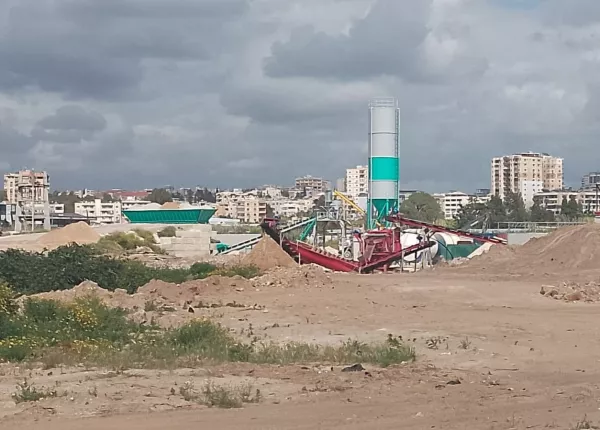
Civil Protest Meeting Rejecting the Ras Al-Ain Landfill and Proposed Burial
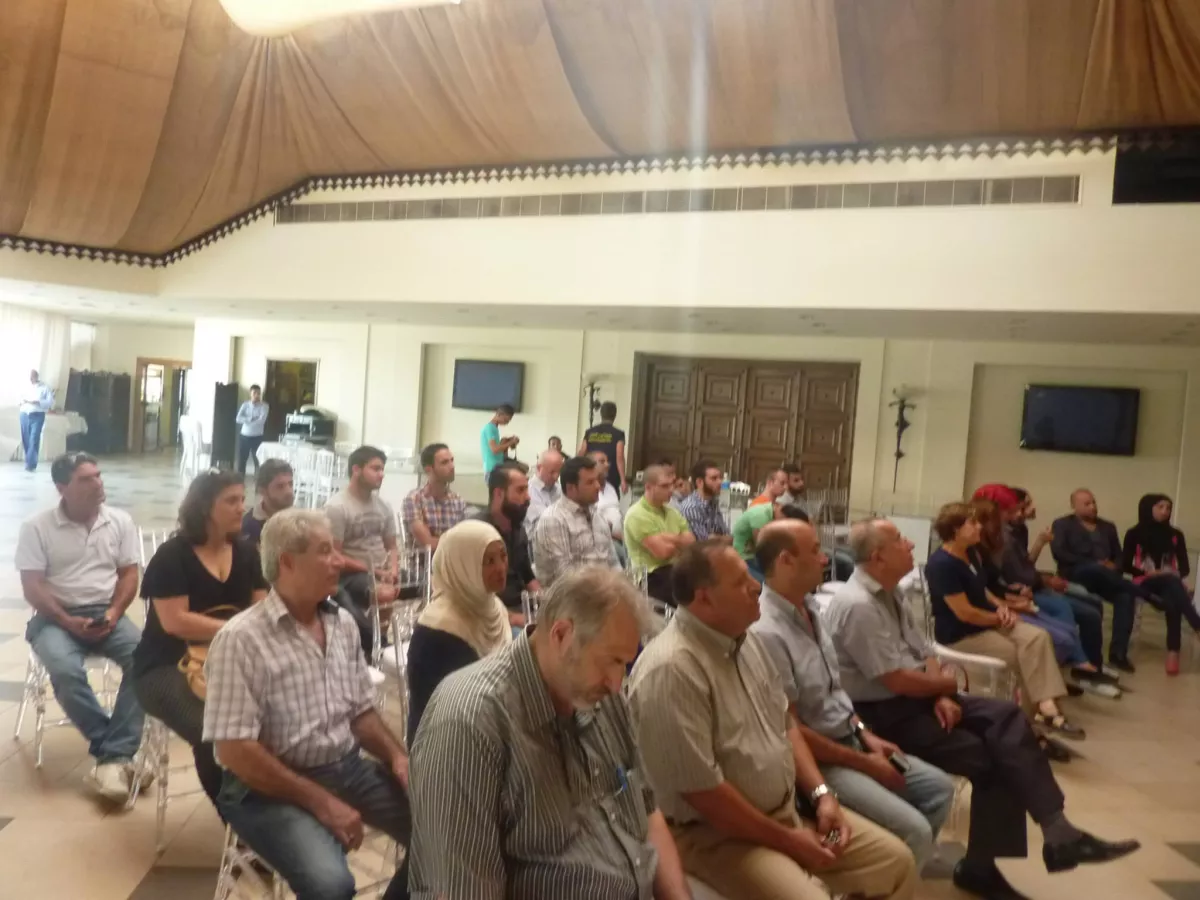
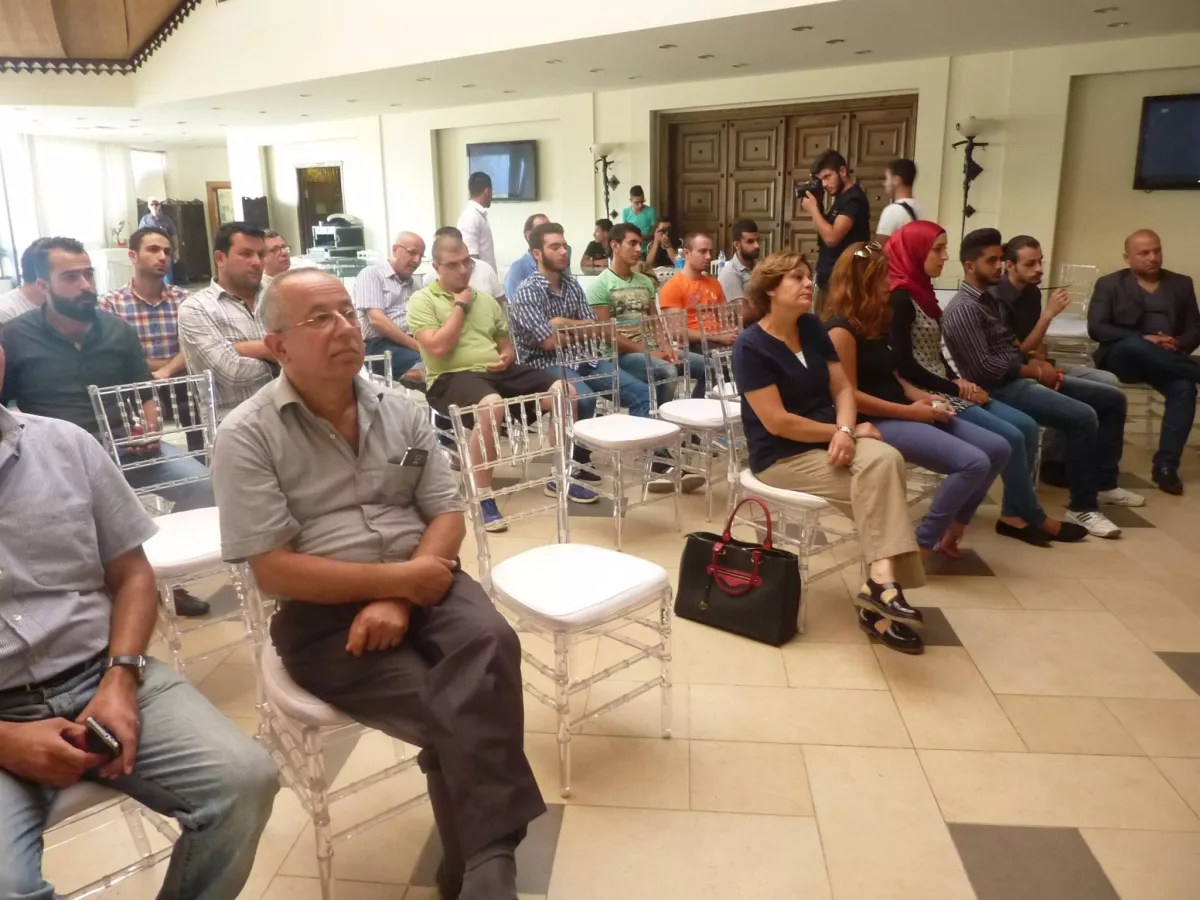
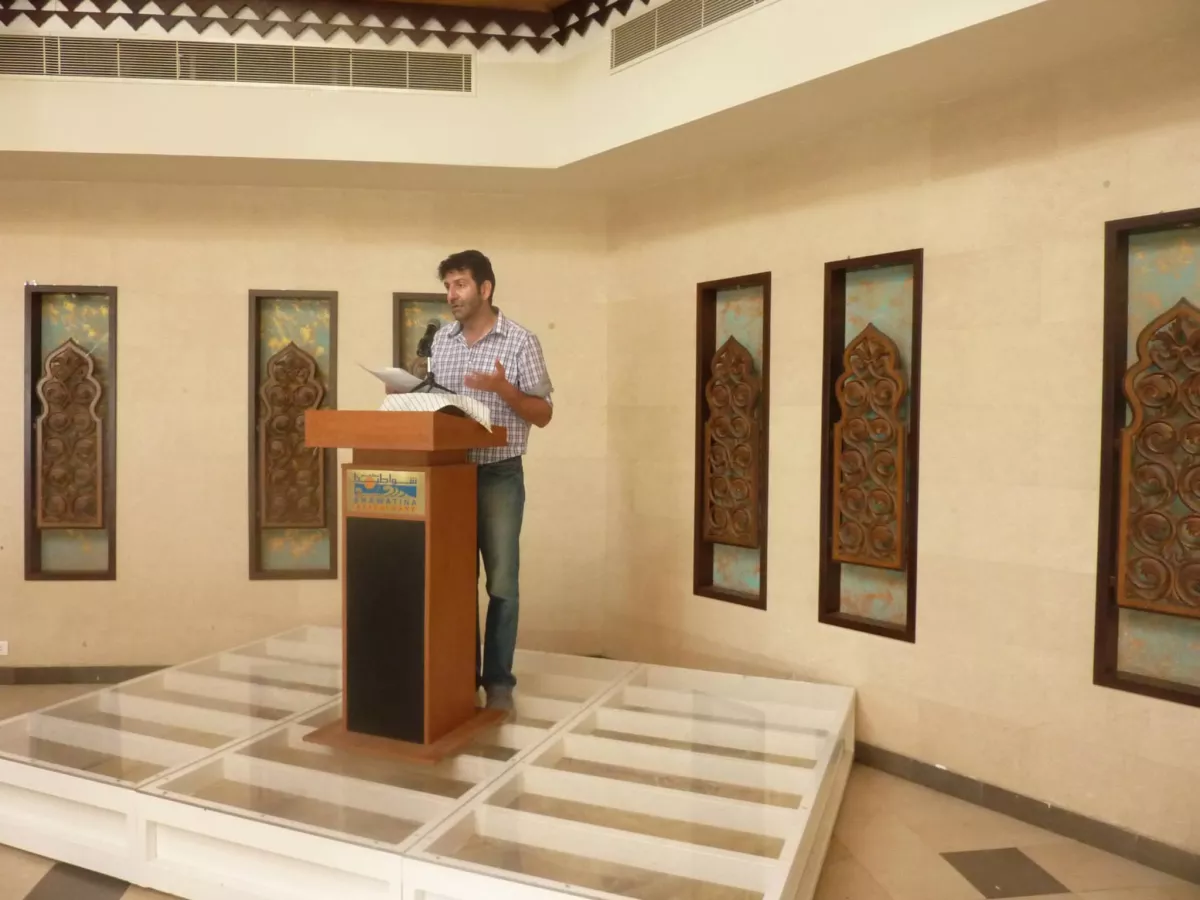
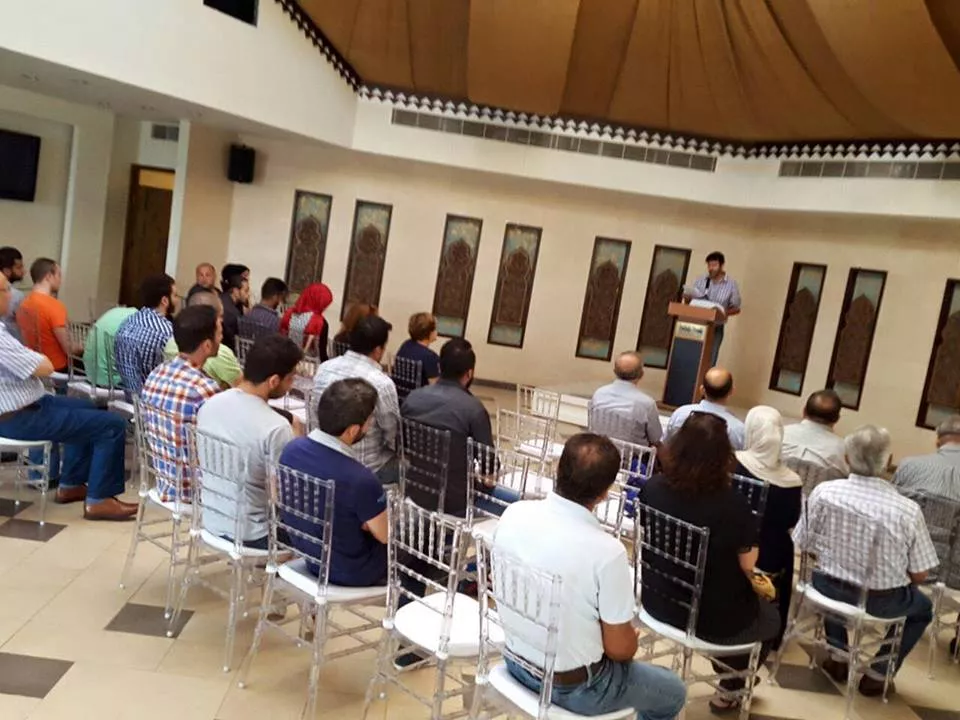
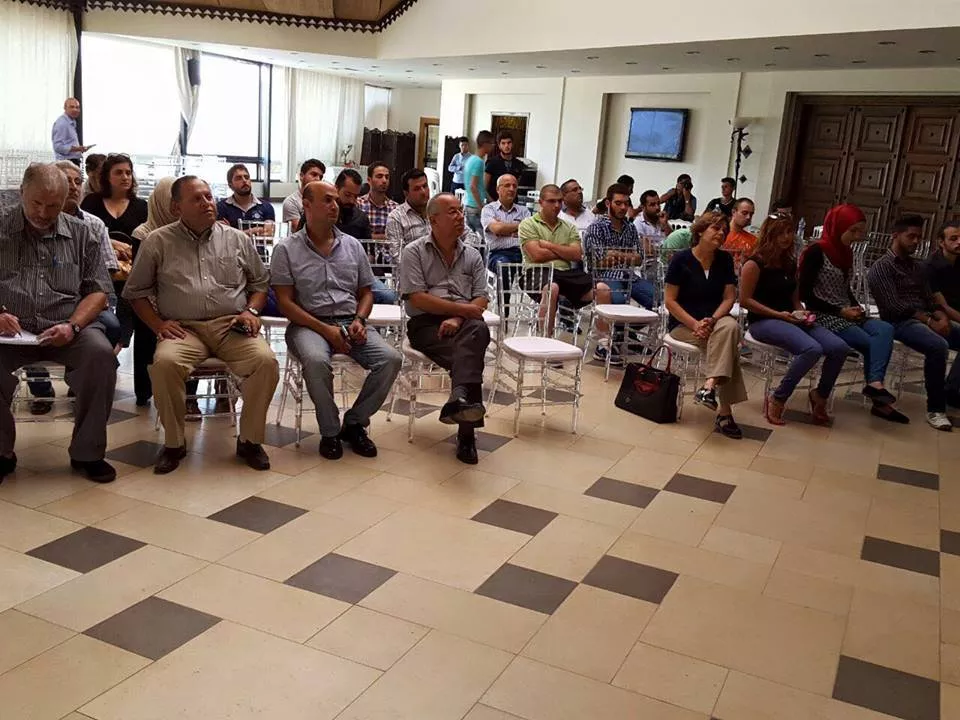
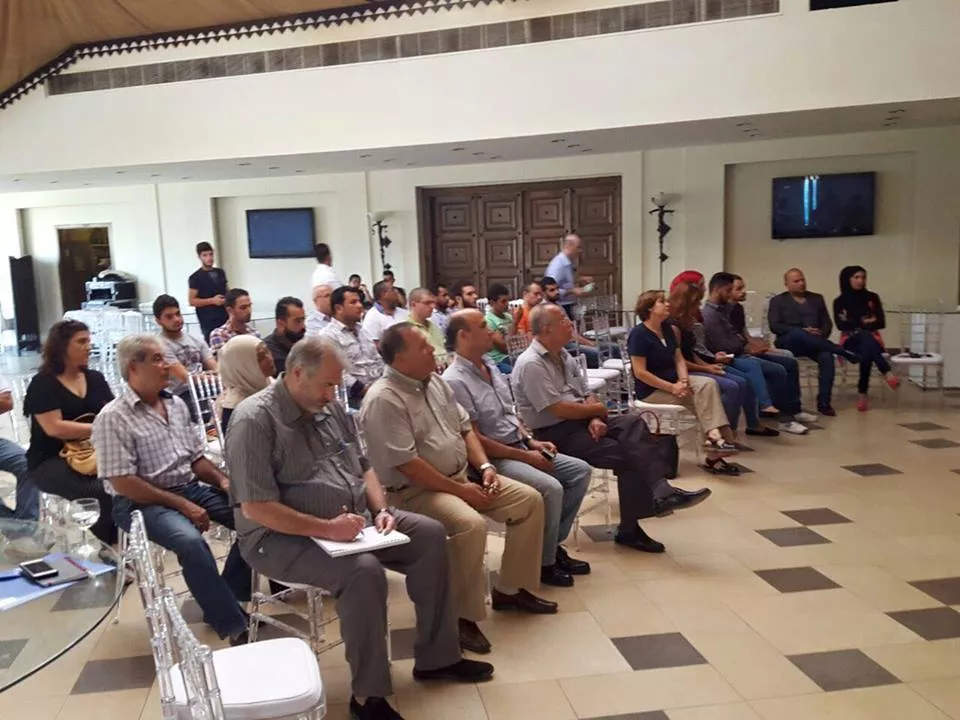
Green Southerners Organisation and the Cultural Youth Forum organized a civil protest meeting rejecting the continuation of the Ras Al-Ain waste mountain and plans to bury waste at the site. The meeting was attended by representatives of the Municipality of Tyre, cultural organisations in the city including the Forum of Thought and Literature and the Tyre Cultural Forum, the Democratic Youth Union, the Lebanese-Palestinian Communication organisation, Al-Wahda Club, Hala Tyre organisation, Al-Wadi Media Group, representatives of labor unions and civic bodies, as well as delegates from news-oriented social media platforms.
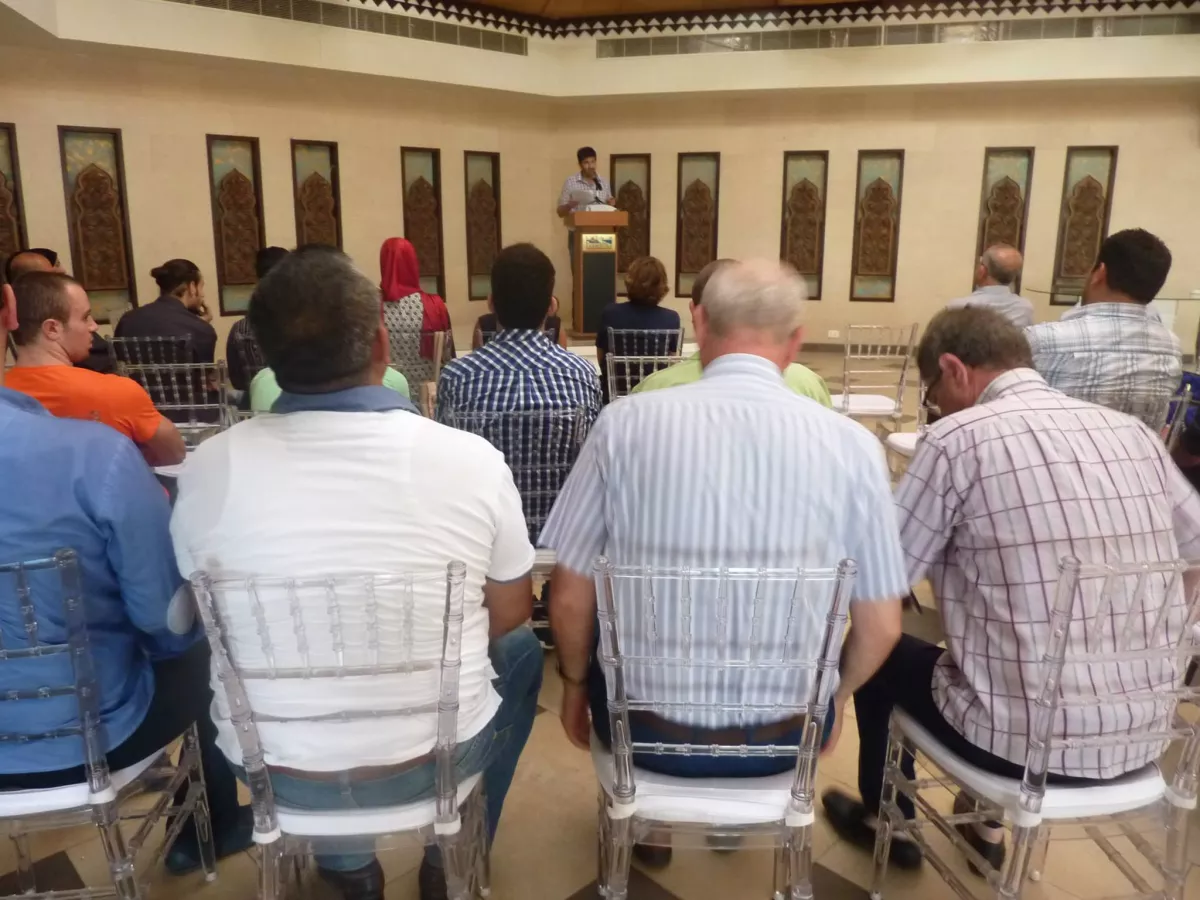
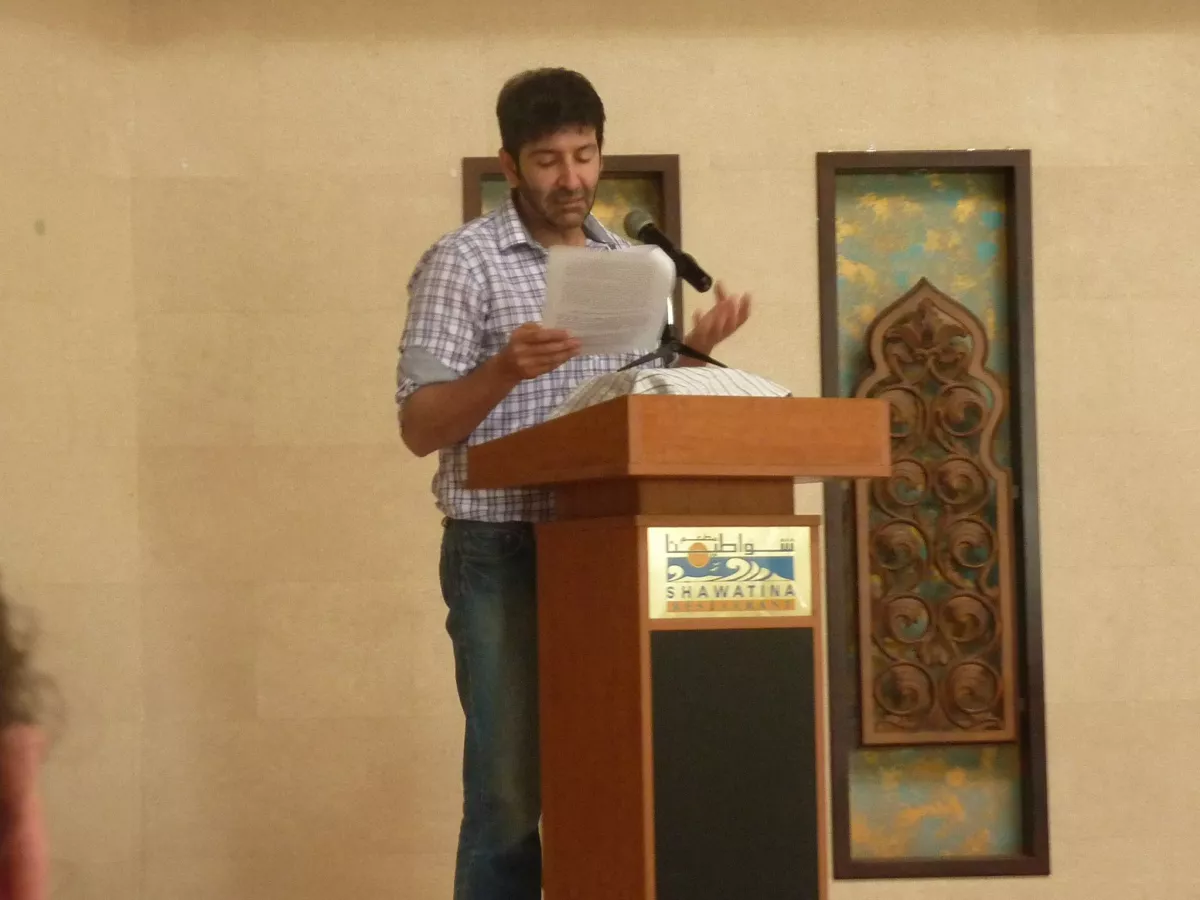
The founder and president of Green Southerners Organisation, Dr. Hisham Younes, delivered an extensive presentation addressing the landfill, its risks, and possible treatment options, highlighting the unique health, environmental, historical, and archaeological characteristics of the Ras Al-Ain site. The full presentation is included below.
This was followed by discussions and interventions. Dr. Ghassan Fran, President of the Forum of Thought and Literature, praised the initiative of Green Southerners and called for unifying efforts and collective action to reach a solution, reviewing previous unsuccessful attempts. Mr. Hassan Ezzedine, director of the public secondary school, emphasized the importance of education and awareness, sharing the school’s experience in waste sorting. Environmental officer at the Municipality of Tyre, engineer Ali Dabouk, reviewed municipal efforts to address the landfill and called for cooperation, noting that the municipality had repeatedly attempted solutions but faced obstacles beyond its control. Dr. Iyad Al-Khalil stressed the need for transparency, civil society participation, and respect for differing opinions as long as the public good remains the goal. Mr. Mohammad Shaalan, head of the Mechanics and Electricity Workers Union in the South, called for joint work between civil organizations and the municipality to secure funding for proper waste treatment.
The meeting concluded with unanimous praise for the Green Southerners initiative and agreement to continue coordination and broaden participation in future meetings.
Green Southerners Position Paper on the Ras Al-Ain Landfill
Civil Protest Meeting – Tyre, 11/08/2015
In light of the worsening conditions at the Ras Al-Ain landfill, which have reached critical levels on health and environmental fronts, and following repeated failures to reach solutions despite public promises, Green Southerners Organisation and the Cultural Youth Forum decided to take action and raise their voices to demand serious and immediate steps to properly treat this catastrophic landfill.
The proposed approach focuses on efficient treatment through waste sorting—acknowledging the complexity given the landfill’s current state—reducing residual waste, and recycling heavy and light materials using environmentally sound technologies. This must occur alongside mandatory implementation of source separation plans by municipalities, which constitutes the true gateway to a sustainable waste solution.
Background
Operations at Ras Al-Ain landfill began in the early 1990s and officially expanded in the latter half of the decade with the leasing of a 14,000 m² plot in Deir Qanoun Ras Al-Ain. Since then, the landfill has expanded vertically and horizontally, encroaching on adjacent properties including the Tyre Coast Nature Reserve, occupying approximately 3,000–4,000 m² of protected land.
This expansion was inevitable given that waste from 26 towns—including five major towns, three refugee camps, and the city of Tyre—was dumped there without any environmental safeguards.
Until 2008, landfill treatment was linked to the Ain Baal Solid Waste Sorting and Recycling Plant, completed with a capacity of 150 tons per day. However, instead of reducing waste, plant residues were dumped back into Ras Al-Ain, worsening conditions. Medical waste from regional hospitals was also illegally dumped, bypassing proper treatment facilities in Abbassieh, further increasing risks.
Health and Environmental Sensitivity
The site contains the Ras Al-Ain drinking water basins—four in Ras Al-Ain and two in Tel Al-Rashidiyeh—which supply Tyre, surrounding villages, and agricultural lands. It also lies at the heart of Tyre’s wetlands and adjacent to the Tyre Coast Nature Reserve, a Ramsar-listed wetland of international importance hosting numerous migratory and resident bird species.
Scientific debate exists regarding the source of these springs, with some experts attributing them to a large underground river passing beneath the site, evidenced by freshwater springs offshore, while others suggest a distant source feeding a vast groundwater reservoir.
Historical and Archaeological Importance
Ras Al-Ain is among the oldest sites of human settlement discovered on the Lebanese coast, dating back to the 5th millennium BC. Archaeologists identify it as part of ancient Tyre (Ushu), whose freshwater springs enabled early human settlement and later urban expansion.
Escalating Risks
The landfill emits toxic gases continuously, including volatile organic compounds (VOCs) associated with cancer, fetal abnormalities, and developmental harm in children, as well as methane, a potent greenhouse gas that increases fire risk.
Leachate containing heavy metals such as chromium and cadmium flows into irrigation canals and agricultural lands, ultimately contaminating the sea, marine life, birds, livestock, and humans.
Rainfall and landfill pressure significantly increase toxic liquid production, heightening the risk of groundwater contamination. In February 2015, the Governor of South Lebanon formally warned of these dangers and called for the landfill’s closure.
Proposed Solutions: No Landfill, No Burial — Proper Treatment and Source Separation
Any proposal involving burial at the site is rejected due to its extreme environmental, hydrological, and historical sensitivity, particularly given its sandy soils and shallow freshwater tables.
Recommended Actions
- Immediate suppression of toxic emissions by covering the landfill with clay.
- Complete isolation of the landfill to prevent leachate leakage.
- Upgrading Ain Baal sorting plant to operate at full capacity.
- Strict enforcement against hospitals illegally dumping medical waste.
- Issuing tenders for advanced waste treatment facilities capable of recycling 60–65% of organic waste.
- Exploring environmentally compliant incineration if sorting proves unfeasible.
- Ensuring transparency and civil society participation in all procurement processes.
- Immediate implementation of waste separation at source by municipalities.
Green Southerners Organisation and the Cultural Youth Forum, alongside civil society organizations and municipalities, commit to monitoring and supporting all transparent and effective efforts to resolve this crisis.
Related Posts
-
 The Shawakeer Case