Oil Spill Response Project on the Beaches of Abbasyeish and Adloun
Oil Spill Response Project on the Beaches of Abbasyeish and Adloun
1. Arrival of the Pollution and Official Mandate
The oil spill reached the Lebanese coastline between 9 and 10 February 2021, when marine currents, waves, and winds pushed compact black petroleum tar balls toward the shore in sizes ranging between 0.5 and 50 cm. The contamination extended from Naqoura in the south to Beirut in the north, affecting both rocky and sandy beaches.
The official response was delayed until 22 February 2021, when the Lebanese government issued mandate No. 295/S, assigning the National Council for Scientific Research (CNRS) to follow up on the event. CNRS released its preliminary report on 6 March, documenting the spread of tar and identifying impacted sites, while recommending urgent environmental actions.
2. Team Documentation and Initial Mobilization
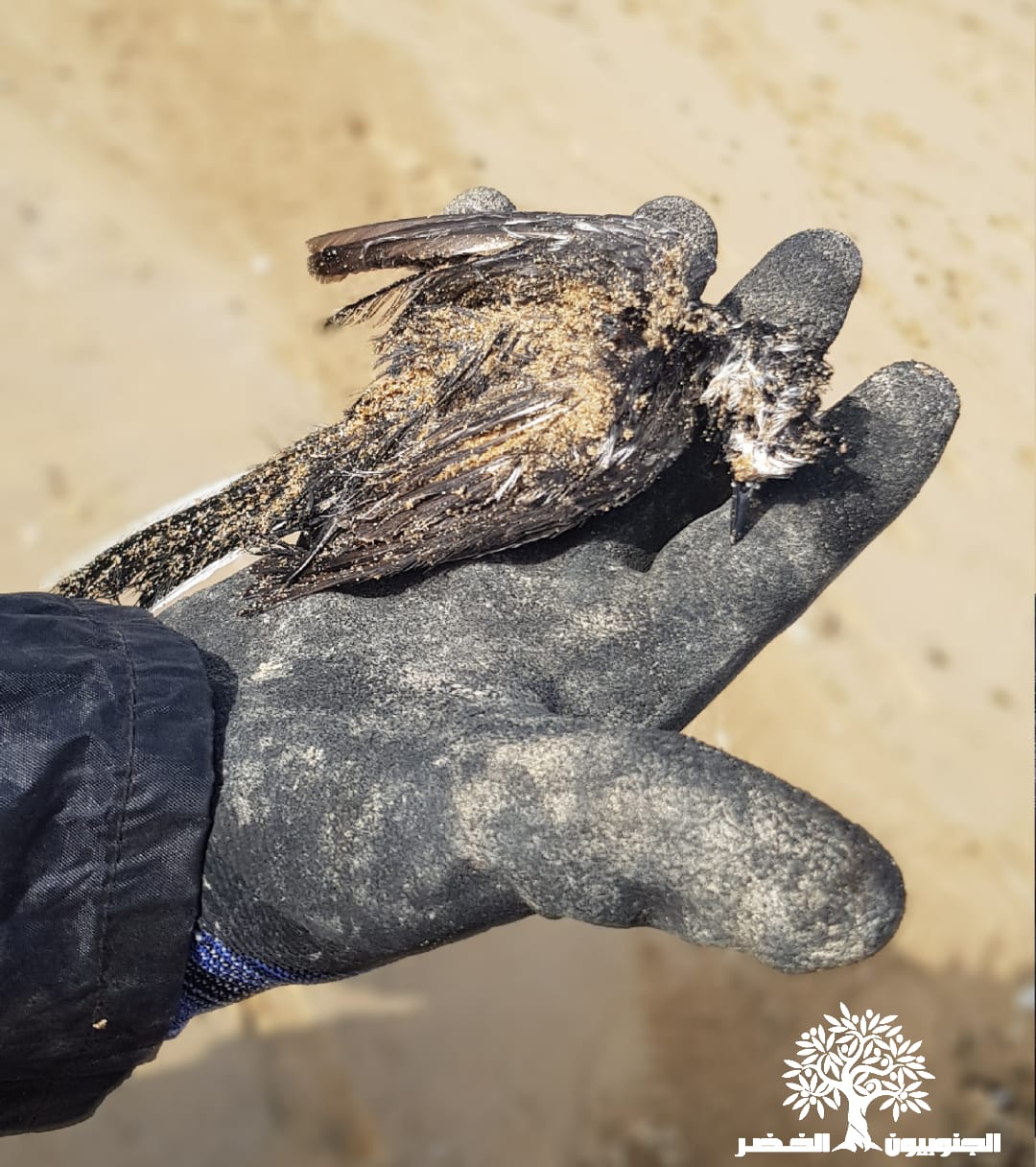
Green Southerners team documented the first appearance of tar on Abbasyeish Beach in mid-February. The material was found on rocks, sandy areas, and shallow waters, posing direct threats to local biodiversity, including:
- Green sea turtle Chelonia mydas
- Loggerhead sea turtle Caretta caretta
- Yellow-legged gull Larus michahellis
- Ladybird beetles Coccinellidae
- Coastal plants such as Cakile maritima and Elymus farctus
Due to the absence of a clear official plan for more than a month and delayed municipal action pending directives from the Ministry of Environment, the risk of further dispersion increased. This prompted the team to establish an emergency response unit, begin immediate manual removal using available tools, and conduct scientific documentation through photographs and GPS mapping.
3. Objective
To remove tar from sensitive areas, prevent further dispersion, protect the shoreline and biodiversity, and minimize impact ahead of the sea turtle nesting season.
4. Field Experience and Quantities Removed
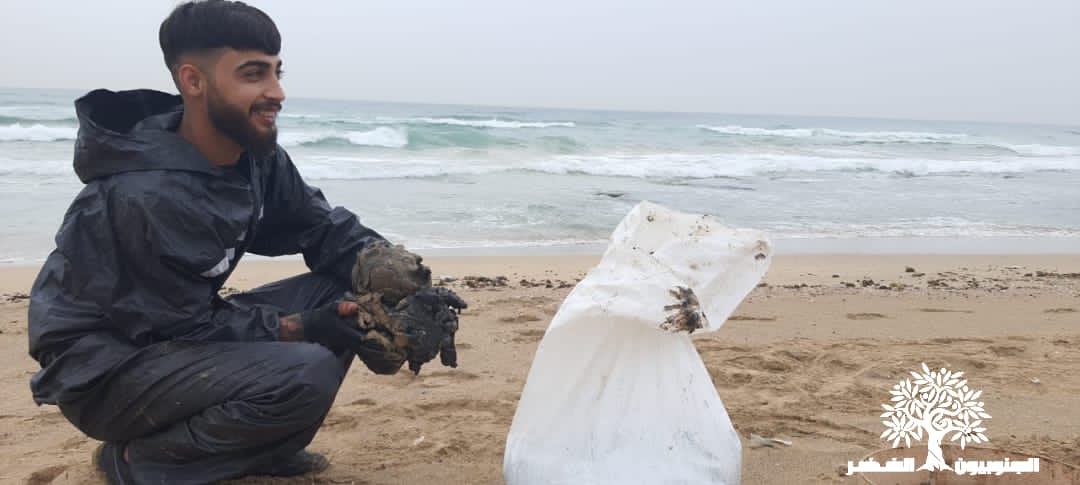
The team conducted removal operations along Abbasyeish and Adloun beaches throughout the intervention period. The extracted quantities were:
- 470 kg from Abbasyeish Beach
- More than 500 kg from Adloun Beach, where tar clusters were significantly larger
This brings the total collected amount to over 970 kg of hardened petroleum tar dispersed among rocks, sand, and tidal pools. The team relied on basic manual tools such as shovels, metal sieves, and thick polyethylene bags, applying careful manual removal techniques suited to sensitive coastal habitats.
5. Duration of Work and Cleanup Efforts
The work extended from 17 February to 15 May 2021, during which 11 major cleanup operations were conducted:
Abbasyeish Beach
- 7 cleanup missions
- 2 missions conducted in partnership with Abbasyeish Municipality
Adloun Beach
- 5 cleanup missions
- 1 mission conducted in cooperation with the Zahrani Municipal Union
6. Implementation Steps
A. Field Assessment
The team examined the tar material and mapped contaminated zones across both beaches. Thick deposits were identified between rocks, on sandy stretches, and in shallow waters. Priority points were set based on environmental sensitivity and the movement patterns of the spill.
B. Team Preparation
Basic protective equipment was provided, including masks, gloves, and shoe covers. Volunteers used simple manual tools such as shovels, metal sieves, and heavy-duty bags. Field groups were organized to ensure consistent coverage of both sites.
C. Tar Treatment and Collection
The team relied on guidance from specialized advisors within the organization and on officially recognized protocols for handling oil spills and tar contamination. Field decisions were made on how to deal with sensitive sites. Large quantities of tar were removed manually despite the sticky nature of the material and its strong adhesion to rocks and tidal surfaces.
D. Environmental Assessment
Specialists warned of long-term contamination of the shoreline and seawater, noting that toxic hydrocarbons remain for extended periods. They highlighted risks of these substances passing through marine species, seabirds, and fish, with the potential for bioaccumulation throughout the food chain, posing ongoing ecological and health threats.
E. Waste Management
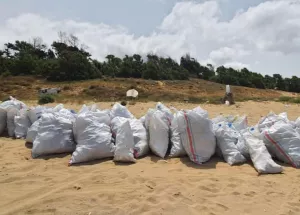
Collected waste was sealed in heavy-duty bags. A designated storage area was established in coordination with Abbasyeish Municipality and the Zahrani Municipal Union to ensure safe containment before transport. The waste was then transferred to appropriate industrial facilities such as asphalt plants or cement kilns. No waste was left on the beach or near residential areas.
7. Challenges
- Delayed official plan
- Lack of municipal guidance
- Natural dispersion by waves and winds
- Limited tools and resources
- Difficulty removing hardened tar from rocks
- Need for specialized intervention in certain hotspots
- Significant logistical pressure on volunteer teams
8. Results
- Removal of over 970 kg of tar
- Protection of sea turtle nesting sites
- Reduction of environmental impact before breeding season
- Creation of a detailed scientific record of affected areas
- Increased public awareness of oil spill hazards
9. Recommendations
- Transport collected waste to facilities with safe thermal treatment capacity
- Equip coastal response teams with appropriate tools
- Establish a national oil spill response plan
- Maintain shoreline monitoring during the nesting season
- Provide specialized support for sensitive ecological areas
-large.webp)


Related Posts
-
 Projects
 -
 Rescue and Rehabilitation
 -
 Rescue and Rehabilitation